Choosing the right house windows affects daylight, ventilation, comfort, security, and energy use. A beautiful window can still perform poorly if it faces harsh afternoon sun or leaks around the frame.
This guide explores ten common window types, including casement, double-hung, sliding, awning, bay, bow, picture, hopper, garden, and specialty designs. Each style has practical strengths. Casement windows can catch passing breezes, while picture windows provide wide views but do not open. Double-hung windows suit traditional homes and allow controlled airflow through two movable sashes. Small details matter.
Professional window installers usually assess frame material, glass performance, drainage, installation quality, and local weather conditions. Homeowners should also consider cleaning access, emergency egress, privacy, and furniture placement. A large bay window may brighten a dark corner, yet it can require stronger structural support and careful flashing.
No ranking is perfect. The best choice depends on the room, climate, budget, and building design. My experience reviewing window options shows that familiar styles are not always the most suitable. A bathroom may benefit from an obscure-glass awning window, while a quiet bedroom may need laminated glass and tighter seals. Look beyond appearance. Reliable manufacturers publish performance ratings, warranties, and installation guidance. Those details help separate a lasting improvement from an expensive visual upgrade.
What Are the Top 10 Types of House Windows?
How House Windows Are Classified by Design and Function
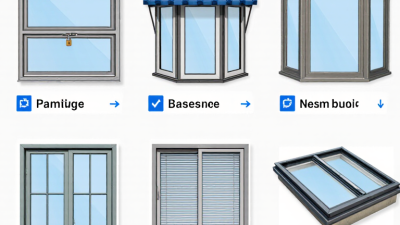
House windows are best classified by how they open, move, or shape interior light. The ten common types include single-hung, double-hung, casement, awning, sliding, picture, bay, bow, hopper, and specialty windows. Single-hung windows have one moving sash, while double-hung windows allow both sashes to move. This difference affects cleaning, airflow, and installation cost.
Casement windows open outward with a side hinge. They can catch cross-breezes effectively. Awning windows hinge at the top and help ventilate rooms during light rain. Sliding windows move horizontally and suit wide openings with limited exterior space. Picture windows remain fixed, offering clear views but no ventilation. Bay windows project outward with angled sections, while bow windows create a softer curved extension. Both can add seating or display space.
Hopper windows open inward from the top and often serve basements. Specialty windows use unusual shapes, such as circles or triangles, for visual character. In practice, function should guide selection more than appearance. I have found that a beautiful window can still disappoint when its opening direction conflicts with furniture or walkways. No classification is perfect. Climate, wall structure, safety needs, and maintenance habits can change the best choice. Check frame strength, glass performance, drainage paths, and hardware quality before deciding. Small details matter.
The ten main types of house windows serve different rooms, climates, and ventilation needs. Single-hung windows open from the bottom, while double-hung windows allow both sashes to move. Casement windows hinge outward and usually seal tightly. Awning windows hinge at the top, protecting ventilation during light rain. Sliding windows move horizontally and suit wide openings. Picture windows remain fixed, offering clear views but no airflow. Bay windows project outward with angled sections. Bow windows create a softer curved projection. Hopper windows tilt inward, making them useful in basements. Garden windows extend outward for plants, although they need careful moisture control.
A practical assessment should begin with orientation, frame condition, and drainage. South- and west-facing glass may need stronger solar-control performance. The U.S. Department of Energy reports that windows can cause 25% to 30% of residential heating and cooling energy use. That figure makes glazing and installation quality as important as window style. The National Fenestration Rating Council also advises comparing U-factor, solar heat gain coefficient, and visible transmittance. A lower U-factor generally improves insulation. However, the best choice is not always the most expensive one. Double-hung windows are convenient, yet their moving seals may require maintenance. Casements can ventilate well, but nearby shrubs may block operation. Bay and bow designs add daylight, but they increase structural and flashing demands. Even experienced renovators can overlook that detail. Each opening deserves a room-specific decision.
What Are the Top 10 Types of House Windows?
Window design affects ventilation, daylight, cleaning, and energy performance. A single-hung window has a fixed upper sash and a lower sash that slides upward. It suits bedrooms and budget-conscious renovations. A double-hung window lets both sashes move, improving airflow when warm air escapes above. It works well in traditional homes and rooms needing safer, controlled ventilation.
A casement window opens outward on side hinges with a crank. Its tight seal suits windy walls and narrow openings. An awning window hinges at the top and opens outward, even during light rain. Place it above sinks or beneath larger windows. A sliding window moves horizontally along a track. It needs little clearance and fits wide, low openings. A picture window stays fixed, providing broad views and strong daylight. It cannot ventilate or serve as an exit.
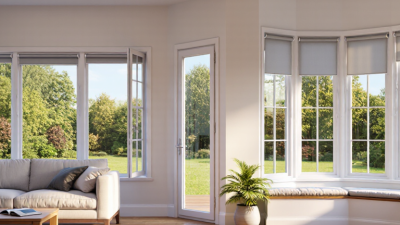
A bay window projects outward with angled side windows and a central section. It adds a reading seat and captures changing light. A bow window uses several curved sections for a softer projection and wider views. A hopper window tilts inward from the top, making it useful in basements and bathrooms. A garden window projects outward with glass on several sides, creating space for herbs. Moisture may collect there, so drainage and ventilation deserve attention. No type is perfect. Cleaning access, emergency egress, wall exposure, and local building requirements can change the best choice. My initial preference may fail if the opening faces harsh sun or frequent storms.
| No. | Window Type | How It Operates | Where It Fits Best | Main Advantages | Important Considerations |
|---|---|---|---|---|---|
| 1 | Single-Hung | The bottom sash moves vertically upward and downward, while the top sash remains fixed. | Bedrooms, living areas, hallways, and other standard wall openings where basic ventilation is needed. | Simple design, generally lower cost, and a compact operating area. | Only one sash opens, so ventilation is more limited than with a double-hung window. |
| 2 | Double-Hung | Both the upper and lower sashes slide vertically, allowing either sash to open. | Traditional and modern homes, especially rooms that benefit from adjustable airflow. | Flexible ventilation, easy cleaning when sashes tilt inward, and a familiar appearance. | The moving parts and counterbalance hardware may require maintenance over time. |
| 3 | Casement | The sash is attached to the frame with side hinges and opens outward, usually using a crank or handle. | Kitchens, bedrooms, living rooms, and narrow wall spaces requiring strong airflow. | Provides broad ventilation and can create a tight seal when closed. | Requires unobstructed exterior clearance and may be unsuitable beside walkways or tight property lines. |
| 4 | Awning | The sash is hinged at the top and opens outward from the bottom, typically with a crank mechanism. | Bathrooms, basements, kitchens, and spaces needing ventilation during light rain. | The outward-opening sash helps shield the opening from some falling rain while permitting airflow. | The projecting sash needs clearance and may not be appropriate above busy paths. |
| 5 | Sliding | One or more sashes glide horizontally along tracks, while the remaining panel stays in place. | Rooms facing patios, decks, walkways, or areas where outward projection is not practical. | Does not swing into or out of the room and is straightforward to operate. | Tracks must remain clean, and only part of the overall window area usually opens. |
| 6 | Picture | A large fixed pane remains sealed in the frame and does not open. | Living rooms, stairwells, great rooms, and scenic exterior walls where daylight and views are priorities. | Offers expansive views, strong daylight, and no operating hardware to maintain. | Provides no natural ventilation, so it is often paired with an operable window. |
| 7 | Bay | A central window projects outward from the wall and is joined by two angled side windows, typically forming a three-sided bay. | Living rooms, dining areas, and front elevations where extra interior space and broad views are desired. | Adds visual dimension, increases daylight, and can create a small seating or display area. | Needs structural support, careful flashing, and sufficient exterior and interior space. |
| 8 | Bow | Several windows are arranged in a smooth, curved projection, creating a broader arc than a typical bay window. | Large living rooms, dining rooms, and exterior walls suited to panoramic views. | Creates a curved architectural feature, expands views, and brings in substantial natural light. | Usually costs more to install and may provide less usable floor space than a deeper bay configuration. |
| 9 | Hopper | The sash is hinged at the bottom and tilts inward from the top for ventilation. | Basements and below-grade rooms where wall space is limited and ventilation is important. | Compact, practical, and capable of creating a relatively tight seal when closed. | The inward-opening sash occupies interior space and may need a compliant emergency-exit design in sleeping areas. |
| 10 | Skylight | A glazed unit is installed in a sloped or flat roof; it may be fixed or designed to open for ventilation. | Attics, lofts, bathrooms, stairwells, and interior rooms with limited exterior wall access. | Introduces daylight from above and an operable version can release warm air. | Requires precise roof flashing, appropriate glazing, and consideration of heat gain and overhead maintenance. |
Note: Window performance depends on the frame material, glazing, installation quality, climate, orientation, and applicable local building requirements.
Choosing among the top ten house window types means balancing daylight, ventilation, and energy performance. Picture windows deliver the most uninterrupted light, but they do not open. Casement and awning windows catch breezes efficiently because their hinged sashes act like small sails. Double-hung and single-hung windows provide familiar ventilation, although the opening area is usually smaller. Sliding windows are easy to operate, but their horizontal meeting rails can reduce airflow. Hopper windows suit basements, while bay and bow windows add daylight and usable interior space. Specialty geometric windows offer character, often at the cost of ventilation.
Energy performance depends heavily on the glass and installation, not only the style. The U.S. Department of Energy reports that windows can account for roughly 25% to 30% of residential heating and cooling energy use. Tight-closing casements often perform well because their compression seals limit air leakage. Fixed picture windows can perform even better, since they have no moving joints. However, a poorly fitted frame can defeat expensive glazing. That detail is easy to miss.
The National Fenestration Rating Council evaluates products through U-factor, solar heat gain coefficient, visible transmittance, and air leakage ratings. Lower U-factor generally means better insulation, while higher visible transmittance means more daylight. In a sunny room, low solar heat gain may reduce summer overheating. In a cold climate, moderate solar gain can help warm the room. My practical experience suggests that the “best” window is rarely universal. A bright south-facing room, a damp bathroom, and a shaded bedroom need different decisions. Ventilation also depends on screens, local wind, and how often occupants actually open the sash.
Choosing among the top 10 house window types requires more than matching a façade. Each option changes daylight, ventilation, cleaning, security, and energy performance. Double-hung windows suit traditional rooms and allow controlled airflow. Casement windows usually seal tightly, while sliding windows need less exterior clearance. Picture, bay, and bow windows enlarge views but may increase heat gain and installation costs. Awning, hopper, specialty, and storm windows solve more specific problems.
The U.S. Department of Energy reports that windows can cause 25–30% of residential heating and cooling energy use. That figure makes glass selection important. Check the U-factor first; lower values generally indicate better insulation. In hot climates, a lower solar heat gain coefficient can reduce unwanted afternoon heat. The National Fenestration Rating Council recommends comparing certified labels, not showroom claims. Look for visible ratings.
Measure the opening carefully. Small errors can create drafts, water intrusion, or expensive trim repairs. On renovation projects, I have seen attractive windows fail because flashing was rushed. Installation matters almost as much as the frame. The U.S. Environmental Protection Agency’s residential window criteria also emphasize climate-specific performance, so one specification cannot suit every region. A shaded south-facing room may need different glass from a windy north-facing bedroom. Think beyond appearance. Window direction, wall insulation, local weather, maintenance ability, and budget should guide the final choice. A cheaper window may become costly after repeated repairs.