Top 10 Types of House Windows for Global Buyers
Choosing house windows is not merely a matter of appearance or purchase price. The right design influences daylight, ventilation, noise control, security, and long-term energy use. For global buyers, climate creates different priorities. A coastal home may need corrosion-resistant frames, while a cold mountain property requires strong insulation and carefully sealed glazing.
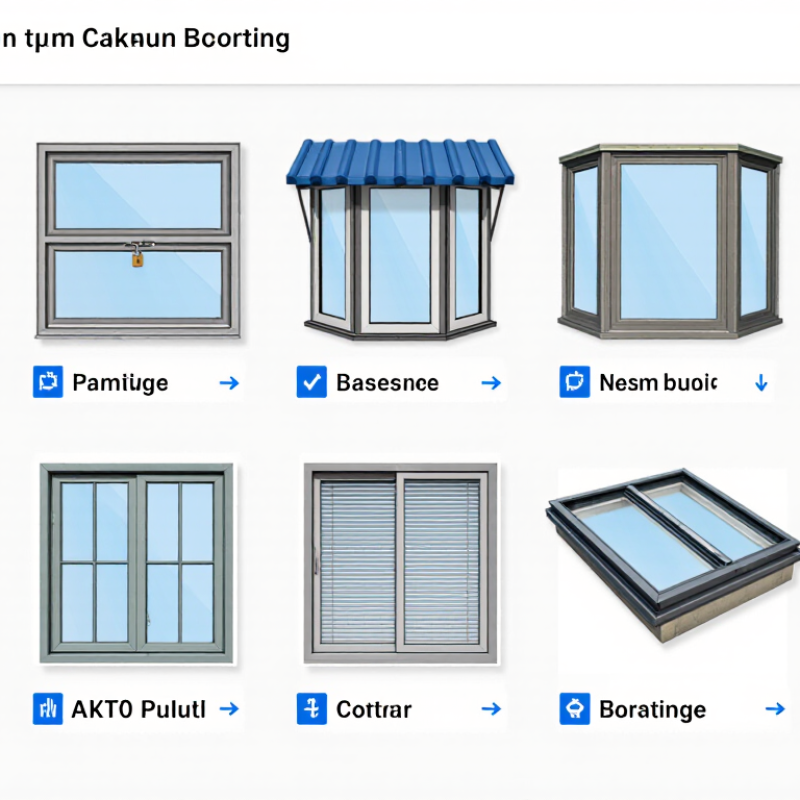
This guide explores the top 10 types of house windows used across residential markets. It considers casement, sliding, double-hung, awning, bay, bow, picture, tilt-and-turn, louvered, and skylight designs. Each type offers practical strengths, but none performs perfectly in every building. A wide picture window can brighten a dark room, yet it may increase summer heat gain. A tilt-and-turn window provides flexible ventilation, although its hardware may require skilled maintenance.
Technical details matter. Buyers should compare U-values, solar heat gain, air leakage, frame materials, glass layers, and warranty conditions. Manufacturer test reports provide useful evidence, but testing methods and energy labels vary between countries. Local building codes, wind exposure, rainfall, and installation practices also affect performance. Expert advice helps prevent expensive mistakes.
Small details matter.
A poorly fitted frame can waste the benefits of premium glass. Certified installers should check level, drainage, flashing, and perimeter sealing. This guide also acknowledges a common weakness: product comparisons cannot predict every household’s experience. Occupants use windows differently, and real performance may differ from showroom claims. The best choice balances climate, budget, design, maintenance, and dependable installation.
Window Basics: Materials, Opening Styles, and Key Performance Terms
Top 10 Types of House Windows for Global Buyers
Window basics matter more than appearance alone. Common choices include fixed, single-hung, double-hung, casement, awning, sliding, hopper, bay, bow, and roof windows. Each opening style controls ventilation, cleaning access, daylight, and furniture placement. Casement windows usually provide strong airflow, while fixed windows offer clear views but no ventilation. Sliding windows save space, though their seals may need careful inspection.
Frame materials also affect comfort and maintenance. uPVC resists moisture and usually needs little upkeep. Aluminum allows slim profiles but can transfer heat without a thermal break. Wood feels warm and natural, yet it requires regular protection in wet climates. Composite frames balance several benefits, but quality varies. Look beyond labels. Check double or triple glazing, low-emissivity glass, spacer quality, and frame connections.
Tips: Compare U-value, solar heat gain coefficient, air leakage, water resistance, wind-load rating, and sound reduction. Lower U-values generally mean better insulation. A lower solar gain value can help hot regions. Ask for independent test reports and installation instructions. Local building rules still matter. I once thought the most advanced glass solved everything; it did not. Poor installation can leave cold edges, rattling sashes, or rain marks. The frame, glass, hardware, and installer must work as one system.
Casement, Awning, and Sliding Windows for Everyday Ventilation
Casement, Awning, and Sliding Windows for Everyday Ventilation
Casement windows open outward with a side hinge, directing fresh air into kitchens, bedrooms, and narrow balconies. Their wide opening helps clear cooking odors quickly. Awning windows hinge at the top and open slightly during light rain. This makes them practical for humid coastal homes. Sliding windows move horizontally, requiring less exterior space. They suit apartments, compact rooms, and areas beside walkways. In my experience, smooth hardware matters as much as glass quality. A beautiful window becomes frustrating when the handle feels weak.
Tips: Check the room’s airflow path before choosing a style. A casement window works best when opposite openings support cross-ventilation. For awning windows, inspect the slope and drainage outside the wall. Sliding windows should have removable tracks for easy cleaning. Measure the opening twice. Small errors become expensive later.
Climate and daily habits should guide the final decision. Casement windows can catch stronger breezes, but exposed hinges need regular inspection. Awning windows offer controlled ventilation, though their smaller opening may feel insufficient in still weather. Sliding units are simple to operate, but only one panel usually opens. This can reduce airflow. Local building requirements may also affect opening direction, emergency access, and safety restrictors. A perfect window is rarely perfect. The best choice balances ventilation, weather exposure, maintenance, and the room’s actual use.
Single-Hung, Double-Hung, and Tilt-and-Turn Window Designs
Top 10 Types of House Windows for Global Buyers
Single-hung, double-hung, and tilt-and-turn windows suit different homes, climates, and daily routines. A single-hung window has one movable sash, usually the lower section. It costs less and offers a simple, familiar operation. However, cleaning the outside upper glass can be difficult on taller floors. Double-hung windows allow both sashes to move. This improves cross-ventilation, especially when warm air leaves through the upper opening.
Double-hung designs also support easier indoor cleaning when both sashes tilt inward. Check the balance hardware carefully. Poor hardware can make a large sash feel heavy after repeated use. Tilt-and-turn windows work differently. The sash tilts inward for gentle ventilation, then turns inward for a wider opening. This combination is useful in apartments, windy regions, and homes requiring controlled airflow. The inward movement also makes exterior glass accessible from inside.
Local conditions should guide the final choice. In humid areas, drainage paths and corrosion-resistant hardware deserve close attention. In cold climates, inspect the frame, seals, and glazing specification, not just the window style. Safety requirements may also limit opening sizes, especially in bedrooms and upper levels. Confirm local building rules before ordering. A practical mistake is choosing a design from a showroom without testing its handle height, opening force, and screen arrangement. Small details matter. Even an excellent window can disappoint when installation tolerances, wall depth, or maintenance access are overlooked.
Picture, Bay, Bow, and Skylight Windows for Light and Space
Picture, bay, bow, and skylight windows can reshape a room before furniture arrives. Picture windows provide wide, uninterrupted views and strong daylight. They suit living rooms, coastal homes, and spaces facing gardens. However, they do not open for ventilation.
Bay windows project outward from the wall. They create a reading seat, dining nook, or deeper visual space. Bow windows use several narrower panels and produce a softer curve. Their larger glass area may increase heat gain and cooling demand. The U.S. Department of Energy estimates that windows can account for 25–30% of residential heating and cooling energy use. Low-emissivity glazing, insulated frames, and external shading deserve serious attention.
Skylights bring light from above, often reaching deeper into compact rooms. The International Energy Agency reports that buildings represent about 30% of global final energy consumption. Window selection therefore affects comfort and energy performance, not only appearance. A skylight facing harsh afternoon sun may create glare and overheating. A north-facing unit can deliver gentler light in many regions, but local climate remains decisive.
Measure twice. Then question the design.
Buyers should compare U-value, solar heat gain coefficient, visible transmittance, air leakage, and installation quality. These figures come from recognized testing standards, not showroom impressions. Bay and bow structures also need sound roof integration and drainage details. A perfect window does not exist. The best choice balances daylight, ventilation, privacy, weather exposure, and long-term maintenance.
Top 10 Types of House Windows for Global Buyers - Picture, Bay, Bow, and Skylight Windows for Light and Space
Representative glazed area calculated from commonly used nominal example dimensions. Actual window sizes vary by region, building codes, and project requirements.
Picture, bay, and bow windows typically provide the largest glazed areas for views and daylight. Skylights add overhead light, while awning, hopper, and other operable windows are often selected for ventilation and compact installations.
How Global Buyers Compare Energy Ratings, Security, Costs, and Maintenance
Global buyers compare window types by performance, not appearance alone. Casement, tilt-and-turn, awning, sliding, fixed, double-hung, bay, hopper, louvered, and picture windows each balance ventilation, sealing, and upkeep differently. The U.S. Department of Energy reports that windows can account for about 25% of residential heating and cooling energy use. That makes U-factor and solar heat gain coefficient important starting points. Lower U-factor usually means better insulation, while suitable solar control depends on climate and building orientation.
Security also needs practical checking. Buyers should examine multi-point locks, laminated glazing, frame strength, and installation quality. European resistance testing under EN 1627 can provide useful comparison, but ratings do not replace local building requirements. A fixed window often reduces moving-part maintenance, while sliding tracks collect dust and moisture. Tilt-and-turn systems offer controlled ventilation, though their hardware may cost more to repair.
Cost comparisons should include transport, fitting, drainage details, insect screens, and future seal replacement. The National Fenestration Rating Council explains that independently verified ratings improve product-to-product comparisons, yet figures can vary with glass packages and frame materials. My comparison is not perfect. Climate, labor prices, and cleaning habits change the real result. A low purchase price may become expensive after repeated adjustments. Look closely at the corners. Condensation, stiff handles, and damaged seals are small clues, but they reveal long-term maintenance risks.