Top 10 Types of Windows for Your House to Buy

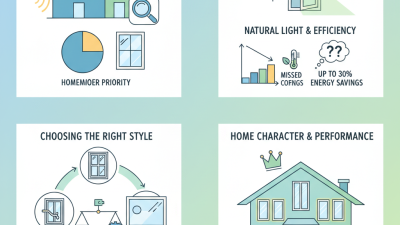
Choosing windows for your house is not merely a style decision. It affects daylight, ventilation, security, maintenance, and monthly energy costs. The U.S. Department of Energy reports that windows can account for approximately 25%–30% of residential heating and cooling energy use. That figure makes the right choice more important than a simple preference for white frames or large glass.

This guide explores the top 10 types of windows for your house, including double-hung, casement, sliding, awning, bay, bow, picture, hopper, garden, and specialty designs. Each type behaves differently in a real room. A south-facing picture window may brighten a dark living area, while a casement window can direct a noticeable breeze across a kitchen. In contrast, a decorative bay window may require stronger structural support and more installation planning.

NFRC performance labels provide useful comparisons for U-factor, solar heat gain coefficient, visible transmittance, and air leakage. ENERGY STAR guidance also emphasizes climate-specific window selection rather than universal recommendations. No window wins everywhere. A low U-factor may help in cold regions, but excessive solar gain can create uncomfortable heat in warmer climates. That detail is easy to overlook.

This overview uses practical installation considerations and established energy-efficiency guidance. Still, product performance depends on framing, glass packages, orientation, and workmanship. Even the best-rated window can disappoint when flashing is poor or measurements are careless. Consider this a starting point, not a substitute for a qualified local assessment.

Top 10 Types of Windows for Your House to Buy

Window Types by Opening Style and Design Purpose

Top 10 Types of Windows for Your House to Buy

Window types become easier to compare when grouped by opening style and design purpose. Casement windows open outward with a crank, offering strong ventilation and clear views. Awning windows hinge at the top, so they can vent during light rain. Double-hung windows have two movable sashes, making cleaning and airflow more convenient. Single-hung windows open from the bottom and usually require less hardware. Sliding windows move horizontally and suit wide walls or rooms with limited exterior space.

Picture windows remain fixed, creating a broad view without ventilation. They work well beside operable windows in living rooms. Bay windows project outward with three or more sections, adding seating space and daylight. Bow windows curve gently with several panels. Their shape feels softer, but installation can cost more. Hopper windows hinge inward from the top and suit basements, bathrooms, or compact openings. Tilt-and-turn windows can tilt for ventilation or swing inward for cleaning and emergency access.

In my experience, opening direction matters as much as appearance. An outward-opening window may conflict with a narrow walkway or exterior shutter. A deep sill can also interfere with furniture placement. Check the wall structure, drainage, cleaning access, and local safety requirements before ordering. Measure twice. I once underestimated trim depth, and the interior finish looked cramped. Energy performance depends on glazing, frame material, seals, and installation quality, not window style alone. A beautiful design can still disappoint when it opens into a tree or receives unwanted afternoon heat.

Single-Hung and Double-Hung Windows for Traditional Homes

Top 10 Types of Windows for Your House to Buy: Single-Hung and Double-Hung Windows for Traditional Homes

Single-hung and double-hung windows suit traditional homes because their vertical proportions match older architectural lines. A single-hung unit keeps the upper sash fixed while the lower sash moves. A double-hung unit allows both sashes to move. That difference affects ventilation, cleaning, and cost.

The U.S. Department of Energy’s Energy Saver guidance estimates that windows influence about 25% to 30% of residential heating and cooling energy use. Air leakage matters. A loose sash can make a quiet bedroom feel cold near the sill. Choose a low U-factor for colder climates, and check the solar heat gain coefficient before ordering. The National Fenestration Rating Council identifies these values on standardized performance labels.

Double-hung windows offer stronger cross-ventilation, especially in tall rooms with openings on opposite walls. Their tilt-in sashes also make exterior glass easier to clean from indoors. Single-hung windows usually have fewer moving parts, which can reduce maintenance concerns. They may also fit tighter budgets.

The simple choice is not always simple. In a 1920s house, an overly wide replacement window can weaken the original character. Measure the rough opening carefully. Check trim depth, sill slope, and storm-window clearance. I would not assume double-hung is automatically better; a well-fitted single-hung window can outperform a poorly installed premium unit. Bears checking twice.

Casement, Awning, and Hopper Windows for Natural Ventilation

Casement, awning, and hopper windows deserve attention when ventilation matters. Their hinged sashes create a direct airflow path. Casement windows usually catch cross-breezes from side elevations. Awning windows hinge at the top, allowing ventilation during light rain. Hopper windows hinge at the bottom and suit basements, bathrooms, and compact rooms. Each option has limits. Wind direction, insect screens, security, and egress requirements still affect performance.

The U.S. Department of Energy reports that windows can account for 25% to 30% of residential heating and cooling energy use. This figure concerns heat transfer, not ventilation alone. Still, it shows why window selection deserves careful measurement. Pair operable windows on opposite walls when possible. A high awning can release warm air. A lower casement can supply replacement air. Hopper windows may improve basement airflow, although their smaller opening can restrict circulation. Airflow is not magic.

When comparing products, check opening area, U-factor, solar heat gain coefficient, and air-leakage ratings. The National Fenestration Rating Council explains that U-factor measures heat flow, while SHGC measures solar heat gain. Local climate should guide the balance. The Department of Energy also recommends weatherstripping and low-emissivity glazing where appropriate. One common mistake is choosing the largest operable window without checking hinges, screens, cleaning access, or emergency escape dimensions. A modest casement may ventilate better than a huge, poorly positioned unit. Recheck the plan at noon and after sunset.

Sliding, Picture, Bay, and Bow Windows for Views and Space

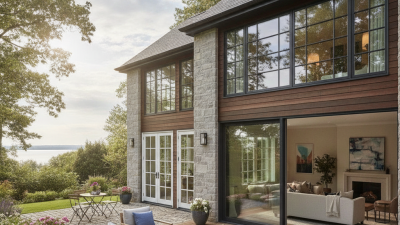
Sliding, picture, bay, and bow windows can change how a room feels. Sliding windows work well in compact spaces because their sashes move horizontally. They provide ventilation without needing outdoor clearance. Picture windows offer wide, uninterrupted views, especially beside a garden or open landscape. However, they do not open for airflow. Bay windows project outward with angled sections, creating space for a reading seat or small table. Bow windows use several curved sections and create a softer, wider view.

The best choice depends on more than appearance. Measure wall space, furniture placement, sunlight, and the direction of prevailing winds. A professional installer should also check structural support, drainage, frame alignment, and local building requirements. Energy-efficient glazing can reduce heat gain near sunny picture windows. Still, highly insulated glass may cost more than expected. A beautiful bay window can also feel crowded if the projection is poorly planned. I have seen homeowners underestimate that detail.

Tips: Sit near the proposed window location at different times of day. Notice glare, privacy, and outdoor noise. Use cardboard outlines to test bay or bow dimensions before ordering. Check whether sliding tracks remain easy to clean. For picture windows, consider exterior shading because large glass areas can warm a room quickly. And do not choose a window style only from a showroom display; your home’s wall, climate, and daily habits matter more.

Choosing the Right Window Materials, Glass, and Energy Features

Top 10 Types of Windows for Your House to Buy

Choosing the right window involves more than style and opening direction. Frame material affects durability, maintenance, insulation, and comfort. Vinyl frames resist moisture and usually need little upkeep. Wood provides warmth and can improve traditional interiors, but it needs regular protection. Fiberglass handles temperature changes well and feels structurally solid. Aluminum is slim and strong, yet it can transfer heat unless it includes a thermal break. No frame is perfect.

Glass deserves equal attention. Double-pane units suit many moderate climates, while triple-pane glass offers better insulation in colder regions. Low-emissivity coatings help reduce heat loss during winter and solar gain during summer. Inert gas between panes can improve performance, but poor seals eventually reduce that benefit. Warm-edge spacers may also limit condensation around the glass. Small details matter.

Check the U-factor, solar heat gain coefficient, and air leakage rating before buying. A lower U-factor generally means better insulation. A suitable SHGC depends on sun exposure, climate, and room orientation. South- or west-facing windows may need stronger solar control.

Installation quality matters just as much as the product. Even an excellent window can leak through an uneven opening or weak seal. I have seen homeowners focus on glass ratings while overlooking flashing and drainage. That mistake is easy to repeat. Local building requirements and a qualified installer should guide the final choice.