How to Choose the Best House Windows?

Choosing the best house windows is not simply a matter of selecting the prettiest frame. It is an energy, comfort, and installation decision. The U.S. Department of Energy’s Energy Saver guidance reports that windows can represent 25–30% of residential heating and cooling energy use. That figure makes a cold glass surface more than a design detail. It can become a noticeable draft beside a sofa, heat near a sunny desk, or condensation on a winter morning.

The perfect window does not exist. Climate, orientation, wall construction, budget, and maintenance needs all change the answer. A south-facing window may need a different solar heat gain coefficient than a shaded north-facing opening. NFRC labeling helps buyers compare U-factor, solar heat gain coefficient, visible transmittance, and air leakage through standardized ratings. ENERGY STAR guidance adds useful regional recommendations, although labels alone cannot rescue poor installation. Even an excellent unit may underperform when flashing, shimming, or air sealing is neglected.

Building scientist Joseph Lstiburek captures the issue plainly: “Windows are holes in walls.” His observation sounds severe, but it is practical. Every opening interrupts insulation and weather protection. Therefore, this guide examines frame materials, glazing packages, low-emissivity coatings, ventilation, security, and installer quality. It also questions a common assumption: higher price does not automatically mean better performance. A modest double-pane window, correctly selected and installed, can outperform an expensive product chosen without regard to climate. House windows should earn their place through measured performance, not showroom promises.

How to Choose the Best House Windows?

Key Factors in Choosing House Windows

Choosing house windows starts with a room’s actual needs, not just showroom appearance. In my renovation work, I compare each opening’s direction, wind exposure, moisture, and daily use. South-facing glass may brighten a room, while west-facing glass can create uncomfortable afternoon heat. Measure each opening twice. Small errors can complicate installation. Consider ventilation, too. A kitchen window that opens easily is more useful than a decorative unit that rarely moves.

Energy performance deserves careful reading. Look for published U-factor, solar heat gain coefficient, air-leakage data, and visible transmittance. A lower U-factor generally means better insulation, but climate changes the best balance. In a cold area, insulated glazing can reduce drafts near a sofa. In a hot, sunny area, controlled solar gain may matter more. Frame material affects maintenance, strength, and thermal performance. Moisture-prone rooms need finishes and seals that tolerate repeated humidity. Not every window needs to open.

Installation quality can decide whether good windows perform well. Ask for a written scope covering flashing, shimming, insulation, drainage, and cleanup. Verify that the installer follows local building requirements and published instructions. Check locks, hinges, screens, and emergency escape sizes before approval. I once focused too much on glass ratings and overlooked exterior water management. That mistake changed my checklist. Budget for curtains, trim repairs, and future seal replacement. Listen to the room.

How to Choose the Best House Windows? - Key Factors in Choosing House Windows

A practical comparison of the main factors that affect window performance, comfort, cost, and long-term value.

Selection Factor What to Check Useful Performance Guide Best Choice When Practical Note
Climate and Orientation Local heating and cooling needs, window direction, seasonal sunlight, and prevailing wind. Cold climates generally benefit from a lower U-factor; hot, sunny climates often benefit from a lower SHGC on sun-exposed elevations. You want to reduce energy loss and improve room comfort throughout the year. Evaluate each elevation separately; one glass specification may not suit every side of the house.
Energy Efficiency U-factor, SHGC, visible transmittance, air leakage, frame material, and installation quality. Lower U-factor means better insulation. Lower SHGC reduces solar heat gain. Lower air-leakage values indicate a tighter window. Energy bills, drafts, overheating, or uneven indoor temperatures are concerns. Compare products using independently verified ratings and confirm that values apply to the complete window unit.
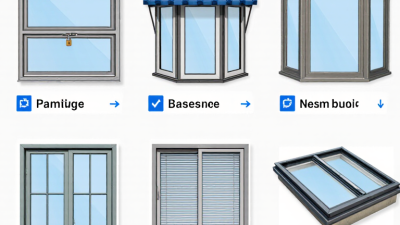
Window Style Opening method, ventilation needs, cleaning access, available space, and emergency-exit requirements. Casement and awning windows usually provide strong ventilation and compression-seal performance. Fixed windows typically offer the lowest air leakage. You need a balance of airflow, security, maintenance, and usable interior space. Check local egress rules for bedrooms and other sleeping areas before selecting a non-opening or restricted-opening design.
Glazing and Glass Single, double, or triple glazing; low-emissivity coating; gas fill; laminated or tempered glass. Double glazing is common for general efficiency. Triple glazing can improve insulation and interior surface temperature in colder conditions. You need better thermal comfort, reduced condensation, or improved sound control. Glass upgrades should be matched to climate and orientation; more panes are not automatically better for every home.
Frame Material Thermal performance, moisture resistance, structural strength, appearance, and maintenance requirements. Vinyl and fiberglass generally require little maintenance. Wood offers a traditional appearance but needs regular protection. Metal frames may require thermal breaks. You have specific priorities for durability, aesthetics, upkeep, or budget. Judge the whole assembly, including frame, sash, spacers, and seals, rather than the frame material alone.
Noise Reduction Road traffic, aircraft, neighborhood activity, glass thickness, air gaps, and frame sealing. Higher STC or OITC ratings generally indicate better sound reduction; OITC is more relevant to outdoor traffic noise. The home is near a busy road, rail line, airport, or other persistent noise source. Acoustic performance depends on the entire wall assembly, including vents, doors, and installation gaps.
Safety and Security Lock design, laminated glass options, impact resistance, opening limitations, and child-safety hardware. Laminated glass remains held together after cracking. Tempered glass breaks into smaller granular pieces rather than large sharp shards. Windows are near doors, on lower floors, in hurricane-prone areas, or in homes with children. Verify required impact, glazing, and emergency-egress standards with local building authorities.
Condensation Control Indoor humidity, edge-of-glass temperature, ventilation, drainage, and thermal bridging. Better-insulated glazing and warm-edge spacers can raise interior glass temperatures and reduce condensation risk. The home has cold winters, high indoor humidity, or a history of wet window frames. Windows cannot compensate for excessive indoor humidity or poor ventilation; both should be addressed.
Installation Quality Opening measurements, flashing, sill drainage, air sealing, insulation, shimming, and exterior water management. A correctly installed average window can outperform a high-performance window that is poorly fitted or inadequately sealed. You are replacing windows in an existing home or changing the opening size. Use a qualified installer and request a written scope covering water, air, and insulation details.
Cost and Life-Cycle Value Purchase price, installation, maintenance, expected service life, energy savings, and repairability. A higher initial price may be justified when it provides meaningful improvements in insulation, durability, comfort, or maintenance. You plan to remain in the home for several years or want to minimize future replacement costs. Compare total installed cost and expected service needs rather than judging products by unit price alone.
Warranty and Documentation Coverage for glass, frame, hardware, finish, installation, transferability, and maintenance obligations. Clear written terms should define exclusions, claim procedures, labor coverage, and the period of protection. You want predictable ownership costs and a clear remedy if defects occur. Keep invoices, performance labels, installation records, and care instructions for future claims or resale.

Key rating definitions: U-factor measures heat flow through a window, so lower values indicate better insulation. SHGC indicates how much solar heat enters through the glazing, with lower values admitting less solar heat. Visible transmittance describes the amount of daylight passing through the window. Air leakage measures the amount of air passing through a window assembly under a specified pressure difference.

Understanding Window Materials and Construction

How to Choose the Best House Windows?

Understanding Window Materials and Construction

Choosing windows starts with the frame, not the glass alone. Vinyl frames resist moisture and require little maintenance. Wood offers warmth, but exposed surfaces need regular sealing. Aluminum is strong and slim, though it can transfer heat without a thermal break. Fiberglass handles temperature changes well, yet availability and cost may limit it. No material is perfect. That is worth remembering.

Construction details often decide indoor comfort. Look for double or triple glazing, low-emissivity coatings, and insulated spacers. These features reduce heat transfer and interior condensation. Check air-leakage, water-resistance, and structural ratings on the performance label. A well-built window can still fail when installed poorly. The opening should be square, flashing should remain continuous, and the frame must be securely fastened. In renovation work, small gaps often create cold drafts near expensive glass. This detail is easy to underestimate.

Tips: Match the material to your climate and maintenance habits. Compare whole-window performance, not one impressive rating. Ask how the sill will drain water. Inspect corner joints and weather seals before buying. If a sample feels flexible or operates unevenly, pause. It may indicate weak construction, although a showroom test cannot reveal everything.

Matching Window Styles to Room Needs

How to Choose the Best House Windows?

Matching window styles to each room can improve comfort, daylight, ventilation, and energy performance. A south-facing living room may benefit from wide picture windows, especially when the view matters. However, large glass can create afternoon heat, so exterior shading deserves equal attention.

Casement windows suit kitchens and bedrooms because they open widely for fresh air. Awning windows can work well above sinks or counters, since they allow ventilation during light rain. For bathrooms, privacy glass and smaller openings offer better control.

In a quiet study, double-hung windows provide adjustable airflow without dominating the wall. Sliding windows save space, but their ventilation area is often limited. I once assumed a larger window was always better. It was not; glare made the room uncomfortable.

Tips: Match the opening style to daily movement. Measure furniture clearance, handle height, and cleaning access before ordering. Check local energy requirements and ask a qualified installer about frame materials, glass coatings, drainage, and wall conditions. A window can look excellent in a showroom yet perform poorly when installed unevenly. Keep that possibility in mind. Also consider each room’s exposure, humidity, and noise level. A north-facing bedroom may need more daylight, while a street-facing office may need stronger sound control. Preferences matter, but practical details usually decide whether the window remains useful for years.

Comparing Energy Efficiency, Glass, and Insulation

How to Choose the Best House Windows?

Energy efficiency starts with the whole window, not the glass alone. A low U-factor means better resistance to indoor heat loss. A suitable solar heat gain coefficient can reduce summer overheating. In cold climates, moderate solar gain may warm sunlit rooms. In hot climates, lower solar gain often works better. Local weather matters.

Double glazing suits many homes, while triple glazing offers stronger insulation in severe climates. Low-emissivity coatings help reflect heat without blocking normal daylight. Gas-filled spaces can improve thermal performance. Warm-edge spacers reduce heat transfer around the glass perimeter. However, specifications can look impressive on paper. Poor installation may cancel much of that benefit.

During a careful inspection, check the frame, seals, and opening method. A well-insulated frame should feel stable, not cold or flimsy. Look for even gaps around the sash. Air leaks often appear near corners and locking points. Condensation between panes signals a failed seal. Condensation indoors may indicate high humidity or weak ventilation. It is easy to blame the window too quickly. I once focused mainly on glazing and overlooked a poorly sealed frame. That shortcut was too simple. Ask for verified performance data and installation details. A slightly less advanced window, fitted correctly, may outperform an expensive one installed carelessly.

Evaluating Installation, Maintenance, and Long-Term Value

How to Choose the Best House Windows?

Evaluating Installation, Maintenance, and Long-Term Value

Choosing house windows involves more than frame style or glass color. Installation quality often determines comfort, durability, and energy performance. A qualified installer should check the opening, sill condition, flashing, drainage, and wall alignment. The frame must sit level and square, with shims placed correctly. Small gaps can create drafts, water damage, and difficult operation.

Ask for a written installation scope. It should explain insulation, exterior sealing, interior finishing, and cleanup. Verify local building-code requirements and published performance ratings, including U-factor, solar heat gain, and air leakage. Do not rely on appearance alone. A beautiful window can perform poorly if the surrounding wall remains unsealed. This is where many projects lose value.

Maintenance should be practical for your home. Check exterior caulk each year, especially around corners and lower joints. Clean drainage openings so rainwater can escape. Lubricate moving hardware lightly, and inspect locks before they become stiff. Condensation between panes usually signals failed seals, while surface condensation may reflect high indoor humidity. Long-term value also depends on repair access and replacement-part availability. A lower purchase price can hide higher heating costs or difficult repairs. Numbers can mislead. Track utility changes, repair dates, and recurring problems after installation. That record supports better decisions when future windows need attention.