Why Are Sliding Doors So Popular?
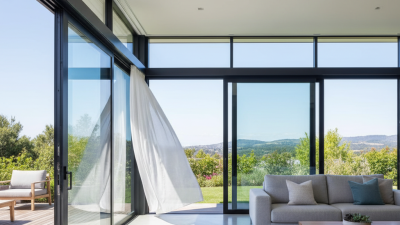
Sliding doors have become a familiar feature in homes, offices, and public spaces. Their appeal is easy to see: a glass panel can bring daylight into a room, while its movement leaves the floor clear. In a compact apartment, that can make a tight corner feel less crowded. In a home opening onto a patio, the wide view can connect indoor and outdoor spaces. Small changes matter.
The design is not only about appearance. Because the panel slides along a track, it does not swing into furniture or walkways. That can help with room planning, though the track needs regular cleaning and the door still requires enough wall space to open. Glass also raises practical questions about privacy, glare, and heat, so the right choice depends on the room and its orientation. Not always the best fit.
This article explores why sliding doors remain popular, from their space-saving movement to the light and openness they can create. It also considers details buyers may overlook, including hardware quality, installation, maintenance, and the limits of different configurations. A well-chosen door can make daily movement feel simpler. A poorly matched one may expose every compromise. Understanding both sides helps explain why sliding doors continue to suit so many settings—and why popularity alone is not a reason to choose one.
What Defines a Sliding Door?
Why Are Sliding Doors So Popular?
What Defines a Sliding Door?
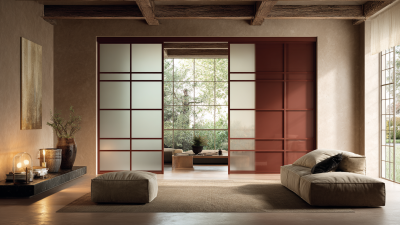
A sliding door opens by moving one panel horizontally past another, rather than swinging on hinges. Its basic parts are a door panel, a track, rollers, and guides that help keep the panel aligned. Some designs use a visible track above the opening; others conceal much of the mechanism in the frame. The name describes how the door moves, not what it is made from. Glass, timber, and composite panels can all slide.
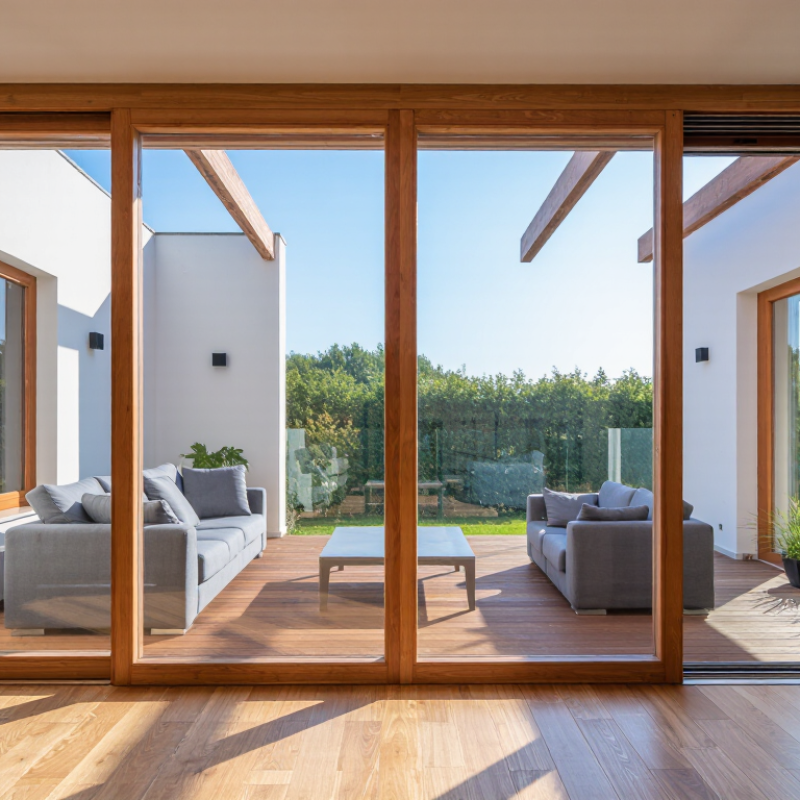
A familiar example is a patio door: one glazed panel stays fixed while another rolls along a lower track. Pocket doors follow the same principle, but slide into a cavity in the wall. That small distinction matters when planning a room. A sliding door needs clear wall or pocket space, while a hinged door needs room for its swing. The track also needs regular attention. Dust, grit, or a bent guide can make a panel feel heavy or noisy.
The term can be a little loose. Some doors slide on top-mounted hardware, while others rely on floor tracks; their installation and maintenance differ. Check that the opening is square, the panel is supported correctly, and the track suits the door’s weight. Seals and locks vary too, especially on exterior doors. A smooth glide is useful, but it does not automatically mean a door is weather-tight or secure.
Why Are Sliding Doors So Popular? — What Defines a Sliding Door?
A sliding door is a door panel that opens by moving horizontally along a track instead of pivoting on hinges. Because it does not swing into the room, it avoids the floor area swept by a hinged door. The chart shows the calculated quarter-circle swing area for example 24-, 30-, and 36-inch door panels opened 90 degrees; a sliding panel has no swing area, though it does need room along its track.
How Sliding Doors Operate
Why Are Sliding Doors So Popular?
How Sliding Doors Operate
A sliding door moves sideways rather than swinging into a room. One panel usually stays fixed, while another travels along a track. Small rollers beneath the moving panel carry its weight. When you pull the handle, those rollers guide the panel past the fixed section. It is a simple motion, but alignment matters. A gritty track or worn roller can make the door drag, rattle, or resist locking.
Weatherstripping seals the meeting edges and frame when the door closes. The lock draws the panels together, though it cannot correct a poorly aligned track. The U.S. Department of Energy’s Energy Saver guidance says windows account for 25%–30% of residential heating and cooling energy use. That figure is not a sliding-door rating, but it shows why sound seals and careful installation matter. Even a small gap can invite a cold draft beside the sofa.
Tips: Vacuum the track, then wipe it with a damp cloth. Check that drainage openings remain clear. If the panel still sticks, avoid forcing it; roller height or alignment may need adjustment. One easy-to-miss detail: a clean track helps, but it will not fix damaged rollers.
Why Sliding Doors Are Popular
Sliding doors are popular because they open without swinging into the room. In a compact kitchen, that can leave space for a chair, a laundry basket, or a clear walkway. The panel glides along a track, so furniture can sit closer to the opening than it could beside a hinged door. That matters.
Large glass panels also bring daylight deeper into living spaces. A sliding door beside a dining table can make a small room feel less enclosed, especially when it opens onto a patio or balcony. The broad view is useful, too: it lets someone keep an eye on children playing outside while preparing food. These are practical benefits, not just visual ones.
The design does have trade-offs. Tracks collect grit and pet hair, and a misaligned panel may drag or resist closing. Regularly clearing the track helps, but it will not fix worn rollers or a frame that was installed out of level. Not every room. In windy or cold climates, check the seals and glazing before choosing a model; poorly fitted panels can allow drafts and make heating less efficient. A sliding door saves swing space, but it still needs a clear stretch of wall for the panel to travel.
Factors to Consider When Choosing a Sliding Door
A sliding door can make a compact room feel more open, but its fit matters more than its appearance. Measure the clear opening and the wall beside it; the panel needs room to travel. Check for furniture, light switches, curtains, or radiators in its path. The floor and track should be level, since a slight slope can make the door drift or scrape. Small details matter. Also consider how easily everyone in the household can operate the handle and move the panel.
For an exterior door, look at insulation, weather seals, glazing, and the quality of the locking hardware. Large glass panels bring in daylight, but they can also reduce privacy and increase heat gain or loss. Ask how the frame and glass perform in your local climate, and whether the opening needs extra protection from wind-driven rain. Maintenance is another practical factor: tracks collect grit, so check whether they are easy to reach and clean. It is tempting to focus on the view alone; I would pause and picture muddy shoes, winter drafts, and daily cleaning before choosing.