10 Tips for Choosing Sliding Doors and Windows

Choosing sliding doors and windows can change how a room feels and functions. A wide glass opening may bring daylight into a dim kitchen, connect a living area with a patio, and make furniture easier to arrange. But appearance is only part of the decision. Frame material, glass performance, hardware, installation quality, and regular maintenance all affect comfort and long-term use. Small details matter.

A practical selection process starts with the opening itself. Measure its width and height carefully, note nearby furniture, and consider how much clear passage you need. Then compare frame options and glazing suited to your climate, while checking product specifications rather than relying on sales claims alone. Smooth rollers, secure locks, weather seals, and accessible tracks are worth examining in person. That can be frustrating. Some features look similar in a showroom but perform differently after years of use.

Professional advice can help when an opening is unusually large, exposed to strong weather, or part of a renovation with structural changes. Ask installers how they manage drainage, insulation, and alignment, and request clear warranty details. The best sliding doors and windows are not necessarily the most expensive or the most elaborate. They are the ones that fit the building, suit daily routines, and can be maintained without unnecessary difficulty. Even careful planning can miss a detail, so compare options patiently and leave room to reconsider.
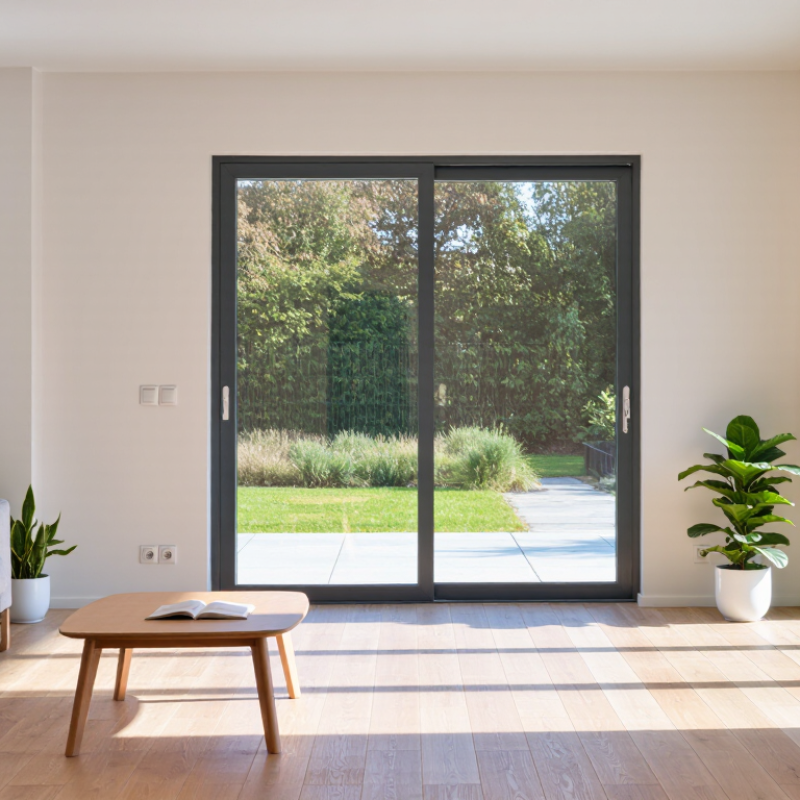
10 Tips for Choosing Sliding Doors and Windows

Understand Sliding Door and Window Types and Their Intended Uses

Sliding doors differ in how they move and where they work best. A standard patio slider runs on a track, making it useful where a swinging door would crowd furniture or a walkway. Check the opening width and threshold height; a raised track can catch toes or wheels. Pocket doors slide into a wall cavity and save floor space, but the wall must be suitable for that cavity. Bypass doors, often used on closets, overlap rather than opening fully. For broad exterior openings, heavier lift-and-slide systems may support larger glass panels, though their weight and hardware call for careful installation. More glass means more daylight. It can also mean more heat gain.

Window style matters just as much. Horizontal sliders suit wide, low openings, such as above a kitchen counter, and are usually simple to operate. Vertical sliding sash windows fit taller openings and can offer ventilation at the top, bottom, or both, depending on the design. Think about screens, cleaning access, and which direction prevailing rain hits the glass. A window that opens easily in a showroom may feel awkward over a deep sink. I have found that people often focus on the frame first. It is worth measuring the room and imagining daily use before choosing.

Measure Openings and Choose a Suitable Sliding Configuration

Measure the opening at several points: across the top, middle, and bottom, then from side to side at the top, center, and sill. Walls and floors are rarely perfectly square. Small gaps matter. Record the smallest width and height, and note any trim, handles, or baseboards that could interfere with movement. Check the finished floor level too, especially if flooring is being installed later. A measurement taken before that change may no longer fit.

Next, match the sliding configuration to the room and opening. A two-panel door may leave only half the opening clear, while a multi-panel arrangement can create a wider passage but needs more wall space and hardware. Consider where each panel will stack, whether furniture blocks access, and how much ventilation you actually want. For windows, confirm which panels open and whether screens or exterior access affect operation. It is tempting to choose the largest glass area, but that can mean heavier panels and more demanding installation. Ask a qualified installer to verify unusual openings or structural changes. A sketch with dimensions is useful; still, it is easy to miss a detail when measuring alone.

10 Tips for Choosing Sliding Doors and Windows: Measure Openings and Choose a Suitable Sliding Configuration

Measure the opening width at the top, middle, and bottom, and use the smallest measurement when checking product fit. The chart shows reference conversions only—not standard door or window sizes. Conversion: 1 inch = 2.54 centimeters.

Compare Frame Materials, Glazing, and Energy Performance

Sliding doors and windows balance appearance, daylight, and insulation differently. Vinyl frames usually need little upkeep and resist moisture, though dark finishes can absorb heat. Aluminum frames are slim and strong, but look for thermal breaks that limit heat transfer. Timber offers natural insulation and a warm finish; it needs regular care, especially near damp sills. No frame wins everywhere.

Glazing deserves an equally close comparison. Double glazing suits many homes, while triple glazing can help in colder climates or noisy locations. Low-emissivity coatings reduce heat flow without necessarily making rooms feel dim. Check the U-factor for insulation and the solar heat gain coefficient for admitted sunlight. Lower is not automatically better: a shaded north-facing room and a sunny west-facing room have different needs.

Compare the complete unit, not just the glass. Air-leakage ratings, weather seals, and installation details affect comfort as much as frame material. A sturdy panel can still feel chilly if the threshold leaks. Specifications help, but measure the opening carefully and ask how the installer will seal the perimeter. I’d inspect the sill after a hard rain, too; small drainage details are easy to overlook, and even a careful comparison can miss them.

Check Hardware, Safety Features, and Installation Requirements

Sliding doors and windows rely on more than smooth-looking frames. Test the rollers before purchase: the panel should glide without scraping or rocking. Check that the track can be cleaned easily, since grit and leaves can wear moving parts. Look for secure handles, reliable locks, and anti-lift features that help prevent a panel from being lifted out. Glass choice matters, too. Ask a qualified installer whether safety glazing is appropriate for the opening and its location.

Tips: Slide each sample panel several times. Check the lock from both sides. Ask how rollers can be adjusted or replaced. Small details matter.

Before ordering, measure the opening at several points; older walls are rarely perfectly square. Confirm the frame depth, threshold height, and space needed for trim and floor finishes. The opening must be sound, level, and properly prepared. Poor alignment can leave the sash difficult to move or create gaps where water and air enter. Ask who handles flashing, drainage, and sealing, and request these details in writing. It is tempting to rush this check. That is exactly where plans can go wrong. Follow the installation instructions, and have a qualified professional assess uncertain structural conditions.

10 Tips for Choosing Sliding Doors and Windows - Check Hardware, Safety Features, and Installation Requirements

No. Area What to Check Practical Guidance
1 Opening size and layout Measure the width, height, and depth of the existing opening; note which panel should move and where it should stack. Measure in several places because openings may not be perfectly square. Have the installer confirm the final frame and rough-opening dimensions before ordering.
2 Frame material Compare frame durability, maintenance needs, thermal performance, and suitability for the local climate. Vinyl generally needs little maintenance; aluminum is strong and slim but may need a thermal break; wood requires periodic protection; composite options vary by construction.
3 Glass and energy performance Review the whole-unit U-factor and, where relevant, the solar heat gain coefficient (SHGC). Lower U-factors indicate less heat transfer. The preferred SHGC depends on climate, orientation, shading, and heating or cooling needs; compare certified ratings for the complete unit.
4 Rollers and tracks Check roller adjustment, track construction, replaceability, and how easily the panel moves. Open and close the sample panel if possible. Movement should be smooth without scraping or excessive force; tracks should be accessible for routine cleaning.
5 Locks and operating hardware Inspect the lock, handle, latch alignment, and any secondary locking or anti-lift features. Confirm that the lock engages reliably and is easy for household members to operate. Ask how the moving panel is retained against being lifted from the track.
6 Safety glazing Determine whether tempered or laminated safety glass is required for the door or window location. Glazing requirements depend on local building codes and the exact location and configuration. Ask the supplier or building professional to verify compliance before purchase.
7 Weather resistance and drainage Look for continuous weatherstripping, a suitable sill design, and clear drainage paths or weep openings. Ask how the system manages wind-driven rain and how drainage openings should be kept clear. Weather resistance depends on the complete installed assembly, not just the frame.
8 Threshold and accessibility Check the threshold height, trip risk, water-management design, and any applicable accessibility requirements. Threshold limits vary by building type and local rules. Confirm the required clear opening and threshold details with the relevant code or project professional.
9 Installation requirements Confirm the required rough opening, frame clearances, fastening method, flashing sequence, and installer responsibilities. Follow the product-specific installation instructions. The opening should be checked for level, plumb, and square, and the sill and surrounding wall should be properly integrated for water management.
10 Warranty and maintenance Review coverage for glass, frame, hardware, finishes, and labor, along with cleaning and adjustment instructions. Check warranty exclusions and required maintenance before ordering. Keep installation records and follow the stated guidance for cleaning tracks, inspecting seals, and adjusting rollers.

Plan for Cost, Maintenance, and Long-Term Durability

The purchase price is only part of a sliding door’s cost. Compare complete quotes, including removal of old units, installation, flashing, and interior trim. A lower quote may leave out work that matters when rain reaches the sill. Ask what is included, and keep a small allowance for repairs discovered after removal. Costs vary with opening size, wall condition, and local labor.

Maintenance depends on the frame, finish, hardware, and exposure. Dust and grit can collect in tracks, so check them seasonally and clear drainage openings with a soft brush. That chore is easy to forget. Coastal air, strong sun, and frequent rain may shorten the life of some finishes; ask installers how materials perform in your conditions. Look for replaceable rollers, accessible locks, and clear care instructions. These details can make future repairs less disruptive.

For long-term durability, examine how the unit manages water and how firmly it closes. A well-fitted door should slide without scraping and latch without force. Have the opening measured carefully, since even a quality product can perform poorly when installed out of square. Energy ratings help with comparisons, but they do not guarantee comfort in every home. I would not choose by appearance alone; maintenance access and installation quality are less visible, yet costly to overlook.