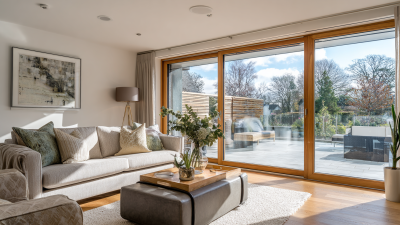
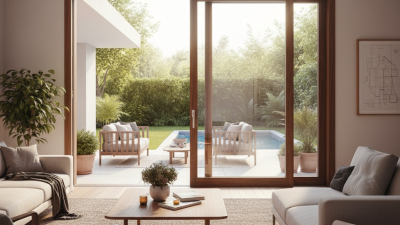
Sliding Doors Tips for Choosing the Best Options for Your Needs?
Choosing the right sliding doors can be challenging. With various styles and materials available, the decision-making process can become overwhelming. Industry expert Lisa Thompson emphasizes, “The right sliding doors not only enhance aesthetics but also functionality.”
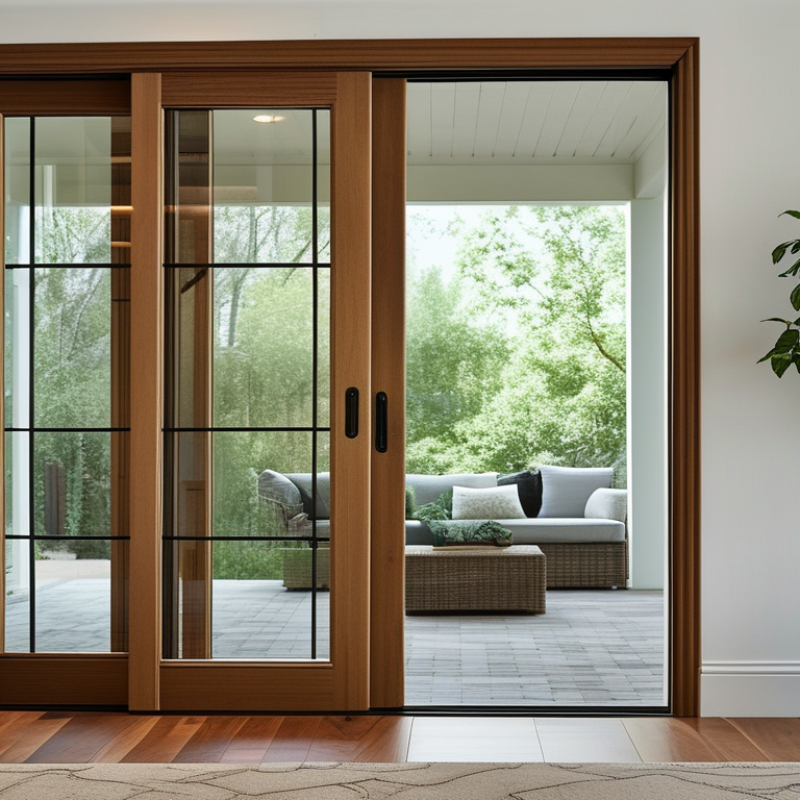
Understanding your needs is crucial. Consider the space you have and how you want to utilize it. Glass sliding doors can create an illusion of a larger area. However, they may require more cleaning and maintenance. Wood options bring warmth but can be heavy and might limit the light.
Reflect on the long-term implications of your choice. A stylish design may look appealing initially. But what about durability? Functionality? Think thoroughly. You seek a balance between beauty and practicality. Ultimately, investing in quality sliding doors can provide enjoyment for years, but only if you make informed decisions.
Understanding the Basics of Sliding Doors and Their Benefits
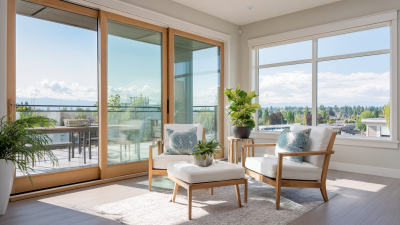
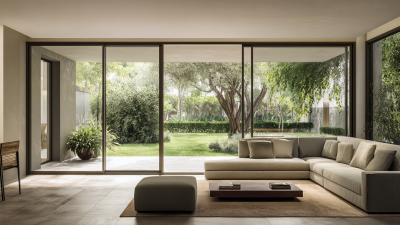
Sliding doors offer a fantastic solution for both interior and exterior spaces. They allow for seamless transitions and make areas feel more expansive. Understanding their basics is crucial to reaping the benefits. Sliding doors create the illusion of more space while allowing natural light to flow through. This can significantly enhance a room's ambiance.
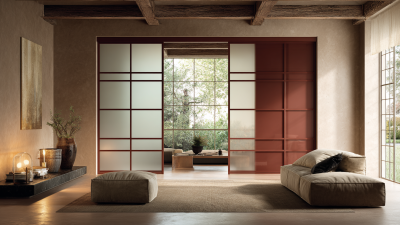
When selecting sliding doors, consider your space's function. What are the primary needs? If you're looking for privacy, frosted or tinted glass may be ideal. For energy efficiency, look for doors with good insulation ratings. While aesthetics are essential, practicality should not be overlooked. Many options provide style without compromising on functionality.
It's important to choose durable materials. Wooden frames offer warmth but may require more maintenance. On the other hand, aluminum frames are low-maintenance and more weather-resistant. Reflect on your lifestyle. If you have young children or pets, selecting robust materials is wise to ensure longevity. Think carefully about your choices to make sure they align with your needs and environment.
Factors to Consider When Choosing Sliding Door Materials
When selecting materials for sliding doors, various factors come into play. Durability is one of the primary considerations. Sliding doors often face wear and tear; therefore, materials like fiberglass or aluminum tend to withstand the elements better than others. Think about the climate in your area. Humidity can warp less robust materials quickly.
Another factor is thermal efficiency. Some materials insulate better than others, which impacts your energy bill. Double-glazed glass is a great choice for improved insulation. Reflect on the space where the door will be installed. Natural light is vital for many homes, and the right glass can enhance this feature.
Aesthetics also matter. The visual appeal should complement your home’s style. Whether you prefer a minimalist look or something more elaborate, the material you choose will dictate the overall impression. Do not overlook maintenance needs. Some materials require more upkeep, while others are more straightforward to care for. Avalanches of options can overwhelm, so consider prioritizing what truly matters for your needs.
Sliding Doors Tips for Choosing the Best Options for Your Needs
| Material |
Durability |
Energy Efficiency |
Maintenance |
Cost Range |
| Vinyl |
High |
Excellent |
Low |
$300 - $600 |
| Aluminum |
Moderate |
Good |
Medium |
$400 - $800 |
| Wood |
High |
Moderate |
High |
$600 - $1200 |
| Fiberglass |
Very High |
Excellent |
Low |
$700 - $1500 |
| Glass |
Moderate |
Good |
Medium |
$500 - $1000 |
Evaluating the Space: Measuring for Perfect Sliding Door Fit
When considering sliding doors, evaluating the space is crucial. Accurate measurements can make or break your door selection. Surprisingly, research shows that nearly 30% of homeowners experience issues because they miscalculated their space. Such errors lead to either gaps or doors that won’t slide correctly. This highlights the importance of taking the time to measure precisely.
Start by measuring the height and width of the opening. The average sliding door height is around 80 inches, but this can vary. Always check the specific measurements of your space. Additionally, factor in the size of the frame. Industry guidelines suggest allowing an extra 1/4 inch on each side for smooth operation. Using a tape measure, note the dimensions carefully.
Moreover, potential obstacles can affect your sliding door fit. For instance, flooring inconsistencies may alter the height needed. A study from the National Association of Home Builders indicates that 25% of installations fail due to overlooked flooring variations. It’s essential to assess both the current structure and any decor elements nearby. Engaging with professionals can provide insight, but clarity in your measurements empowers you in the decision-making process.
Sliding Doors Fit Evaluation: Impact of Measurement Accuracy
This bar chart illustrates the number of projects affected by different measurement errors when installing sliding doors. Accuracy in measurements is critical to ensure a perfect fit, leading to a smoother installation process and enhanced functionality.
Design Options: Styles and Aesthetics of Sliding Doors
When selecting sliding doors, the design options play a crucial role. Various styles and aesthetics can influence the overall look of your space. For modern interiors, sleek and minimalistic designs work well. They often feature clean lines and simple hardware, contributing to an uncluttered vibe. Alternatively, rustic, farmhouse-style doors bring warmth and charm. These may include wood finishes with intricate carvings, adding character to any room.
Glass sliding doors provide a unique aesthetic experience. They can create an illusion of openness. However, they require consistent cleaning and maintenance. Consider the level of privacy you want. Frosted glass offers a solution while maintaining light flow. Moreover, the frame material matters, too. Choose between aluminum, wood, or vinyl based on durability and style preferences. A metal frame may look industrial, while wood can add a softer touch.
It is essential to think about the door's functionality. Some designs may not glide as smoothly as you'd hope. Always test the door before purchase. Look for options that allow customization. It's an opportunity to reflect your personal style. Be cautious of trends; they may not withstand time. Choose wisely, and let your sliding doors enhance your home’s aesthetic appeal.
Maintenance Tips for Prolonging the Life of Your Sliding Doors
Sliding doors are a popular choice for both aesthetic appeal and practical use. However, they require some attention to maintain their functionality and longevity. Regular cleaning is key. Dust and debris can accumulate around the track, causing the door to stick. Wipe the tracks clean with a damp cloth. You might also find it helpful to vacuum any hard-to-reach areas. This simple step can prevent many common problems.
Lubrication is often overlooked but is crucial for smooth operation. Use a silicone-based spray lubricant on the tracks and rollers. Avoid grease, as it attracts dirt and grime. Additionally, check the alignment of your doors regularly. Misaligned doors can lead to unwanted gaps, impacting insulation and security. For windowed sliding doors, inspect seals periodically to prevent air leaks and water intrusion. While it's easy to neglect maintenance, being proactive saves you from costly repairs in the future.
Lastly, monitor the hardware. Screws can loosen over time, affecting stability. Tighten them as needed to ensure everything functions properly. If you notice wear and tear, consider replacing components before they cause a bigger issue. Though maintenance might feel tedious at times, the effort you invest will yield more years of reliable use.