Best Sliding Doors and Windows for Your Home Design?
In today’s home design landscape, sliding doors and windows stand out as both functional and stylish elements. They offer an effortless way to connect indoor spaces with the outdoors. People often underestimate their impact on natural light and airflow. Choosing the right sliding doors and windows can enhance the aesthetics of your home while adding value.
Quality matters when it comes to sliding doors and windows. Many options exist, from classic designs to modern innovations. Homeowners may find themselves overwhelmed by choices. Each type has its advantages and drawbacks. For example, large glass panels can create stunning views but may pose challenges related to privacy and energy efficiency. A balance is crucial.
Investing time in researching sliding doors and windows is essential. Seek expert advice to make informed decisions. Simple features often lead to significant improvements in comfort and style. Home design is about more than just trends; it’s about creating a lasting impression and feeling at home. Reflecting on your needs will guide you to the best choices.
Types of Sliding Doors: A Comprehensive Overview for Home Design
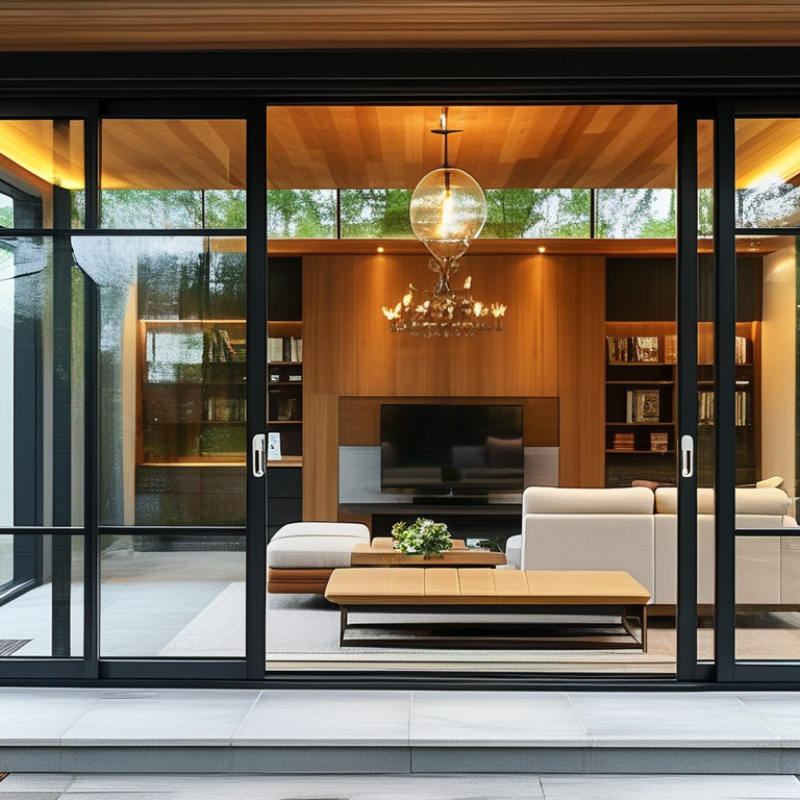
Sliding doors come in various styles, each adding unique charm to home design. Many homeowners favor patio sliding doors. They create a seamless transition between indoor and outdoor spaces. This style often uses large glass panels, enhancing natural light and views. However, careful placement is necessary. Poor positioning can disrupt flow and accessibility.
Another popular choice is pocket sliding doors. They slide into the wall, saving valuable space. This is ideal for smaller rooms or tight hallways. Yet, installation requires careful planning and skilled workmanship. Improper installation might lead to issues with alignment or functionality over time.
Lastly, multi-panel sliding doors offer a modern aesthetic. These doors feature multiple glass panels that can slide open to create a large opening. While visually stunning, they can be more expensive. Maintenance also becomes crucial, as dirt can accumulate more easily in the tracks. Each type has its advantages and challenges, making thoughtful selection essential for your home.
Choosing the Right Material for Sliding Windows and Doors
Choosing the right material for sliding windows and doors can greatly impact your home's design and function. Common materials include aluminum, vinyl, and wood. Each option offers unique benefits and drawbacks that you should consider carefully.
Aluminum provides strength and durability. It resists rust and corrosion, making it a practical choice for various climates. However, aluminum can conduct heat and cold, leading to potential energy inefficiency. It may be wise to explore thermal breaks or insulation options to enhance energy performance.
Vinyl is another popular option. It is typically energy-efficient and low-maintenance, providing excellent insulation. On the downside, vinyl options may lack the aesthetic appeal of wood. The color choices can also be limited, which might not fit all design visions. Wood offers a rich, warm look that many homeowners love. However, wood requires regular maintenance to prevent rot and warping. Evaluating these materials is crucial in making a well-informed decision for your home.
Material Comparison for Sliding Doors and Windows
Key Features and Benefits of Sliding Doors in Modern Architecture
Sliding doors are a significant feature in modern architecture. They enhance both functionality and aesthetics. These doors offer seamless transitions between indoor and outdoor spaces. The large glass panels allow natural light to flood the interior, creating a warm and inviting atmosphere. They also provide stunning views of your garden or backyard.
The benefits of sliding doors are numerous. They save space, as they do not swing open like traditional doors. This feature is especially valuable in smaller homes. Additionally, modern designs often include energy-efficient glass. This helps maintain temperature control, reducing energy bills. However, it's essential to consider the durability of the tracks and seals. Poor maintenance can lead to issues like sticking doors or air leaks.
While the appeal of sliding doors is clear, potential buyers need to assess their needs. Are they prioritizing aesthetics over functionality? Will the chosen design withstand the local climate? These questions are crucial. Exploring different materials and configurations is advisable before making a decision. Balancing beauty with practicality often requires reflection.
Design Tips for Integrating Sliding Windows with Home Aesthetics
Integrating sliding windows into your home design can enhance both functionality and aesthetics. Choose a style that complements your home's architecture. For instance, modern homes benefit from sleek frames, while traditional homes might prefer more classic designs. Selecting the right materials is essential. You can opt for aluminum for a contemporary touch or wood for warmth and charm.
Consider the placement of your sliding windows. Positioning them to maximize natural light can greatly affect the ambiance of a room. Think about the view outside. Framing a beautiful landscape can create a sense of connection with nature. Having sliding windows that open to a patio or garden can encourage outdoor living, blending spaces effortlessly.
Pay attention to color and finish. The hues should harmonize with your home’s existing palette. Bold colors can make a statement, while neutral tones can blend seamlessly. Experimenting with different configurations might yield unexpected results. It’s important to analyze how your choices make you feel in the space. Reflect on whether the design fulfills its intended purpose of enhancing living quality.
Maintenance and Care for Long-lasting Sliding Doors and Windows
Maintaining sliding doors and windows is essential for ensuring their longevity and seamless functionality. Regular cleaning is critical. Dirt and grime can accumulate in tracks and frames. This buildup can lead to operational issues, such as sticking or jamming. Use a soft cloth and a mild cleaner to wipe down surfaces regularly. Consider this a routine part of your home care.
Check the seals and weatherstripping. Over time, these components may deteriorate, leading to drafts or water leakage. Inspect them for signs of wear. Replacing damaged seals promptly can save you from costly repairs later. This is often overlooked but crucial for energy efficiency.
Tips: Lubricate the tracks every six months with a silicone spray. This reduces friction and helps the door slide smoothly. Additionally, keep the area around the doors clear. Plants or furniture can obstruct movement and cause wear. If you notice any alignment issues, seek professional help immediately. Ignoring small problems can magnify over time.