What Are the Top Types of Big Windows in 2026?

Big windows can transform a room, bringing in daylight, widening views, and making compact spaces feel more open. In 2026, homeowners can choose from several designs, each with distinct benefits and practical trade-offs. Picture windows provide broad, uninterrupted views, while sliding windows suit areas where an outward-opening sash would get in the way. Casement windows open wide for ventilation, and bay or bow windows add depth to a room.

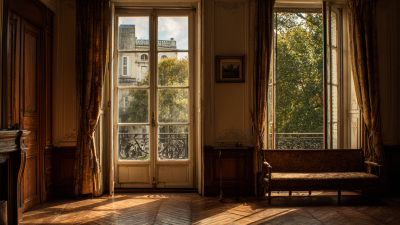
Light changes everything. Floor-to-ceiling windows create a dramatic connection with the outdoors, while clerestory windows bring daylight in higher on a wall without giving up as much privacy. The right choice depends on the room, local climate, window orientation, and how the home is used. A south-facing glass wall may brighten a space, but it can also increase heat and glare. Bigger is not automatically better.

This guide explores the top types of big windows in 2026, along with the settings where each design tends to work well. It also considers details that are easy to overlook, including frame materials, glazing, ventilation, and installation quality. These factors affect comfort and long-term performance, not just appearance. Product claims can be useful, but actual results depend on the building and the installer. A beautiful window can still feel wrong if it makes a room too hot or difficult to furnish. That deserves a second look.
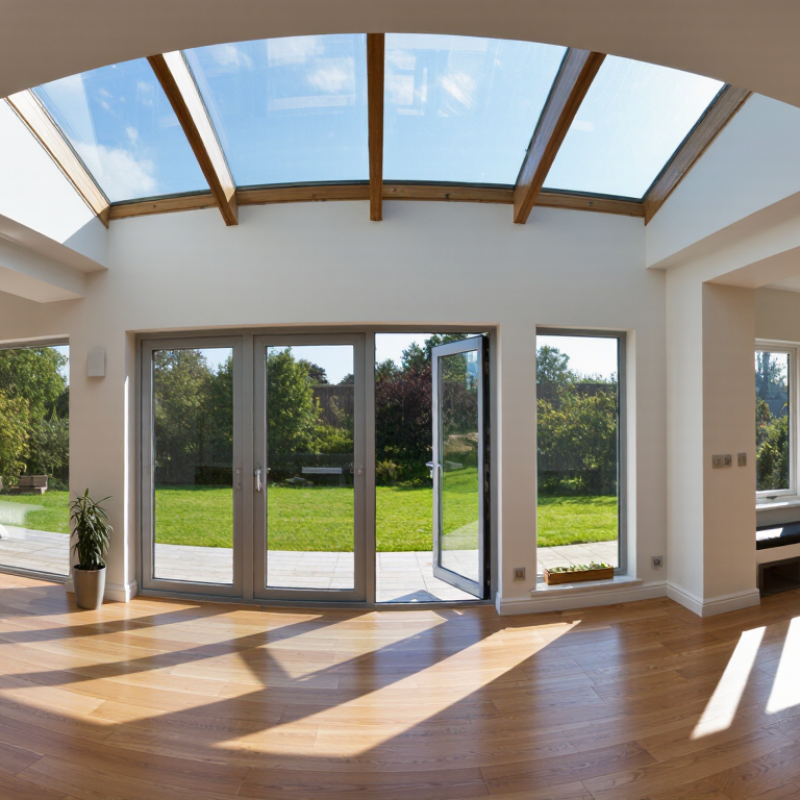
What Are the Top Types of Big Windows in 2026?

How Large Windows Are Classified by Design and Function

What Are the Top Types of Big Windows in 2026?

Large windows are easier to compare by how they open, shape a view, and manage air and light.

A fixed picture window has no moving sash, often giving an uninterrupted view with fewer moving parts. It does not provide ventilation. Pairing it with an operable unit can help, though the frame pattern may look less seamless.

Sliding and casement windows are classified by operation. Sliding sashes move horizontally and suit wide openings where swing space is limited. Casement windows hinge at the side and open outward, catching breezes when positioned thoughtfully.

Check hardware clearance and wind exposure; a sash that works on paper may feel awkward beside a path or deck. Small details matter.

Bay and bow windows project beyond the exterior wall, adding depth and sometimes a seating ledge. Clerestory windows sit high on a wall, bringing daylight while preserving privacy.

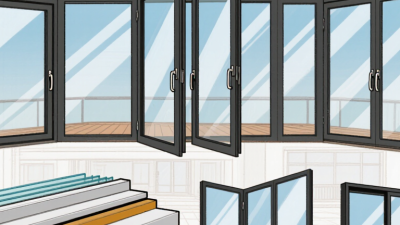
Folding or multi-panel systems create broad openings, but their tracks need careful maintenance. Not every large window fits one type. Some combine fixed glass with a venting panel.

The useful classification is practical, not just visual: consider room use, orientation, cleaning access, shading, and weather. I would not choose by the view alone.

Large glass can brighten a room, yet poorly placed glazing may cause glare or heat gain. A site assessment helps, and it is worth reconsidering assumptions after living with the light.

Picture Windows for Unobstructed Views and Natural Light

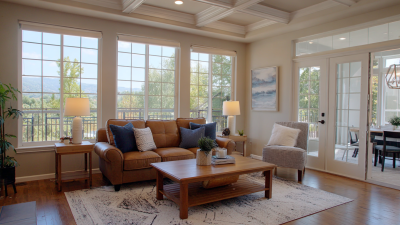
A picture window is a fixed, non-opening window designed to frame a broad outdoor view. It has no sash or screen crossing the glass, so daylight can reach deeper into a room. The effect is especially clear above a low sofa or beside a dining table. On a quiet morning, tree branches or distant rooftops become part of the room. The view stays clear.

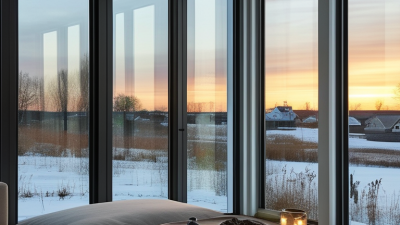
Because picture windows do not open, pair them with operable windows if the room needs fresh air. That trade-off matters. Large panes also need careful planning for heat, glare, and privacy. A west-facing window may bring strong late-afternoon sun; exterior shading or suitable low-emissivity glazing can help manage it. Ask a qualified installer to check the wall opening, support, flashing, and drainage before choosing a wide unit. Those details are easy to overlook. I would pause before glazing the whole wall. A favorite view can feel exposed after dark, with interior lights on.

Sliding Windows for Wide Openings and Easy Operation

Sliding windows suit broad openings where easy movement matters. One sash glides along a track, so it does not swing into furniture or a narrow patio. That helps in kitchens and rooms with deep counters. In a wide frame, two panels can create a long, low view, though typically only one side opens at a time. Check the clear opening, not just the frame size. It matters.

Energy performance deserves equal attention. The U.S. Department of Energy’s Energy Saver guidance estimates that windows account for about 25%–30% of residential heating and cooling energy use. Large glass areas can increase heat gain or loss, especially on sunny exposures. Compare whole-window U-factor and Solar Heat Gain Coefficient on National Fenestration Rating Council labels; these standardized ratings help make product comparisons more meaningful. Choose glazing for your climate and window orientation. Also ask how the track drains and seals. A slider needs smooth rollers and clean tracks. Installation matters, too: a wide unit may feel less airtight when poorly fitted. After installation, test the latch one-handed and check the sill after rain. A big opening is convenient, but the moving panel is not magic.

Casement and Awning Windows for Controlled Ventilation

Casement and awning windows offer more control over airflow than many large fixed panes. A casement sash swings outward on side hinges, letting you angle the opening toward a passing breeze. An awning sash is hinged at the top and opens from the bottom. Its glass can deflect light rain, though it should not be treated as a guarantee against water entering during severe weather.

Small details matter. Before choosing either style, note the room’s usual wind direction, nearby walkways, and where furniture sits. An outward-opening sash needs clear space outside; a handle should remain easy to reach without moving a desk or chair. Screens can help keep insects out, but they may slightly reduce airflow. That trade-off is easy to overlook.

Casements often suit spaces where a stronger, adjustable breeze is useful, while awning windows can work well above counters or in compact rooms. Neither style is automatically right for every large window. Frame condition, opening size, hardware, and installation all affect how smoothly the sash operates. Ask an experienced installer to check the opening and explain maintenance needs. I would also test the handle in person; a beautiful window is less useful if daily operation feels awkward.

Bay, Bow, and Folding Windows for Expansive Openings

Bay windows extend outward from the wall, creating a small ledge and a wider view. Their angled panels can bring morning light into a breakfast nook or living room. The center section is often fixed, while side panels may open for ventilation. Measure the projection carefully; a deep bay can reduce usable walkway space. That trade-off matters.

Bow windows use several narrower panels to form a gentle curve. They suit rooms where a softer exterior shape is preferred, and can brighten a corner without creating one large glass pane. More joints mean more places to inspect for drafts or moisture. Check the frame, seals, and support requirements with a qualified installer, especially in older homes. Small details count.

Folding windows use hinged panels that stack to one or both sides, making a broad opening to a patio or garden. They work best when the threshold, drainage, and panel storage are planned together. A low sill feels seamless, but rainwater management still matters. Not every wall can support a wide opening; a structural assessment should come before choosing panel widths. Measure twice. Also consider how often the panels will be opened, since hardware needs periodic adjustment and cleaning.