What Are the Best Big Windows from China?
Choosing the best big windows from China requires more than comparing glossy catalog photos. A reliable decision begins with performance, manufacturing experience, and project suitability. Chinese window manufacturers offer wide sliding systems, lift-and-slide doors, folding walls, and fixed glass panels. Some factories focus on residential renovations, while others handle hotels, villas, and commercial developments.
Look closely at the details. A strong big windows system may use thermally broken aluminum frames, insulated glass, multi-point locks, and tested weather seals. Ask for documented air, water, wind-load, and thermal-performance results. These records matter more than impressive showroom language. Check the glass configuration too. Low-E coatings, laminated safety glass, and argon-filled cavities can improve comfort and security. Yet specifications must match the local climate, building structure, and installation method.
Factory experience is equally important. Request production photographs, sample corners, hardware brands, packaging methods, and references from completed projects. A careful supplier should explain tolerances, drainage paths, replacement parts, and warranty coverage clearly. Communication can reveal practical expertise. Slow answers may create problems later.
There is no universal “best” Chinese window. A coastal home needs corrosion resistance. A cold region needs stronger insulation. A high-rise project demands different engineering than a ground-floor villa. Even a beautiful frame can fail through poor installation. That point is often underestimated.
This guide compares leading options through materials, testing, customization, pricing, and after-sales support. Some conclusions may change as evidence improves. That is acceptable. A dependable purchase should be based on verified performance, not assumptions or the lowest quotation.
Types of Big Windows Commonly Manufactured in China
What Are the Best Big Windows from China?
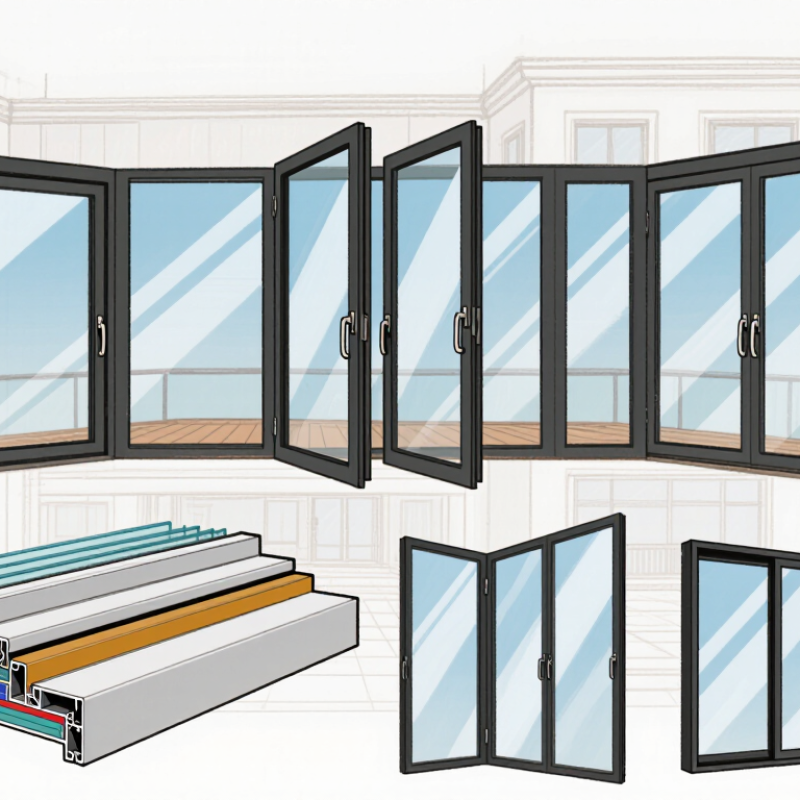
China commonly manufactures several large-window styles for homes, offices, hotels, and commercial buildings. Sliding windows are practical for wide openings because their panels move horizontally without using interior space. Folding windows can open most of the wall, creating a strong connection with balconies or gardens. They look impressive. However, their hinges, rollers, and seals need careful checking.
Lift-and-slide windows support heavier glass panels with smoother movement and better weather resistance. Fixed panoramic windows provide uninterrupted views, but they do not offer natural ventilation. Casement and tilt-and-turn windows are more flexible. They can open widely or tilt inward for controlled airflow. Corner windows are also available, although their structural design requires accurate measurements and stronger frame connections.
Most large windows from China use thermally broken aluminum, uPVC, or engineered wood systems. Aluminum suits tall openings because it offers good strength and slim sightlines. Low-emissivity double or triple glazing can improve insulation, but glass thickness and panel size must match local wind loads. In practical projects, I would request test reports for air leakage, water penetration, wind pressure, and hardware durability. Product photos are not enough.
My first specification focused too much on appearance.
That was a mistake. A beautiful oversized panel can become difficult to operate when hardware capacity is underestimated. Installation quality matters equally, especially around sill drainage and expansion gaps. Ask for shop drawings, glass calculations, finish samples, and replacement-hardware details before production. Some projects also need independent inspection, because factory claims may not reflect site conditions.
Key Materials and Construction Features to Compare
What Are the Best Big Windows from China?
Large Chinese windows should be compared by materials and construction, not appearance alone. The IEA’s 2023 Global Status Report says buildings used about 30% of global final energy in 2022. Window performance matters. The U.S. Department of Energy also estimates that windows can cause 25–30% of household heating and cooling energy use.
For large openings, thermally broken aluminum offers strength and slimmer frames. However, poor thermal breaks can create cold interior edges. uPVC provides good insulation, but very wide sashes may need stronger reinforcement. Compare double or triple insulating glass units, low-emissivity coatings, argon filling, and warm-edge spacers. Ask for whole-window U-value, solar heat gain coefficient, and visible transmittance. Center-glass values can look impressive while the frame performs poorly. That is an easy mistake.
Tips: Request air, water, and structural test records. Standards such as ASTM E283 and ASTM E331 help verify leakage resistance. Check corner welds, drainage paths, gasket compression, and hardware load ratings. For coastal projects, ask for corrosion testing and suitable fasteners. Factory photographs are useful, but independent inspection is stronger. I would not rely on a certificate without matching test dimensions. A 3.0-metre window can behave differently from a small laboratory sample. Also confirm glass thickness and safety glazing requirements for low-level installations. Performance can weaken through installation, even when the window itself is well made.
How Chinese Big Windows Meet Safety and Energy Standards
Large windows from China can meet demanding safety and energy expectations when their design is verified for the project’s location. Quality begins with tested materials, not attractive catalog images. Tempered or laminated glass helps reduce injury risks after breakage. Strong frames and correctly rated hardware support heavy panels without unsafe movement.
Energy performance also depends on the complete window system. Thermal-break aluminum frames limit heat transfer through the frame. Low-emissivity glass can reduce unwanted solar heat in summer and heat loss in winter. Multiple seals help control air leakage and rain penetration. During project reviews, I check U-values, solar heat-gain data, and test reports against local building requirements.
Testing should cover wind pressure, water tightness, air leakage, glass impact, and repeated opening cycles. Factory quality control matters too. Inspectors should measure frame dimensions, corner joints, gasket placement, and drainage paths. Installation is equally important. Even an excellent window may fail if the opening is poorly prepared or the sealant is applied unevenly.
A certificate alone is not enough. Documentation must match the actual glass, frame, and hardware configuration. I also ask for samples and independent test evidence when the project is large or exposed to severe weather. Small gaps in verification can become expensive problems later. The careful choice is sometimes slower, but it is safer.
Customization Options for Size, Glass, Frames, and Opening Styles
What Are the Best Big Windows from China?
Large windows from China can be tailored to a project’s climate, structure, and daily use. Buyers can request exact widths, heights, mullion positions, and corner connections. Oversized glass looks impressive. It is not automatically efficient.
The U.S. Department of Energy reports that windows can represent 25–30% of residential heating and cooling energy use. This makes glass selection important. Double glazing suits many projects, while triple glazing may improve comfort in colder regions. Low-emissivity coatings, argon filling, warm-edge spacers, and laminated safety glass offer different benefits.
A supplier should provide U-values, solar heat gain data, visible transmittance, and test results. Numbers matter more than attractive samples.
Frames also need careful matching. Thermally broken aluminum offers slim sightlines and structural strength. uPVC may provide strong insulation at a different visual and maintenance profile.
Opening styles include sliding, folding, tilt-turn, awning, and lift-and-slide systems. Each option changes ventilation, hardware load, and cleaning access.
On large installations, I would check wind pressure, drainage, water tightness, and hardware endurance before approving the design. The International Energy Agency’s Buildings report highlights the global importance of reducing building energy demand, but a lower U-value alone cannot guarantee comfort.
Poor installation can undermine excellent glass. I still see projects specify huge panels before checking floor movement and delivery routes. That sequence needs reconsideration.
How to Select a Reliable Chinese Big Window Supplier
What Are the Best Big Windows from China?
Selecting a reliable Chinese big window supplier requires more than comparing online prices. Large windows demand accurate engineering, strong profiles, and dependable glass support. Ask for detailed drawings showing frame thickness, glass layers, hardware, drainage, and maximum dimensions. A professional supplier should explain load limits clearly, not simply promise “custom sizes.”
Request recent project photos, factory videos, product samples, and independent test reports. Check whether the reports match the exact window system you plan to buy. Certifications can help, but they are not proof of every product’s quality. Speak with previous commercial customers when possible. Their comments may reveal delays, packaging damage, or weak after-sales support. A video call with the production team can also expose poor organization. It is not perfect evidence, but it is useful.
Tips:
Compare three suppliers using the same specification sheet. Confirm thermal performance, wind resistance, water tightness, warranty terms, spare hardware, and installation guidance. Ask how the supplier protects a two-meter glass panel during transport. Strong wooden crating and corner protection matter. Request a small sample before placing a large order. I would also keep payment stages tied to approved production photos and inspection records. A low quotation may hide thinner frames or cheaper hardware. That mistake becomes expensive after installation. Good communication matters, too. If answers stay vague, reconsider the supplier.