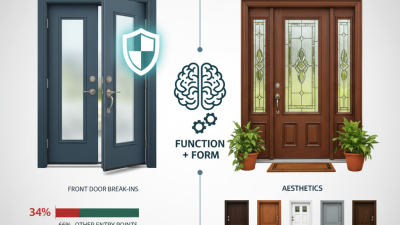
Choosing home doors is not just a style decision. A door must suit the climate, fit its opening, provide reliable security, and withstand daily use. The 2024 Cost vs. Value report from Zonda found that a steel entry-door replacement recouped an estimated 188.1% of its project cost at resale across surveyed U.S. markets. That figure is striking, but it is an average—not a promise. Local labor costs, home prices, and product choices can change the outcome.
Energy performance deserves close attention, too. The U.S. Department of Energy recommends checking insulation and weatherstripping when evaluating exterior doors. Look for a tight seal around the frame, a well-fitted threshold, and clear product information. These details can matter as much as the door’s appearance. Small details matter. A beautiful slab may still disappoint if it sticks in humid weather or leaves a draft near the hinges.
The following ten tips explain how to compare materials, styles, security features, glazing, maintenance, and installation needs. Measure the opening carefully, and inspect the jamb and threshold before choosing a replacement. Consider how the door will feel in everyday use: Is the handle comfortable? Does the door swing freely? One point is easy to overlook: the most expensive option is not automatically the best fit. A thoughtful choice balances performance, appearance, budget, and the conditions around your home.
Before choosing a door, watch how people move through each opening. A front door may need privacy, weather resistance, and a secure, well-fitted lock. A bedroom door has different priorities, such as quiet operation and enough clearance for furniture. Measure the opening, including its height, width, and depth. Measure twice. Note whether the door swings inward or outward, and check for nearby walls, cabinets, or stairs that could obstruct it.
Think about the conditions the door will face. A bathroom door may be exposed to steam, while an exterior door must handle rain, sun, and temperature changes. Look for drafts around existing frames; a narrow gap can make a room noticeably less comfortable. Small details matter. Consider who will use the door, too: a heavy door or tight handle may be difficult for children, older adults, or anyone with limited mobility. I used to focus mainly on appearance, but that can overlook daily frustrations. Check local building requirements where relevant, especially for required exits or fire-rated openings. If the frame is warped or the measurements seem inconsistent, pause and ask a qualified installer to assess it before ordering.
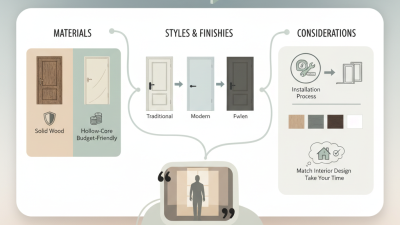
A door’s material affects more than its appearance. Solid wood offers natural grain and can be trimmed to fit, but humidity may cause it to swell or shrink. Fiberglass resists moisture and needs little upkeep, while quality varies between products. Steel often provides a sturdy, cost-conscious option, though dents can be difficult to repair. Tap the surface and inspect the edges. A hollow interior may suit a closet, but it can feel flimsy and let more sound through. For bedrooms or entryways, a solid-core or solid-wood door usually offers better privacy and a more substantial feel.
Style matters, but construction determines how well a door works day to day. A panel door can complement traditional rooms; a flush door often suits simpler interiors. Sliding doors save floor space, though their tracks need occasional cleaning and may not seal tightly. Check the frame, hinges, and weatherstripping, not just the door slab. A heavy door on undersized hinges can sag over time. Listen closely. Gaps around an exterior door can invite drafts, even when its material is durable. Measure the opening carefully, including the frame, and consider who will use the door. I’d avoid choosing by appearance alone; it is easy to underestimate sound, maintenance, or the clearance needed for a handle. Some trade-offs are hard to judge from a showroom sample.
A secure door begins with its frame, not just its panel. Check that the frame feels solid and sits squarely, with no visible gaps around the edges. A reinforced strike plate and long screws can help resist forced entry. Hinges matter, too, especially when they sit on the exterior side. Test the lock with the door closed; a bolt that sticks may be a warning.
For energy efficiency, look for continuous weatherstripping and a tight threshold. On a cold day, hold your hand near the bottom edge and feel for a draft. Glazed panels can brighten a hallway, but compare their insulation ratings before choosing them. A door that performs well in a mild climate may feel less comfortable through a windy winter. Details matter.
Durability depends on weather, use, and upkeep. A covered entry may protect wood from rain, while a door exposed to afternoon sun can fade or warp sooner. Ask how often the finish needs attention, and inspect the lower corners for moisture damage. Material labels can help, but installation quality is easy to overlook. I once focused too much on appearance; the poorly fitted threshold became the part I noticed every day. Test the swing, latch, and seal before making a final choice.
Measure the opening before choosing a style. Check the width at the top, middle, and bottom, then compare the heights on both sides. Use the smallest measurements; older walls are rarely perfectly square. Also note the jamb depth and nearby trim. A door that fits the opening can still scrape against new flooring or a tight hallway. Leave room for the swing.
Hardware should suit the door’s weight and daily use. Heavier doors may need appropriately rated hinges, while frequently used doors benefit from handles that feel comfortable in your hand. Check that the latch lines up with the strike plate, and consider who will use the door. Small detail, big difference. It’s easy to focus on appearance and overlook how a handle feels after a long day.
Design details shape both function and mood. For an exterior door, look for a close fit and suitable weather seals to help limit drafts. For interior doors, consider privacy, sound, and how much light should pass through. Glass panels can brighten a dim hallway, but may not suit a bedroom. Finish samples can look different under warm evening lamps than in daylight, so view them at home before deciding. Measurements and plans can still miss a quirk in an older house; a second check is worthwhile.
| Tip | What to Check | Practical Guidance | Why It Matters |
|---|---|---|---|
| 1. Measure the opening carefully | Measure width at the top, middle, and bottom, and height at both sides. Check the wall depth as well. | Record the smallest width and height. For a replacement, measure the existing door slab and frame separately. | Accurate measurements help avoid a door that binds, leaves uneven gaps, or requires costly frame changes. |
| 2. Choose a suitable door size | Compare the measured opening with available standard sizes and local requirements. | Many interior doors are around 80 inches tall, with common widths ranging from 24 to 36 inches. Actual sizes vary by home and location. | Selecting a compatible size can simplify installation and provide comfortable access. |
| 3. Confirm the swing and handing | Determine which side the hinges go on and whether the door swings inward or outward. | Check nearby walls, furniture, switches, hallways, and adjoining doors before ordering a prehung unit. | The right swing improves circulation and prevents doors from colliding with each other or nearby objects. |
| 4. Match the material to the location | Consider moisture, exposure, maintenance, privacy, and the door’s intended use. | Solid-core doors can offer more sound reduction than hollow-core doors. Exterior doors should be designed for outdoor exposure and weather sealing. | The appropriate construction can improve durability, comfort, and performance in each room or entrance. |
| 5. Select hardware that fits the door | Check door thickness, backset, latch type, hinge size, and the hardware preparation in the door. | Common residential latch backsets include 2⅜ and 2¾ inches, but verify the existing door or product specifications before buying. | Compatible hardware installs correctly and operates smoothly without extra drilling or modifications. |
| 6. Pick hardware for the room’s function | Decide whether the door needs privacy, a keyed lock, a passage latch, or no latch. | Privacy latches are commonly used for bedrooms and bathrooms; passage sets suit closets and hallways. Follow applicable safety guidance for locks. | Choosing the correct function makes the door convenient and appropriate for its use. |
| 7. Coordinate the design with the home | Look at panel profiles, glazing, color, trim, and the style of nearby doors. | Use consistent finishes and profiles where visual continuity is important, while allowing feature doors to stand out intentionally. | A considered design helps rooms feel connected and complements existing finishes. |
| 8. Consider light and privacy together | Evaluate whether a glazed panel is suitable and whether privacy or light control is needed. | For bathrooms, bedrooms, and street-facing entrances, consider obscure glazing, curtains, or a solid panel as appropriate. | The right balance can brighten a space without sacrificing privacy. |
| 9. Check the frame, threshold, and seals | Inspect the frame condition, floor clearance, weatherstripping, and threshold—especially for exterior doors. | Replace damaged or poorly fitting seals and confirm that the door clears floor coverings through its full swing. | Good fit and sealing help limit drafts, water entry, rattling, and sticking. |
| 10. Plan installation and finishing | Confirm whether you are buying a door slab or a prehung unit, and review finishing and installation instructions. | Allow for accurate shimming, a level and square frame, suitable fasteners, and compatible paint or finish where required. | Careful preparation and installation help the door stay aligned and operate reliably over time. |
Set a realistic door budget before comparing styles. Include the door, frame, locks, hinges, trim, delivery, and removal of the old unit. Measure the opening at several points; older homes are not always square. A written, itemized estimate makes missing costs easier to spot. Keep a modest reserve for hidden damage, such as soft wood beneath the threshold. Estimates can still miss things.
Installation affects comfort as much as appearance. A poorly aligned exterior door may stick, leak air, or let rain reach the sill. Ask who will check the frame, seal gaps, and finish the trim. For unusual openings or heavy doors, a qualified installer can assess the conditions before work begins. DIY fitting may save labor, but forcing a door into an uneven frame can create expensive problems. Plan for noise, dust, and a few hours without normal access.
Ongoing care is usually simple. Twice a year, check weatherstripping for cracks and look for peeling paint or swelling near the bottom edge. Tighten loose hinge screws and clear dirt from the threshold. Use cleaning products suited to the door’s material, following its care instructions. I once assumed a draft meant the door needed replacing; a worn seal was the real issue. Small checks help, though they do not prevent every repair.