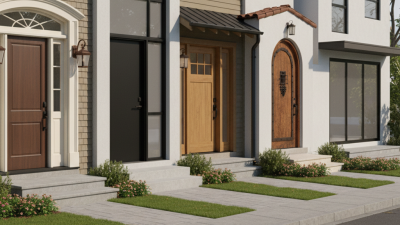
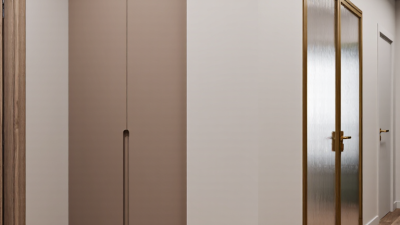
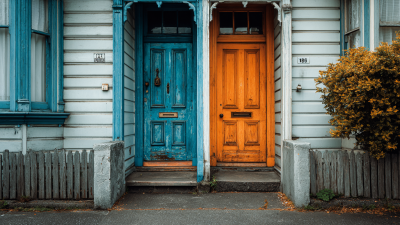
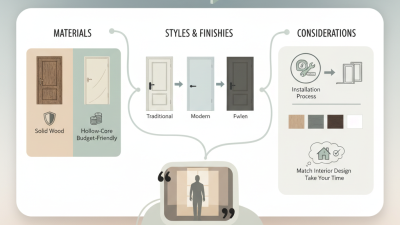
Style doors are popular worldwide because they shape a room before anyone notices the furniture. A paneled entrance can feel traditional; a flush, handleless door can make a compact space seem calmer. Color, grain, glass, and hardware all influence that first impression. Small details matter.
Industrial designer Charles Eames is often credited with the line, “The details are not the details. They make the design.” That idea helps explain the appeal of style doors: their proportions and finishes can connect a home’s interior with its architecture. A warm oak door beside pale walls feels different from a dark, sharply edged one. Neither choice is automatically better. The room, light, and daily use matter.
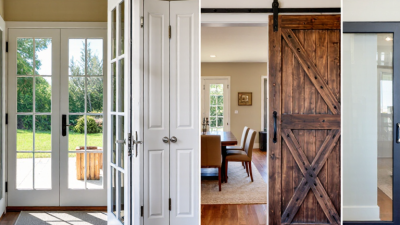
Practical needs matter, too. Families may favor durable surfaces that handle fingerprints and scuffs. In a narrow hallway, a sliding door can save floor space, while a glazed panel can bring daylight into a dim room. Yet popularity does not guarantee a good fit. A fashionable finish may date quickly, and an elaborate door can overwhelm a small interior. Sometimes the simplest option works best.
Across different regions, people adapt door designs to local materials, climate, building traditions, and changing tastes. That variety is part of their appeal. It also makes “style doors” a broad category, not one universal look. Choosing well means balancing appearance with privacy, maintenance, and how the space is actually used. That balance deserves a closer look.
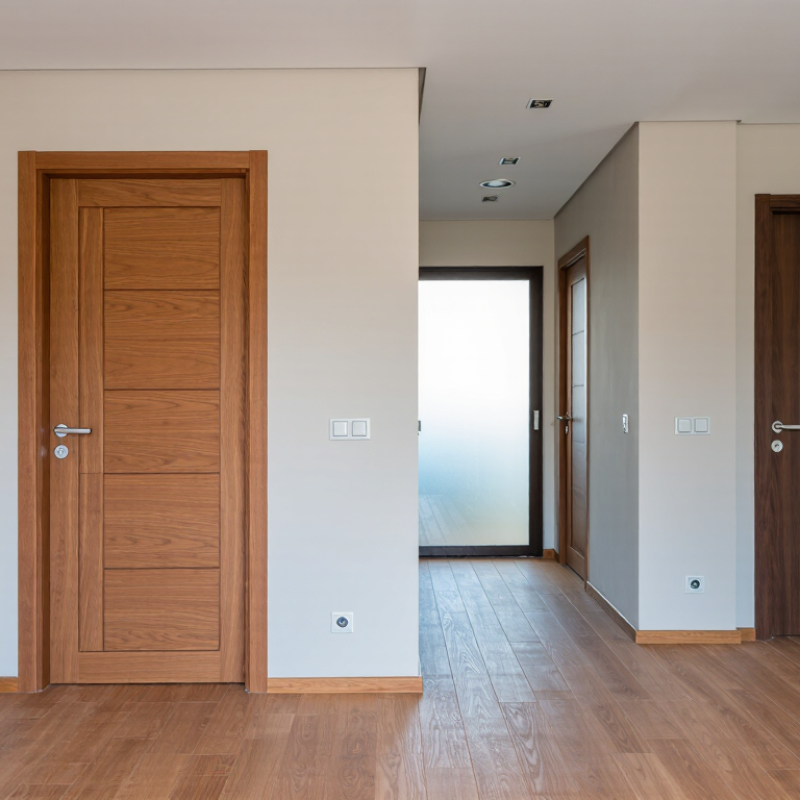
A style door is an interior or exterior door recognized by its visual language: shape, panel arrangement, surface, hardware, and glazing. It may be flat and quiet, or framed with raised panels and carved profiles. Style is not defined by decoration alone. Proportion matters. A narrow rail, a deep inset panel, or a row of clear glass can change how a door feels in a room.
Materials also shape the definition. Solid wood shows its grain and may be refinished, while engineered cores can offer greater dimensional stability as humidity changes. Glass panels bring daylight into hallways, but their placement affects privacy and cleaning. The frame, hinges, and handle should suit the door’s weight and everyday use. These details are easy to overlook.
A style door works best when its design relates to the building, rather than copying a trend without thought. Preferences vary across regions, homes, and building traditions. A simple panel door may suit a modern room; a more detailed profile can feel at home in a traditional interior. Yet labels are imperfect. One door can blend several influences, and people may describe it differently. Check how it opens, how much clearance it needs, and whether its finish can handle daily contact. The door should look considered, but also work on an ordinary Tuesday.
Style doors bring recognizable design details to homes and buildings, while offering choices that suit different architectural traditions, materials, and interiors.
What defines a style door? Its appearance—such as panel layout, glazing, proportions, and decorative details—connects it to a design tradition. The timeline shows approximate periods associated with influential styles; it is a historical overview, not a ranking of worldwide sales or popularity.
Style doors earn attention because they shape a room before furniture does. A slim glass panel can carry daylight into a dim hallway, while a painted timber door gives a bedroom a quieter, more private feel. The right design also supports everyday movement. A sliding door can save floor space beside a narrow wardrobe; a hinged door may offer a tighter seal against sound and cooking smells. Small details matter. Handle height, swing direction, and clear floor space affect comfort more than photographs suggest. Measure the opening and notice how people pass through it before choosing a look.
Materials influence both appearance and upkeep. Smooth finishes wipe clean quickly, while textured grain can soften a plain wall but may collect dust in grooves. Glass brings brightness, though its transparency may not suit every room. Frosted panels can balance light with privacy. Hardware should feel steady in the hand, and hinges must match the door’s weight. Installation quality matters too; an attractive door that scrapes the floor soon becomes frustrating. There is no perfect style. A bold design may look impressive in a showroom, then feel busy in a small home. It is easy to overlook a few inches of clearance, until the door catches a nearby chair.
Style doors are popular worldwide because they balance appearance with everyday use. Their materials shape the feel, weight, and maintenance needs of a room. Solid wood offers visible grain and a substantial closing sound, but it may expand or contract when humidity changes. Engineered wood can provide a steadier surface for paint or veneer. Steel and fiberglass suit some entrances, where resistance to weather and dents matters. No material is perfect.
Details matter, too. A tight perimeter seal can reduce drafts, while a solid core may soften sounds between rooms. Glass panels bring daylight into a hallway, though privacy and cleaning deserve thought. Check hinge quality, door alignment, and the clearance beneath the door before choosing a style. I have seen a beautiful door feel awkward simply because its swing conflicts with nearby furniture. That small detail is easy to miss.
Tips: Match the finish to the room’s light and use. Test a sample beside your flooring; colors can shift in morning sun. Ask how the surface should be cleaned, and whether the door needs periodic adjustment. A little planning helps, though real homes still surprise you.
Regional preferences shape doors through climate, privacy, light, and everyday routines. In humid coastal areas, stable materials and protective finishes can matter more than ornate details. In colder regions, a well-sealed door helps limit drafts around the frame. Small gaps are noticeable.
Light also changes design choices. Homes with narrow entrances may favor glazed panels that borrow daylight from nearby rooms. In busy urban neighborhoods, solid doors and carefully placed windows can offer privacy without making an entry feel closed. These choices are not universal; even neighboring homes may have different needs.
Local building traditions influence proportions, carvings, colors, and hardware. A broad entrance may suit a home where guests gather often, while a compact door can work better in a tight hallway. It is easy to overgeneralize a whole region’s style. That misses personal taste, renovation limits, and the daily wear a door must handle. Before choosing a design, consider the opening’s measurements, exposure to rain or sun, and how people move through the space. A beautiful door still needs to close smoothly.
Why Are Style Doors Popular Worldwide?
Why Style Doors Appeal to Homeowners Worldwide
A door shapes the first impression of a home, but its appeal is not only visual. A carefully chosen panel, a warm wood grain, or a narrow glass insert can make an entrance feel considered and personal. Small details matter. Homeowners often look for designs that suit both the building and the way people use it every day.
Style doors also offer practical choices. Solid panels can help create privacy in bedrooms, while glazed sections can bring daylight into a dim hallway. Sliding doors may save space where a door swing would interrupt furniture or foot traffic. In humid or sunny locations, material and finish matter too; a striking surface may need more upkeep than expected. Check measurements, clearance, and maintenance needs before deciding.
The right style can connect a home’s exterior with its interior, from a simple modern entry to a more traditional paneled look. Still, appearance is only part of the decision. A door that photographs beautifully may feel heavy, show marks easily, or clash with nearby trim. There is no perfect answer. Preferences, budgets, weather, and daily routines differ, so the most appealing choice is usually the one that feels right and works reliably in its setting.
| Appeal Factor | What Homeowners Value | Practical Benefit | Common Applications |
|---|---|---|---|
| Design variety | Doors are available in many profiles, finishes, colors, and panel arrangements. | Homeowners can coordinate a door with traditional, contemporary, or transitional interiors. | Interior rooms, entryways, and renovation projects |
| Privacy and separation | Solid panels create a visual barrier between rooms and help define separate areas. | Supports privacy in bedrooms, bathrooms, offices, and shared homes. | Bedrooms, bathrooms, home offices, and utility rooms |
| Daylight and visibility | Glazed panels allow light to pass between spaces while maintaining a physical division. | Can help brighten interior areas that receive limited natural light; the degree of privacy depends on the glass type and layout. | Hallways, kitchens, dining areas, and doors between indoor spaces |
| Material and construction choices | Options include timber, engineered wood, metal, and doors with glass components. | Different materials and constructions can suit different budgets, locations, and performance needs. | Interior partitions, exterior entrances, and specialist applications |
| Sound control | Door thickness, core construction, seals, and installation all affect sound transmission. | A well-fitted solid-core door can reduce sound transfer more effectively than a lightweight hollow-core door, though results vary by construction. | Bedrooms, study areas, and rooms where quieter conditions are preferred |
| Space-conscious configurations | Swing, sliding, folding, and pocket doors offer different ways to open and close a space. | Sliding or pocket designs can avoid the swing clearance required by a hinged door. | Closets, compact rooms, en-suites, and open-plan interiors |
| Durability and maintenance | Homeowners can choose finishes and materials suited to expected use and exposure. | Appropriate cleaning and maintenance can help preserve appearance; exterior doors need construction and finishes suited to local weather conditions. | High-use interior areas and building entrances |
| Safety and building requirements | Door selection can account for locking hardware, fire performance, accessibility, and local building rules. | Choosing a door for its intended location helps support safe and suitable use; requirements vary by jurisdiction and building type. | Entry doors, shared buildings, and designated fire-rated openings |