
10 Tips for Choosing the Best Fiberglass Doors?
Choosing the right fiberglass doors involves more than comparing colors and showroom prices. The decision affects security, weather resistance, energy performance, and daily comfort. According to Fortune Business Insights, the global fiberglass doors market was valued at approximately $11.09 billion in 2023 and may reach $17.62 billion by 2032. That growth reflects stronger demand for durable, low-maintenance entry systems.
Performance still matters most. The U.S. Department of Energy recommends checking whole-door energy ratings, not glass ratings alone. NFRC labels can help buyers compare U-factor and solar heat gain performance. A beautiful door can still perform poorly. That lesson is easy to miss.
“Your front door is the focal point of your home’s exterior,” says Kathy Krafka Harkema, a former senior brand manager at Therma-Tru. Her observation supports a practical approach: examine the slab, frame, weatherstripping, hinges, glass, and installation together. A door that looks substantial but has weak sealing may admit drafts around the threshold. Rain can expose another weakness.
This guide presents ten useful tips for choosing fiberglass doors, from measuring the opening to reviewing warranties and finish limitations. It also considers climate, maintenance habits, security hardware, and long-term value. Some recommendations may seem obvious. They are still commonly overlooked. Even experienced buyers can misjudge color fading or underestimate installation quality. That uncertainty deserves attention before signing an order.
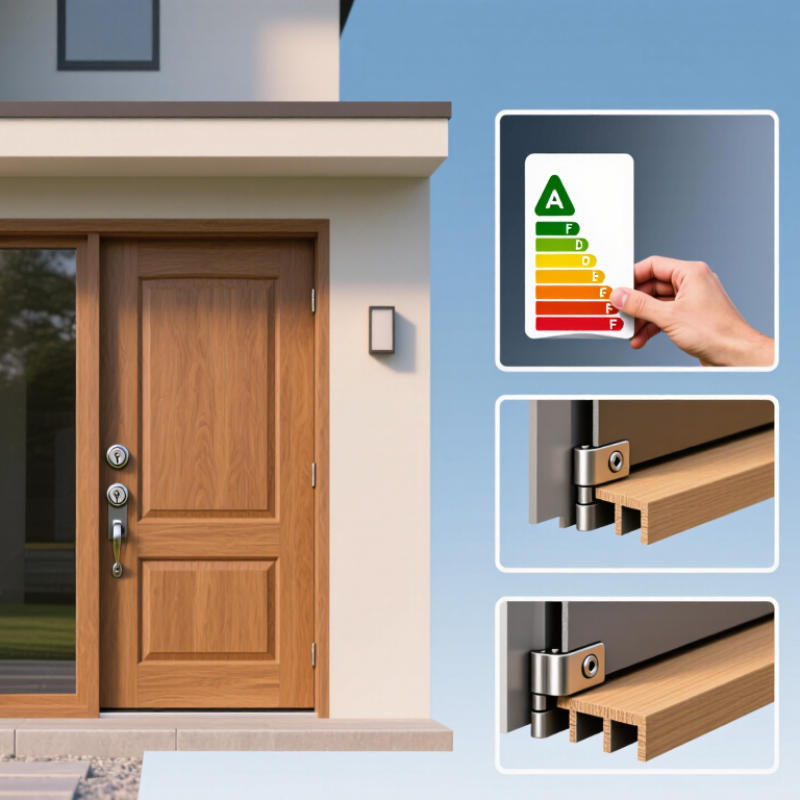
Table of Contents
[Hide]
Define Fiberglass Door Types and Check ENERGY STAR U-Factor Criteria
Choosing the best fiberglass door starts with identifying its type. Smooth fiberglass doors suit modern homes and accept paint well. Wood-grain fiberglass doors create a warmer appearance with less maintenance than real wood. Full-panel doors improve privacy, while doors with glass inserts add daylight but may reduce insulation. A foam-insulated core and durable weather seals also matter.
Tip: Compare the entire door system, not only the slab. Ask about the frame, threshold, glass package, and installation method. A well-rated door can perform poorly if installers leave gaps near the sill. Check the NFRC label for tested U-factor values. Lower U-factor generally means better resistance to heat transfer. ENERGY STAR requirements can differ by product type and climate zone, so verify the current criteria for your location.
Measure carefully before ordering. A small error can create uneven reveals, air leakage, or difficult locking. I have found that homeowners often focus on decorative glass and overlook the threshold. That choice can affect comfort near the floor. Consider low-emissivity glazing, tight compression seals, and proper flashing around the opening. The most attractive option is not always the most efficient one. Recheck the rating after installation.
10 Tips for Choosing the Best Fiberglass Doors? - Define Fiberglass Door Types and Check ENERGY STAR U-Factor Criteria
| Fiberglass Door Type | Core and Construction | Typical Glazing Configuration | Common U-Factor Range (Btu/h·ft²·°F) |
ENERGY STAR U-Factor Check | Best Use | Selection Tips |
|---|---|---|---|---|---|---|
| Solid-Core Fiberglass Entry Door | Fiberglass skins over a polyurethane or polystyrene insulating core; minimal thermal bridging. | Opaque slab with no glass. | Approximately 0.10–0.20 | Look for a whole-door U-factor of 0.17 or lower when an ENERGY STAR-certified hinged entry door is required. | Cold, mixed, and hot climates where energy efficiency and security are priorities. | Confirm that the rating applies to the complete door assembly, not only the slab. |
| Insulated Panel Fiberglass Door | Raised or recessed fiberglass panels with an insulated core and perimeter frame. | Usually opaque; optional small decorative glass. | Approximately 0.12–0.22 | A lower U-factor indicates better resistance to heat flow; compare the NFRC-certified whole-unit value with the applicable ENERGY STAR limit. | Main entrances exposed to winter winds or strong summer heat. | Check the frame material, sill design, weatherstripping, and compression seals. |
| Half-Lite Fiberglass Door | Insulated fiberglass lower panel combined with a glazed upper section. | Typically one insulated glass panel occupying about the upper half of the door. | Approximately 0.20–0.32 | The glass, spacer, frame, and door slab all affect the final U-factor; use the whole-unit NFRC label. | Entrances that need daylight while retaining a substantial insulated panel. | Choose double-pane or triple-pane low-emissivity glass for improved insulation. |
| Full-Lite Fiberglass Door | Fiberglass frame and perimeter rails surrounding a large insulated glass unit. | Glass covers most of the door area. | Approximately 0.25–0.38 | Large glazed areas can make the U-factor higher; verify the complete door assembly rather than the center-of-glass value. | Bright entrances where natural light and exterior visibility are important. | Review both U-factor and solar heat gain coefficient, especially in warm climates. |
| Fiberglass French Door Pair | Two hinged fiberglass leaves with a meeting stile, hinges, and an adjustable sill. | Often full-lite or half-lite insulated glass. | Approximately 0.22–0.36 | Check the rated configuration as installed, including the meeting stile and sill; field leakage can affect comfort. | Wide openings, patios, dining areas, and indoor-outdoor transitions. | Verify multipoint locking, alignment, astragal seals, and sill drainage. |
| Fiberglass Sliding Patio Door | Sliding panels with insulated fiberglass or composite frames and rolling hardware. | Large double-pane or triple-pane glass panels. | Approximately 0.25–0.38 | ENERGY STAR-certified sliding glass doors commonly use a maximum U-factor of 0.30; confirm the current regional requirement and certification label. | Patios and rooms requiring a large opening with convenient sliding operation. | Inspect roller adjustment, interlocking seals, lock engagement, and sill water management. |
| Decorative-Glass Fiberglass Door | Insulated fiberglass slab with textured, privacy, or decorative glass inserts. | Small to medium decorative glass insert; glass may be double-pane. | Approximately 0.18–0.32 | Decorative glass may increase heat transfer; confirm the NFRC U-factor for the selected glass and frame combination. | Homes needing privacy, daylight, and architectural detail. | Use low-emissivity glass and insulated glazing spacers where available. |
| ENERGY STAR U-Factor Reference | U-factor measures the rate of heat transfer through the complete door product. | The rating may include the slab, frame, glazing, sill, and hardware configuration. | Lower is better; the value is expressed in Btu/h·ft²·°F. | As a practical screening point, check for approximately 0.17 or lower for certified hinged entry doors and approximately 0.30 or lower for certified sliding glass doors. Always verify the current ENERGY STAR requirements and NFRC label. | Any climate where reduced conductive heat transfer and lower heating or cooling demand are desired. | Do not compare U-factors with different test configurations; compare like-for-like whole-unit ratings. |
Note: U-factor ranges shown are general performance bands for common fiberglass door configurations, not guarantees for every product. The final value depends on the complete assembly, glazing area, frame, sill, weatherstripping, and installation. Lower U-factor values indicate better insulation.
Related Posts
-
2026 Best Fiberglass Doors for Global Buyers
-
How to Choose Fiberglass Doors for Global Projects?
-
How to Choose the Best Fiberglass Doors for Your Home Needs
-
The Best 10 Fiberglass Doors for Your Home in 2026
-
Top 10 Benefits of Fiberglass Doors for Homeowners?
-
Top 10 Fiberglass Doors in China What Are Your Options?