
What Type of Windows Is Best for Your Home?
Choosing windows for your home is not simply a matter of appearance. The right design should support comfort, energy efficiency, security, and everyday use. A bright south-facing room may benefit from low-emissivity glass, while a shaded bedroom might need larger panes for natural light. Casement windows often provide strong ventilation because their sashes open outward. Double-hung windows can be easier to clean, especially in traditional homes. Sliding windows save space, but their airflow may feel limited. Small details matter.
There is no single best window for every property. Climate, wall direction, frame material, glass performance, and installation quality all influence the result. In my experience, homeowners often focus on frame color first. That can be a costly distraction. A beautiful window will not perform well if its seals, flashing, or drainage are poorly installed. Look for tested energy ratings and ask qualified installers about local weather conditions. Check how the window operates with furniture nearby. Notice the afternoon glare on the floor. Hear the street noise.
A careful choice lasts longer.
Vinyl frames can offer practical value, while wood provides warmth but requires regular maintenance. Fiberglass and composite options may deliver strength with less upkeep, though prices vary. Manufacturer claims should be reviewed alongside independent certifications and clear warranties. Even experienced homeowners can overlook ventilation, emergency egress, or future maintenance needs. Reflecting on those issues before ordering may prevent frustration later. The best windows for your home should fit your building, habits, budget, and expectations—not just a showroom display.
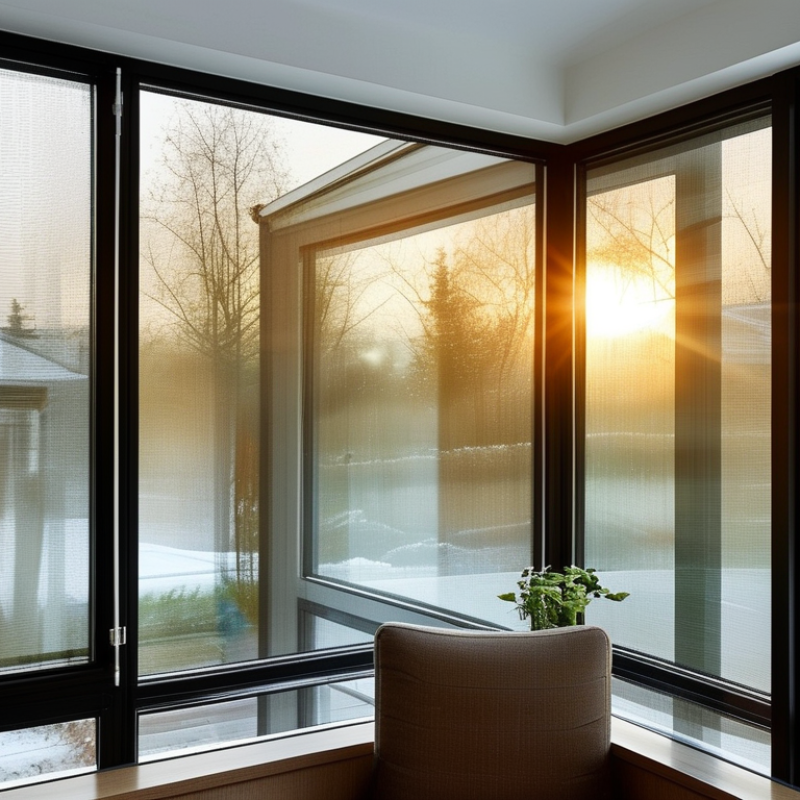
Table of Contents
[Hide]
Window Types and How They Differ
Choosing the right window starts with how each type opens, seals, and uses space. Single-hung windows have one moving sash, while double-hung windows allow both sashes to move. That difference improves airflow and makes upper glass easier to clean from inside. Casement windows swing outward on hinges. They catch cross-breezes well, but nearby shrubs or walkways can limit their operation.
Sliding windows move horizontally along a track. They need little clearance and suit rooms facing patios or narrow exterior areas. However, their seals and tracks can collect dust over time. Awning windows hinge at the top and open outward, helping ventilation during light rain. They are practical above sinks, although reaching the handle may be awkward. Picture windows remain fixed. They provide broad views and strong daylight, but they cannot ventilate a room.
Bay and bow windows project beyond the wall, creating a small interior ledge and a wider view. Their added structure may require more careful installation and maintenance. Fixed windows often pair with opening windows to balance light, airflow, and energy performance. I once assumed the largest glass area was always best. That was too simple. A bright room can still feel uncomfortable if it overheats or lacks fresh air.
In older homes, matching the existing frame matters as much as choosing the window style. Measure the opening, inspect surrounding wood, and consider how often the glass will be cleaned. A secure lock, smooth movement, and an even seal are practical signs of quality. Test the handle yourself. Small details matter.
What Type of Windows Is Best for Your Home? - Window Types and How They Differ
| Window Type | How It Operates | Ventilation | Energy Efficiency | Main Advantages | Limitations | Best For |
|---|---|---|---|---|---|---|
| Single-Hung | The lower sash moves vertically while the upper sash remains fixed. | Moderate; air enters through the lower opening. | Generally good because there are fewer moving parts and seals. | Simple design, usually lower purchase cost, and easy operation. | The exterior side of the upper sash cannot be opened from inside for cleaning. | Budget-conscious projects, apartments, and rooms with standard window openings. |
| Double-Hung | Both the upper and lower sashes slide vertically. | Good; opening both sashes can create a useful convective airflow. | Good when fitted with quality weatherstripping and insulated glazing. | Both sashes can often tilt inward, making interior cleaning easier. | More tracks, balances, and moving components can require maintenance over time. | Bedrooms, living rooms, traditional homes, and spaces needing flexible ventilation. |
| Casement | The sash is hinged at the side and opens outward with a crank or handle. | Excellent; the open sash can direct breezes into the room. | Often very good because the sash presses against the frame when closed. | Strong ventilation, unobstructed glass area, and an effective compression seal. | Requires clearance outside and may be unsuitable where an outward-opening sash could obstruct a walkway. | Energy-conscious homeowners, kitchens, and rooms where airflow is a priority. |
| Awning | The top edge is hinged, allowing the bottom of the sash to open outward. | Good; it can provide ventilation while the overhanging sash helps shield the opening from light rain. | Often very good when the sash closes tightly against the frame. | Useful for controlled airflow and ventilation during mild weather. | The outward-opening sash needs exterior clearance and may be difficult to reach when installed high. | Bathrooms, basements, high wall openings, and rainy climates. |
| Sliding | One or more sashes move horizontally along tracks. | Moderate; typically only part of the opening can be used for ventilation. | Moderate to good, depending heavily on track design and weatherstripping. | Easy to operate, space-saving, and suitable where outward-opening windows are not practical. | Tracks can collect dirt, and the opening area is usually smaller than the total glass area. | Wide openings, patios, rooms near walkways, and accessible designs. |
| Picture / Fixed | The glass unit does not open. | None; ventilation must come from another window or mechanical system. | Often excellent because the frame has no operating gaps or moving hardware. | Maximum daylight, clear views, and a simple low-maintenance design. | Cannot provide natural ventilation or serve as an emergency escape opening. | Living rooms, stairwells, scenic views, and window combinations with operable units. |
| Bay or Bow | A projection made from multiple windows angled or curved outward from the exterior wall. | Varies; ventilation depends on whether the individual units are fixed, double-hung, casement, or another operable style. | Varies by configuration; more joints and units can increase air-leakage risks if poorly installed. | Adds interior space, broadens views, and brings in light from several directions. | Usually more complex and costly to install; requires careful structural and weatherproofing work. | Living rooms, dining areas, and renovation projects seeking architectural character. |
| Hopper | The bottom edge is hinged and the top of the sash tilts inward. | Good for a compact opening, although the inward tilt limits the usable opening area. | Often good because the sash presses against the frame when closed. | Compact, secure, and well suited to below-grade installations. | The inward-opening sash occupies interior space and may be less convenient above furniture. | Basements, utility rooms, and small spaces requiring ventilation. |
Note: Actual performance depends on frame material, glazing layers, low-emissivity coatings, gas fills, weatherstripping, installation quality, climate, and local building requirements.
Related Posts
-
How to Choose Windows for Home?
-
2026 Top Home Windows Options for Global Buyers?
-

Issues Faced When Choosing Residential Doors and Windows for Your Home
-

Ultimate Guide to Choosing the Perfect Style Windows for Your Home
-

Unique House Windows Examples That Enhance Your Home Aesthetic
-
How to Choose the Best Exterior Doors for Your Home?