How to Choose Windows for Home?
Choosing windows for home is not simply a matter of matching frames to wall colors. A window affects daylight, ventilation, indoor comfort, energy use, and long-term maintenance. The right choice depends on your climate, wall design, household habits, and budget. A large south-facing window may brighten a living room, but it can also create uncomfortable afternoon heat without suitable shading.
Building scientist Joseph Lstiburek, founder of Building Science Corporation, often states, “A building is a system.” His point is essential when selecting windows for home. Glass, frames, flashing, insulation, air sealing, and exterior shading must work together. A highly efficient window can still perform poorly if installers leave gaps around the frame. That detail is easy to overlook.
Start with the room itself. A bathroom may need privacy glass and reliable ventilation. A bedroom may benefit from quieter laminated glass near a busy road. In cold regions, compare U-factor and air leakage ratings. In hot climates, examine solar heat gain coefficient and exterior shading options. Look beyond labels. Ask how the window will be cleaned, repaired, and protected from driving rain.
No window is perfect.
Even experienced homeowners can choose attractive products that feel wrong after installation. I have seen narrow openings limit fresh air, and oversized glass make furniture placement awkward. This guide will examine window styles, frame materials, glazing, energy ratings, installation quality, and realistic costs. It will also question popular assumptions, because the cheapest quote and the highest performance rating do not always produce the best home.
Assess Your Home’s Window Needs
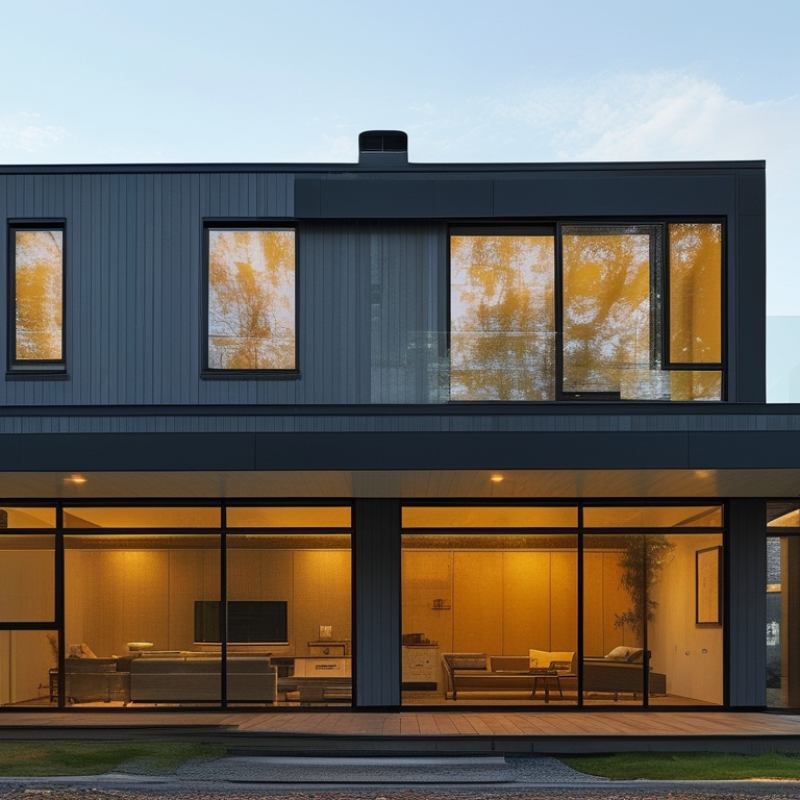
Choosing windows should begin with your home, not a showroom display. Walk through each room at different times of day. Note glare, drafts, outside noise, and condensation on the glass. A south-facing bedroom may need solar control, while a shaded bathroom needs privacy and ventilation. Small details matter.
Measure each opening carefully, but do not assume every window is square. Older houses often settle. Record width, height, wall depth, and nearby obstructions, such as curtains, radiators, or cabinets. A professional installer should verify these measurements before ordering. One inaccurate number can create expensive delays.
Match operation to daily use. Casement windows can catch breezes, while sliding styles suit limited exterior space. Awning windows may ventilate during light rain. In a child’s room, consider opening limits and secure hardware. For upper floors, plan cleaning access and emergency escape routes according to local building requirements.
Glass selection needs equal attention. Double glazing can improve comfort, but performance depends on frames, seals, installation, and climate. Ask for documented energy data instead of vague claims. In cold regions, inspect condensation risk. In hot regions, assess heat gain and fading. Noise reduction also depends on glass thickness and air gaps.
Budget for installation and maintenance, not only the window unit. I once focused too heavily on low purchase cost and overlooked difficult access. That choice looked sensible on paper, yet labor and future upkeep changed the calculation.
Reconsider the plan after observing your home for a week. Your first assumption may be wrong.
Compare Window Materials and Frame Designs
How to Choose Windows for Home?
Window materials affect comfort, maintenance, cost, and service life. Vinyl frames resist moisture and usually require little upkeep. They suit many budgets, but low-quality profiles may warp in intense heat. Wood offers warmth and strong insulation. It needs regular painting or sealing, especially on exposed exterior surfaces. Aluminum frames are slim and durable, yet they conduct heat unless they include a reliable thermal break. Fiberglass frames resist expansion and shrinking, although their upfront cost can be higher.
Frame design changes how a room feels and functions. Casement windows open outward and can catch passing breezes. Double-hung windows allow ventilation from the top and bottom, which helps in bedrooms. Sliding windows need less exterior clearance, but their tracks can collect dust. Fixed windows provide clear views and strong daylight. They do not provide ventilation.
Check the whole window, not just the frame. Look for tested U-factor, solar heat gain coefficient, and air-leakage ratings. A lower U-factor generally means better insulation. In sunny rooms, glass with a suitable solar heat gain rating can reduce overheating. Installation quality matters just as much. Even an efficient window may perform poorly around an uneven opening. Measure wall depth, drainage paths, and nearby furniture before ordering. I once underestimated how far a casement sash would project. The window worked, but it nearly touched the garden gate. Small details deserve attention.
Choose the Right Glass and Energy Features
How to Choose Windows for Home?
Choosing the right glass can change indoor comfort, energy use, and even morning glare. I once selected large clear windows for a bright living room. The view was beautiful, but summer heat quickly became uncomfortable. That choice was not ideal.
Double glazing suits many homes, while triple glazing can improve insulation in colder climates. Low-emissivity coatings help reflect indoor heat during winter. They can also reduce solar heat entering during summer. Ask for the window’s U-factor and solar heat gain coefficient. A lower U-factor usually means better insulation. The right solar heat gain level depends on your climate and window direction. South-facing glass may need different performance from shaded north-facing glass. Argon-filled spaces can improve insulation, but installation quality still matters. Small gaps can waste the benefits.
Do not ignore visible light and air leakage ratings. A highly efficient window may make a room feel dim if its glass transmits little daylight. Check the frame, seals, spacers, and drainage details. Certified performance labels offer useful evidence, though real results depend on fitting and maintenance. A trusted installer should explain these numbers clearly, not simply promise lower bills. I would also inspect samples in natural light before ordering. Online images can be misleading. In my experience, comfort matters more than chasing the highest specification. Budget, local weather, shading, and room use should guide the final decision.
How to Choose Windows for Home: Glass and Energy Features
Representative performance values for common residential window glazing options. A lower U-factor indicates better insulation, while SHGC shows how much solar heat enters through the glass.
For colder climates, prioritize a low U-factor to reduce heat loss. In sunny or warm climates, a lower SHGC can help limit unwanted solar heat gain. Low-emissivity coatings and multiple panes generally improve energy performance compared with single clear glass.
Review Installation, Maintenance, and Long-Term Costs
How to Choose Windows for Home?
Review Installation, Maintenance, and Long-Term Costs
Window selection should begin with installation, not appearance. A well-made window can still perform poorly if the opening is uneven or poorly sealed. Ask the installer how the frame will be measured, supported, flashed, and insulated. Request written details about labor, disposal, interior repairs, and local inspection requirements. These small items often affect the final bill.
I have seen homeowners focus on the purchase price and overlook access problems. A second-floor window may require scaffolding or special lifting equipment. That changes the budget quickly. Before work begins, check whether surrounding trim, plaster, or siding must be removed. Confirm the expected installation time and how the room will be protected from dust and rain.
Maintenance also shapes long-term value. Choose surfaces that can be cleaned safely from inside when possible. Inspect seals, drainage paths, locks, and exposed joints every year. Replace damaged weatherstripping early. Small repairs cost less. However, energy savings are not guaranteed. They depend on orientation, shading, ventilation, and installation quality. Ask for performance documents, but treat projected savings as estimates, not promises. A professional assessment may reveal that attic insulation or air leakage deserves attention first. I once underestimated this point. The cheaper window was not the cheapest decision.
How to Choose Windows for Home? - Review Installation, Maintenance, and Long-Term Costs
| Window Type |
Typical Frame Material |
Typical Installed Cost
per Window (USD) |
Expected Service Life |
Annual Maintenance |
Energy Efficiency |
Installation Considerations |
Long-Term Cost Notes |
| Double-Hung |
Vinyl, wood, fiberglass, or composite |
$450–$1,200 |
20–40 years |
Low to moderate |
Good to very good |
Usually straightforward for standard openings; check opening measurements and sill condition. |
Balanced initial price and operating performance. Wood may require periodic painting or sealing. |
| Casement |
Vinyl, fiberglass, aluminum-clad wood, or composite |
$600–$1,500 |
20–40 years |
Low |
Very good |
Requires sufficient clearance for the operating sash and careful alignment of hinges and locking hardware. |
Typically offers a tight seal when closed, which can reduce drafts. Hardware replacement may add cost over time. |
| Sliding |
Vinyl, aluminum, fiberglass, or composite |
$400–$1,100 |
20–35 years |
Low |
Moderate to good |
Needs a level frame and clean, unobstructed tracks; suitable where exterior clearance is limited. |
Often economical to install. Rollers, tracks, and weatherstripping may need service as they age. |
| Awning |
Vinyl, fiberglass, aluminum-clad wood, or composite |
$550–$1,400 |
20–40 years |
Low |
Very good |
Confirm that the outward-opening sash will not interfere with walkways, shutters, or nearby structures. |
Good air sealing and ventilation potential. Operating hardware should be inspected periodically. |
| Picture |
Vinyl, fiberglass, aluminum, wood, or composite |
$500–$1,800 |
25–45 years |
Very low |
Good to excellent |
Installation is generally simple, but the opening cannot provide natural ventilation or emergency egress. |
Few moving parts reduce maintenance. Larger panes can increase glass replacement costs. |
| Bay or Bow |
Vinyl, fiberglass, wood, or composite |
$2,000–$6,500 |
20–40 years |
Moderate |
Moderate to very good |
May require structural support, interior finishing, exterior weatherproofing, and more labor than standard windows. |
High upfront and potential repair costs, but adds interior space, daylight, and architectural value. |
Cost and performance note: Prices are broad U.S. residential estimates for standard replacement projects and can vary by size, location, labor, glazing, permits, structural repairs, and interior or exterior finishing. Actual energy savings depend on climate, window orientation, air leakage, shading, and household heating and cooling patterns.