2026 Best French Windows for Global Buyers?
Choosing french windows for an international project is not just a style decision. It affects daylight, ventilation, security, comfort, and long-term maintenance. Architect Ludwig Mies van der Rohe’s famous maxim, “Less is more,” offers a useful design lens: elegant frames should not distract from the view or the building. But minimal profiles still need careful engineering.
This 2026 guide helps global buyers compare materials, opening styles, glazing, finishes, and supplier capabilities. It considers how coastal salt, strong sun, heavy rain, and cold winters can shape a specification. A slim aluminum frame may suit one project, while timber or a composite option may better fit another. Ask suppliers for documented performance data, warranty terms, installation guidance, and samples you can inspect in natural light. Small details matter. Check handle movement, frame corners, drainage paths, and how the doors meet the threshold.
There is no single best choice for every country or home. Local climate, building design, maintenance access, and available service support all influence the result. Product standards also vary by market, so verify applicable requirements with qualified local professionals. A polished brochure is not proof of performance. Nor is a low price proof of poor quality. That sounds tidy. Real projects are messier. This guide weighs practical evidence alongside appearance, helping buyers ask better questions before they order french windows.
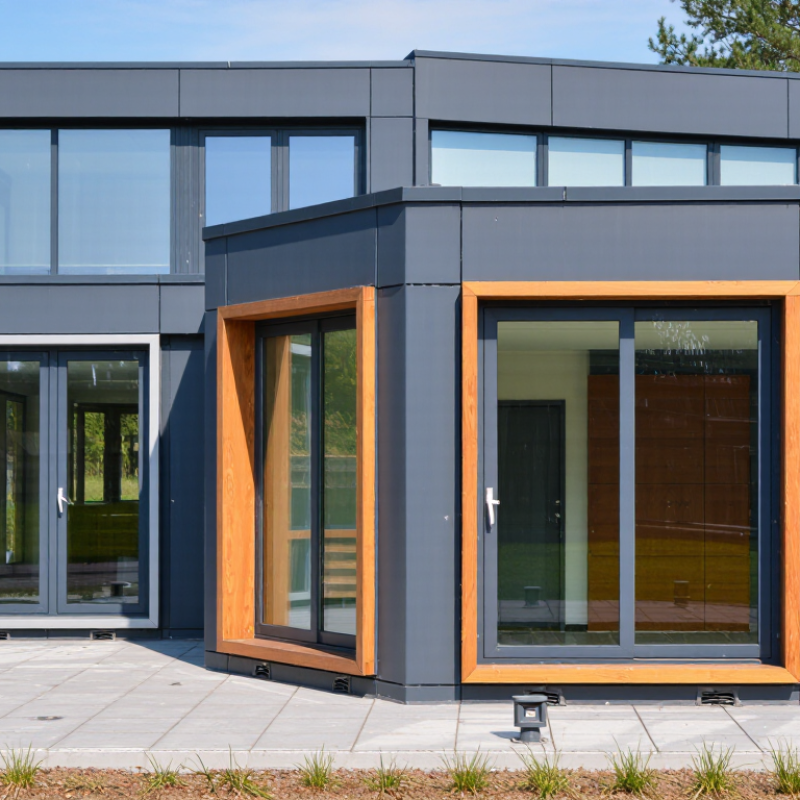
What Defines a French Window in 2026?
In 2026, a French window generally refers to a pair of full-height glazed doors set in a shared frame. The two leaves are usually hinged at the sides and meet in the middle. When open, they create a broad passage to a balcony, terrace, or garden. That distinction matters. A sliding door may offer similar views, but it does not open in the same way.
The term is not used consistently everywhere, so check the actual configuration rather than relying on the label. Look at the frame, opening direction, locking points, and threshold height. Glass area brings daylight into a room, but the frame and seals help limit draughts and rain. Ask for tested thermal and weather-performance figures suited to the project’s climate.
Small details matter. A low threshold can ease access, yet it must still manage water where the doorway faces exposed weather. Material choice also affects upkeep: painted timber may need periodic care, while other frame materials have different maintenance needs.
A sample corner or full-size drawing can reveal awkward handle positions before installation. I would not assume one design fits every home; local exposure and the existing opening can change what works.
Which French Window Styles and Opening Types Are Available?
French windows are usually paired casements that meet at the center, creating a wide, unobstructed opening when both sashes swing inward or outward. A single casement suits narrower spaces, while fixed French-style windows provide the look without ventilation. Tilt-and-turn versions offer two options: tilt the sash inward for controlled airflow, or swing it open for access and cleaning. That matters.
The U.S. Department of Energy estimates that windows account for about 25–30% of residential heating and cooling energy use. Its Energy Saver guidance makes clear why opening style should be considered alongside glazing and frame performance. NFRC labels help buyers compare U-factor and solar heat gain coefficient, rather than relying on vague claims such as “energy efficient.” A wide outward-opening pair may work well over a garden, but could conflict with a narrow path or exterior screen. Inward-opening units can take up room near curtains, furniture, or a kitchen tap. Small details matter. A catalogue drawing rarely shows the handle’s reach or the space needed for a sash to clear a deep reveal. Those measurements deserve checking before choosing a configuration.
French Window Styles and Opening Types
Compare common configurations by the number of operable sashes. Counts describe each configuration—not market share or a recommended maximum.
A paired French casement typically has two side-hinged leaves that open outward. Single casement and tilt-and-turn designs have one operable sash; fixed glazing has none. Available configurations, dimensions, and hardware vary by supplier and local building requirements.
How Do Frame Materials Affect Performance and Maintenance?
Frame material affects how French windows hold heat, resist weather, and age around daily use. Timber frames provide natural insulation and suit traditional façades, but exposed edges need regular paint or protective treatment. In wet climates, neglected joints can swell or let water reach the frame. Small details matter.
Aluminum is strong and allows slim sightlines, useful when a room needs more daylight. Choose frames with a thermal break; without one, indoor surfaces may feel cold and collect condensation in chilly weather. Coastal buyers should also check the finish’s resistance to salt and moisture. uPVC usually needs little upkeep: washing with mild soap is often enough. However, intense sun can stress lower-quality profiles, and wider frames may reduce the glass area.
For global buyers, compare complete window specifications, not material labels alone. Glazing, weather seals, drainage paths, and installation all affect real performance. Ask how the frame handles local humidity, temperature swings, and wind-driven rain. No material wins everywhere. Maintenance claims can sound simpler than life becomes; inspect corners and seals after the first season, then adjust the care schedule.
What Features Matter Most for Buyers in Different Climates?
For global buyers, climate should shape the specification of French windows as much as appearance. Start with the room’s exposure: a shaded courtyard and a west-facing bedroom face different demands. Check frame insulation, glazing, weather seals, and how fully the doors open. Small details matter.
In cold regions, insulated frames and double or triple glazing can reduce heat loss and condensation. Warm-edge spacers and well-fitted seals help keep the glass edges warmer. In hot, sunny climates, low solar-gain glazing or exterior shading can limit overheating. A window that blocks too much sunlight may also make a room feel dim, so balance matters.
Humid or coastal settings call for durable finishes, corrosion-resistant hardware, and clear drainage paths. Wind-exposed homes may need stronger glazing and tested performance ratings suited to local conditions. Ask for documented specifications, not just broad claims, and confirm installation details with a qualified local professional. The frame can be excellent, yet poor fitting still invites drafts and water leaks. No single package suits every climate; buyers can also overfocus on glass while overlooking the sill, seals, and everyday maintenance.
How Can Global Buyers Compare French Window Options?
French windows can open inward or outward, with two hinged leaves that create a wide passage to a balcony or garden. Compare the actual opening direction, clear width, and swing space, not just photographs. A dining chair or curtain may block a leaf. Details matter.
Look at frame material, glazing, and hardware together. Timber offers a warm finish but needs regular care, especially on exposed elevations. Aluminium is slim and sturdy, while composite frames may balance insulation and maintenance. Ask for the whole-window thermal rating, not only the glass figure. For windy or cold sites, check seals, drainage, and suitable double or triple glazing. More panes are not automatically better; weight, sunlight, and local climate also affect comfort.
Request drawings, installation details, warranty terms, and a quote that separates the frame, glass, hardware, and fitting. Confirm how the installer will flash the sill and seal the wall opening. A good product can perform poorly if the reveal is uneven or water has no exit path. Not always. Comparing brochures alone can feel precise, yet measurements taken on site often change the choice. Ask how service parts are sourced and what routine adjustment the hinges may need. A slightly less ornate window may suit daily use better.