Top Windows for Home in 2026 What to Look For?
As homeowners look ahead to 2026, the choice of windows for home becomes increasingly significant. Windows not only enhance the aesthetic appeal but also influence energy efficiency, safety, and comfort. Selecting the right windows involves understanding the latest trends, technologies, and materials that will dominate the market.
Market trends suggest a shift toward energy-efficient models that prioritize sustainability. Homeowners are considering not just style but also functionality. Advanced features like triple glazing and smart technology are now in demand. These factors suggest a growing awareness of long-term benefits and home value.
Yet, choosing windows for home can be overwhelming. A variety of options exists, each with unique benefits. Homeowners may have doubts about what works best for their needs. Taking time to explore various possibilities is crucial. Understanding cost versus value can reshape decisions and lead to smarter investments. Let’s dive deeper into what to consider when selecting the best windows for home in 2026.
Top Trends in Window Materials for 2026: A Data-Driven Overview
As we look towards 2026, window materials are experiencing significant shifts. Homeowners are increasingly prioritizing energy efficiency and sustainability. Advanced materials such as fiberglass and composite options are gaining traction. These materials are not only durable but also provide superior insulation. This enhances a home's energy performance, making it an attractive choice for eco-conscious consumers.
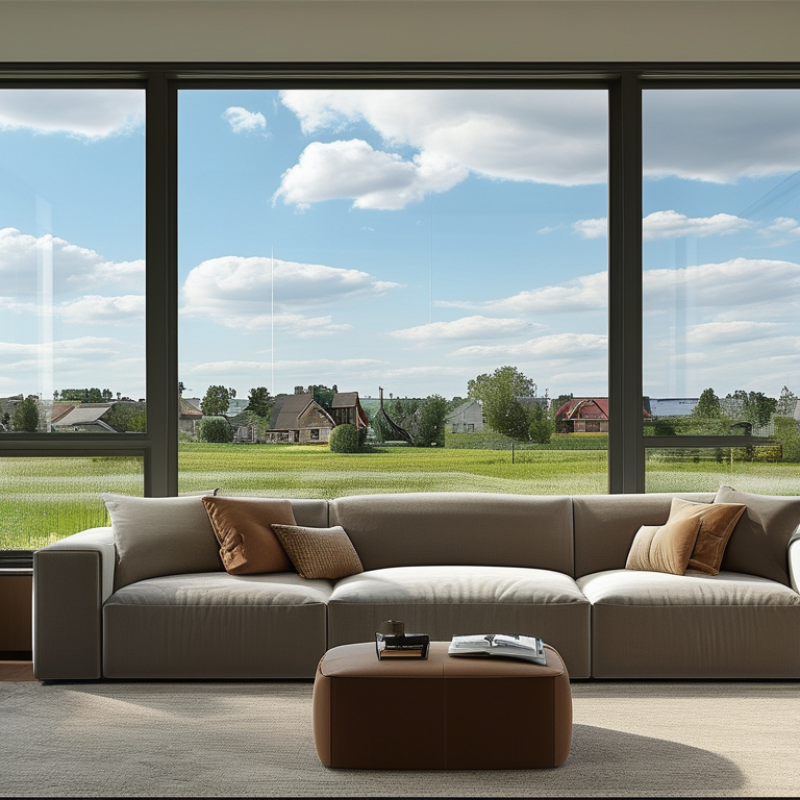
Moreover, the trend in window design is shifting towards sleek, minimalist aesthetics. Homeowners seek larger glass areas that allow more natural light. This trend calls for materials that are both lightweight and strong. Innovations in manufacturing techniques have made it possible to achieve these requirements. However, it's essential to assess the balance between beauty and practicality, as not all lightweight materials provide efficient insulation.
On the monetary side, while investing in high-quality materials may seem daunting, the long-term benefits are evident. Lower energy bills and reduced maintenance costs can offset initial expenses. Yet, it’s crucial to research and consult with experts to make informed decisions. Not every window option suits all climates, hence careful consideration is necessary for best results.
Top Windows for Home in 2026 - Key Trends in Window Materials
| Window Material |
Energy Efficiency Rating |
Durability (Years) |
Cost per Unit ($) |
Trend Factor |
| Vinyl |
A+ |
30 |
250 |
High |
| Aluminum |
B |
40 |
300 |
Medium |
| Fiberglass |
A |
50 |
350 |
Very High |
| Wood |
A- |
20 |
400 |
Low |
| Composite |
A |
35 |
320 |
High |
Energy Efficiency Standards for Home Windows: What to Expect in 2026
As we look ahead to 2026, home windows will play a crucial role in energy efficiency. New standards are set to emerge, pushing manufacturers towards more sustainable options. These standards will likely focus on improving thermal performance. Homeowners should prepare for advancements in materials that minimize heat loss. Expect to see windows that provide better insulation, which can lead to significant energy savings.
Incorporating innovative glazing techniques will also be a priority. Multiple layers of glass combined with inert gases will enhance performance. This change could mean a higher initial investment. However, the long-term benefits often outweigh the costs. Enhanced energy efficiency can significantly reduce utility bills.
Moreover, awareness around eco-friendly production processes is growing. Look for windows that utilize recycled materials. These materials not only benefit the environment but also meet regulatory requirements. However, transitioning to these materials can pose challenges for manufacturers. Balancing cost and sustainability remains a point for reflection within the industry. As we approach 2026, staying informed about these developments will be essential for homeowners.
Top Windows for Home in 2026: Energy Efficiency Standards
This chart illustrates the projected energy efficiency ratings (U-Value) for home windows from 2022 to 2026. Lower U-Values indicate better insulation properties, making windows more efficient over time as regulations evolve.
Innovations in Window Technology: Smart Features to Watch For in 2026
As we move closer to 2026, window technology continues to evolve, inspiring remarkable innovations.
Smart windows are becoming a staple in home design. These windows can adjust their tint based on sunlight,
enhancing energy efficiency. Homeowners will appreciate features like automated temperature regulation,
which keeps interiors comfortable year-round.
There’s an intriguing development in the integration of smart home systems.
Windows can now connect to your devices, allowing remote control through apps.
Imagine adjusting your window tint or opening them without leaving your seat.
This level of connectivity adds convenience and enhances the user experience.
For those considering a window upgrade, think about installing windows that offer self-cleaning technology.
This feature uses sunlight to break down dirt and grime, simplifying maintenance.
It’s practical and saves time. Also, look for windows with advanced insulation properties.
These can significantly reduce energy costs while increasing comfort in your home.
The technology may not be perfect yet, but these innovations push boundaries and promise a smarter future.
The Impact of Climate Change on Window Design: Adapting for 2026
Climate change is reshaping the way we design windows for homes. By 2026, energy efficiency will be crucial. Highly insulated windows can help regulate indoor temperatures, reducing reliance on heating and cooling systems. This shift will make homes more sustainable and economically viable.
Smart technology will also play a role in window design. Automated systems can adjust window openings based on weather conditions. Such innovations could enhance ventilation and improve indoor air quality. Homeowners should look for windows that integrate these technologies seamlessly. A blend of functionality and aesthetic appeal is key for modern homes facing environmental challenges.
Keep in mind the importance of materials. Window frames made from recycled or sustainable resources are becoming increasingly popular. They offer durability while minimizing environmental impact. Selecting high-performance glazing can also improve energy conservation. Homeowners need to weigh the upfront costs against long-term savings on energy bills. This thoughtful approach can lead to better choices in window investments.
Cost Analysis: Budgeting for New Home Windows in a Post-Pandemic Era
In a post-pandemic world, homeowners face unique budgeting challenges when upgrading windows. According to industry reports, window prices have risen by 15-20% due to supply chain disruptions. This has made budgeting a critical step. Homeowners must plan for additional costs in installation, materials, and energy-efficiency features. Many may overlook these expenses during the renovation process.
It’s also vital to consider the longevity of new windows. While cheaper options might save money initially, they often result in higher energy bills over time. Investing in high-quality windows can translate into savings for utilities. A study by the National Association of Home Builders suggests that residential windows contribute to up to 80% of heat loss if not optimized.
For budgeting effectively, set priorities. Decide between style, energy efficiency, or cost. This clarity aids in making informed choices. Look at long-term benefits rather than short-term savings. Understand that a rushed decision can lead to regrets later. Every choice impacts your home’s comfort and value.