Top Windows for Home in 2026 What Buyers Need to Know
As we look ahead to 2026, the landscape of windows for home will continue to evolve. Homeowners must navigate a myriad of choices. Industry expert Sarah Reynolds, a leading architect, states, “The right windows can transform a home’s energy efficiency and aesthetics.” This emphasizes the importance of understanding current trends.
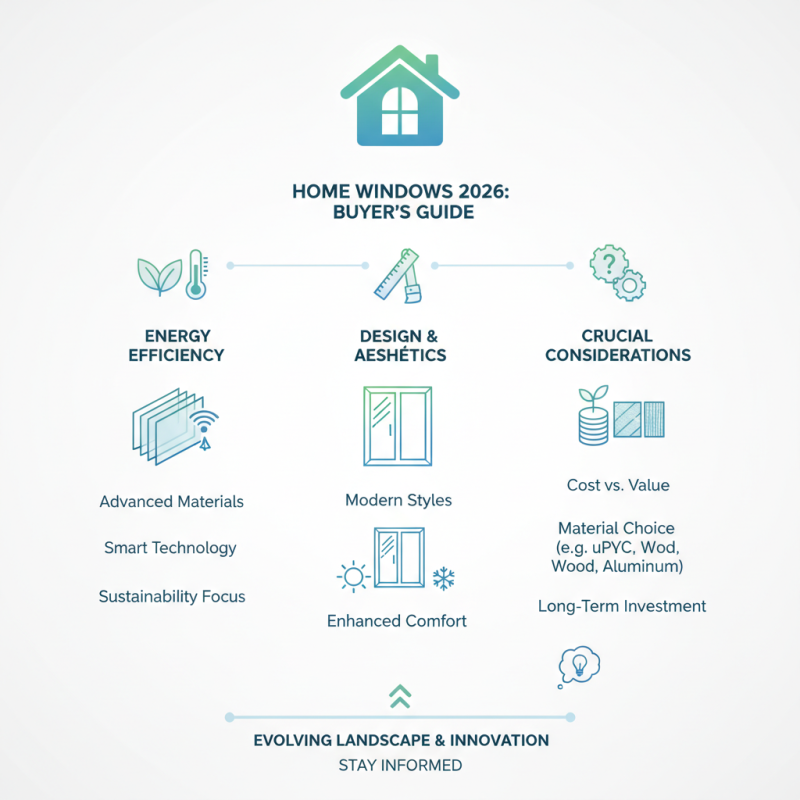
Today's buyers are increasingly focused on energy efficiency and design. Advanced materials and smart technology are reshaping windows for home, making them more durable and functional. For many, the drive for sustainability is significant. Potential buyers may find themselves overwhelmed with options. Choosing the right window is not just about looks, it’s about making thoughtful decisions.
As new innovations emerge, it’s crucial for buyers to stay knowledgeable. Whether considering cost, material, or efficiency, the choice should fit both style and function. Reflecting on these aspects can guide a better decision-making process. Investing in windows for home is not just a purchase; it’s a step towards enhancing living spaces for years to come.
Top Trends in Home Windows for 2026
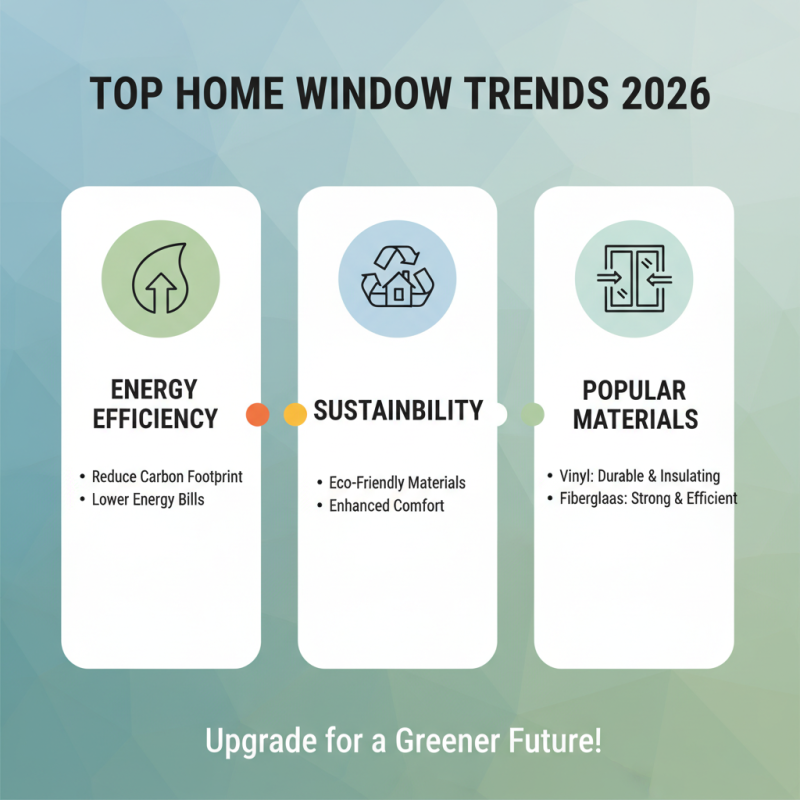
In 2026, home window trends are shifting towards energy efficiency and sustainability. More homeowners are prioritizing materials that reduce their carbon footprint. Vinyl and fiberglass are gaining popularity due to their durability and insulation properties. Opting for these materials can lower energy bills and enhance comfort.
Natural lighting is also a major trend. Bigger windows and innovative designs allow more sunlight into homes. Skylights and large, sliding glass doors can create open spaces that feel warm and inviting. However, homeowners must consider proper shading to prevent excessive heat during summer.
Tips: When selecting windows, think about your home's style. Custom shapes may enhance curb appeal. Ensure windows meet local building codes for safety. Regular maintenance is necessary; check seals and frames each season. Consider how much natural light you need. Too much could lead to glare or heat issues.
Key Factors to Consider When Choosing Windows
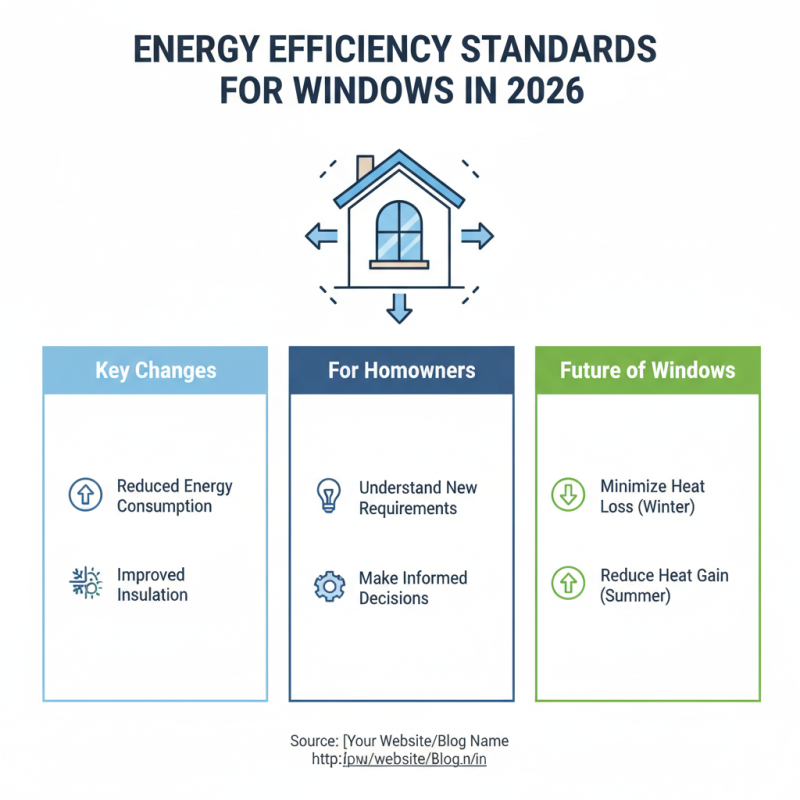
When considering new windows for your home in 2026, several key factors come into play. Energy efficiency is paramount. Look for multi-pane glass and low-E coatings that can significantly reduce heat loss. This investment can lead to lower energy bills in the long run.
Durability is another crucial aspect. Materials like vinyl and fiberglass often outperform wood. They require less maintenance and are resistant to warping or rot. A reliable warranty can also indicate the quality of the windows.
Tips: Check the installation process. Poor installation can undermine even the best windows. You might also want to get multiple quotes. This helps to gauge average prices and services in your area.
Aesthetic appeal matters too. Choose windows that complement your home’s architecture. Consider color and style carefully. You may find that what looks good might not fit your budget. Think of functionality as well. Windows should open easily and provide adequate ventilation. Balancing these factors can be challenging, but it's vital for a successful purchase.
Top Windows for Home in 2026 - Key Factors to Consider When Choosing Windows
| Window Type |
Energy Efficiency Rating |
Average Lifespan (Years) |
Cost Range ($) |
Maintenance Level |
| Vinyl Windows |
A+ |
20-40 |
300 - 800 |
Low |
| Wood Windows |
B |
30-50 |
500 - 1200 |
Medium |
| Aluminum Windows |
B+ |
20-40 |
400 - 900 |
Medium |
| Fiberglass Windows |
A++ |
30-50 |
600 - 1300 |
Low |
| Composite Windows |
A |
25-50 |
500 - 1100 |
Low |
Popular Materials and Styles for Home Windows
When choosing windows for homes in 2026, buyers should consider popular materials and styles. The trend leans heavily toward energy-efficient options.
Vinyl windows, known for their affordability and durability, blend well with modern aesthetics. They resist moisture and require minimal upkeep. Homeowners often appreciate these benefits.
Wood windows are making a comeback. They offer a classic look and can be customized easily. However, they need more maintenance. Homeowners may find themselves repainting or refinishing them regularly. This could be a drawback for some, but many value the warmth and charm wood provides.
Styles also play a crucial role. Casement and double-hung windows are favorites among many buyers. They are functional and provide good ventilation. Meanwhile, picture windows make a strong statement with their expansive views. However, they lack operational features. Buyers should consider their needs carefully. Balancing style and functionality is key to making the right choice.
Installation and Maintenance Tips for New Windows
When considering new windows for your home, installation and maintenance are crucial. Proper installation ensures energy efficiency and enhances your home's comfort. Always check if the window fits well within the frame. Gaps can lead to air leaks. Use shims for a snug fit. If you're unsure about the installation process, consult professionals. They have the experience to avoid common pitfalls.
Maintenance is equally important for longevity. Clean your windows regularly to prevent dirt buildup. Use a soft cloth and a mild detergent. Check seals and weather stripping for wear and tear. Replace them if necessary to maintain insulation. Don't neglect to lubricate the moving parts, like hinges and locks. This prevents rust and ensures smooth operation.
Reflect on the placement of your windows, too. The right position can make a huge difference in light and ventilation. However, not all areas in a home require the same type of window. It’s worth considering what works best for each room. Every choice should align with your lifestyle and needs.
Top Windows for Home in 2026: Installation and Maintenance Insights