Top Tips for Choosing the Best Residential Doors for Your Home?
Choosing the right residential doors for your home is crucial. They enhance your home’s aesthetic appeal and security. According to David Miller, a leading expert in home design, “The front door is the first impression of any home.” This statement emphasizes the importance of selecting doors that reflect your style.
When considering residential doors, various factors come into play. Quality materials, design, and energy efficiency should all be at the forefront of your decision-making process. A beautiful solid wood door can make a statement, while a fiberglass option might offer better insulation. Balance these aspects carefully.
Homeowners often overlook the durability of the door hardware. Strong hinges and locks are essential for security. It's worth reflecting on how often we overlook these small but significant details. Investing time in the right choices can lead to long-term satisfaction. Remember, residential doors are not just functional; they define the essence of your home.
Understanding Different Types of Residential Doors Available for Homes
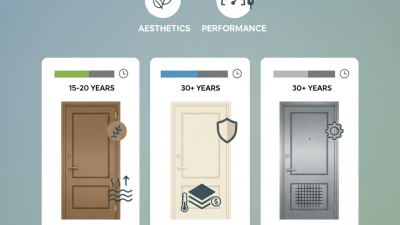
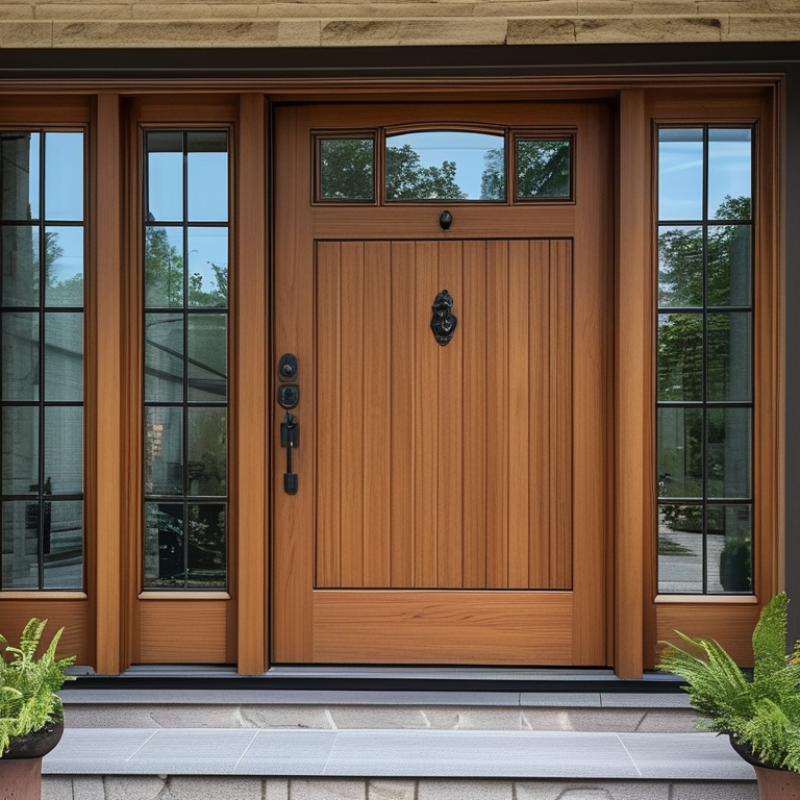
Choosing the right residential door is crucial for home security, aesthetics, and energy efficiency. Different types of doors are available, each with unique characteristics. For example, steel doors offer strength but can be prone to dents. Wood doors are beautiful but can warp in humid climates. Fiberglass doors provide durability and energy efficiency, making them a popular choice for many homeowners.
Tip: Consider the climate in your area. If you live in a humid region, opt for fiberglass or steel doors, as they resist moisture better than wood alternatives. The National Association of Home Builders reports that nearly 70% of homeowners prioritize energy efficiency in door selection. This means you should look for doors with good insulation properties, which can significantly reduce your energy bills.
When selecting a door style, balance aesthetics with functionality. A door's color and design can enhance curb appeal. Research indicates that homes with attractive front doors can increase property value by up to 10%. However, don't overlook practicality. A beautiful door can also be a security risk if not properly reinforced. Always ensure your choice aligns with both visual appeal and safety requirements.
Assessing Security Features and Ratings for Residential Doors
When considering residential doors, security features are paramount. The FBI reports that approximately 1.2 million home burglaries occur annually in the U.S. Many of these burglaries involve weak entry points like doors. A door's strength is crucial; a door made from solid wood or fiberglass generally offers better security compared to hollow core options.
Look for doors that meet standards set by the American National Standards Institute (ANSI). Doors rated as Grade 1 provide the highest level of security, having passed rigorous testing. According to the National Institute of Justice, a well-installed deadbolt can resist forced entry for over three minutes. This delay often discourages intruders. Additionally, consider doors equipped with impact-resistant glass, as they can withstand significant force.
Educating yourself on door specifications is vital. Some security systems now integrate smart technology to enhance your home’s safety. However, technology can fail. Always have a backup plan for security. Regularly check your door's condition and hardware to ensure optimal performance. Assessing these features thoughtfully can significantly enhance your home’s security profile.
Evaluating Energy Efficiency and Insulation of Door Materials
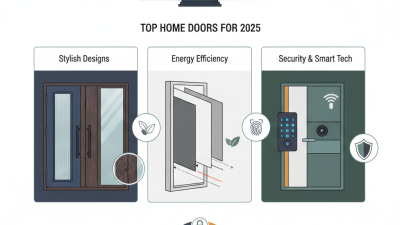
When evaluating residential doors, energy efficiency is key. The material of the door plays a critical role in insulation.
Steel and fiberglass doors are popular options. They have excellent insulating properties, helping to keep your home warm in winter and cool in summer.
Real-world tests have shown significant energy savings with these materials. However, wood doors can also be effective, depending on their construction and design.
Consider the thermal performance ratings of door materials. Look for those with a low U-value, indicating better insulation.
Check for weather stripping and seals, which protect against drafts. Some doors may appear beautiful but fail to provide adequate insulation. It's essential to find a balance between aesthetics and functionality.
Sometimes, homeowners focus too much on style. Yet, a stylish door without proper insulation can lead to higher energy bills.
Reflect on your choice for long-term value. Your selected door should complement your home while meeting energy efficiency standards.
Ultimately, informed decisions can lead to a more comfortable living space and lower utility costs.
Choosing the Right Style and Design to Complement Your Home's Aesthetics
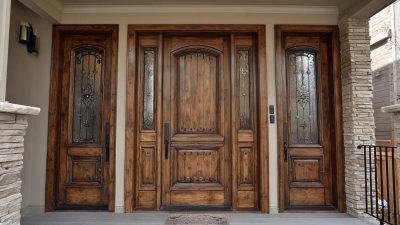
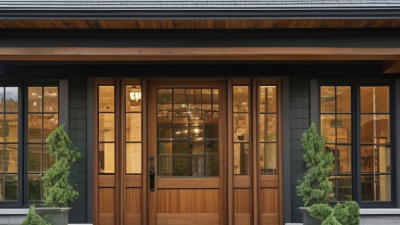
Selecting the right style and design for your residential doors is vital. The door is often the first impression guests receive. Choose a design that speaks to the overall aesthetic of your home. Consider architectural elements in your home. Is it modern, traditional, or rustic? Your door should harmonize with those elements.
Material plays a crucial role too. Wooden doors offer warmth but require maintenance. Metal doors are durable but may lack character. Glass inserts can enhance natural light but may compromise privacy. Reflect on your lifestyle when making this choice. What fits your needs best? Think about the weather conditions in your area. Will the door withstand harsh elements?
Color can dramatically alter perception. A bold color may make a statement, while neutral tones may blend in. Experiment with different shades, but ensure they suit the environment. Keep in mind, not every choice will be perfect. It's essential to balance personal style with functionality. This thoughtful approach will create an inviting entryway.
Top Tips for Choosing the Best Residential Doors for Your Home
| Dimension |
Options |
Considerations |
| Material |
Wood, Fiberglass, Steel, Vinyl |
Durability, Maintenance, Aesthetics |
| Style |
Traditional, Contemporary, Modern, Rustic |
Home Style Matching, Visual Appeal |
| Security Features |
Multi-point Locks, Reinforced Frames |
Safety, Peace of Mind |
| Energy Efficiency |
Insulated Glass, Weatherstripping |
Energy Savings, Comfort |
| Budget |
Economical, Mid-range, Premium |
Value for Money, Long-term Investment |
| Customization |
Colors, Designs, Sizes |
Personal Preference, Home Integration |
Budgeting and Cost Considerations When Purchasing Residential Doors
Budgeting for residential doors is crucial for homeowners. The cost can vary significantly based on materials and design. According to a report by the Remodeling 2021 Cost vs. Value, the average cost of a steel entry door is around $2,000, while a fiberglass door can reach up to $2,500. Additionally, installation costs can add another 10% to 20% to the total expense. It’s essential to evaluate what fits your budget without compromising quality.
Consider long-term savings when choosing doors. Energy-efficient models can save on heating and cooling costs. According to the U.S. Department of Energy, proper door insulation can reduce energy loss by 10% to 15%. However, these doors commonly carry a higher upfront cost, reflecting their energy-saving benefits. It's necessary to weigh initial spending against possible future savings to make a well-informed decision.
While quality matters, staying within budget is paramount. It’s easy to get carried away with aesthetics and features. Homeowners should reflect on their needs and prioritize essential aspects over luxury add-ons. Cost overruns can quickly lead to regret. Always leave room in your budget for unexpected expenses that may arise during installation or additional modifications.
Cost Considerations for Choosing Residential Doors