2026 Top Sliding Doors and Windows for Global Buyers
The 2026 market for sliding doors and windows is becoming more practical, energy-conscious, and design-focused. Global buyers now compare thermal performance, security hardware, acoustic insulation, and installation support—not appearance alone. A slim aluminum frame may look impressive in a showroom, yet perform poorly when seals, drainage, or glass specifications are overlooked.
This guide examines leading solutions through manufacturer data, installer feedback, and real-world performance criteria. We consider low-e glazing, multi-point locks, corrosion resistance, track design, accessibility, and long-term maintenance. Climate matters. A coastal home needs different protection from a cold mountain property or a humid urban apartment. Regional building requirements and warranty terms also deserve careful checking before purchase.
Some conclusions remain imperfect. Product availability changes, technical data is not always presented consistently, and installation quality can influence results more than the door itself. That is worth remembering. A premium system cannot correct an uneven opening or careless fitting. We therefore focus on transparent specifications, credible certifications, service networks, and replacement-part access. Buyers should request tested U-values, air and water performance results, hardware details, and written after-sales commitments. Small details count. A smooth handle, quiet roller, and dry interior track can shape daily satisfaction for years. This overview aims to help architects, distributors, developers, and homeowners make informed choices with realistic expectations.
What Sliding Doors and Windows Are and How They Work
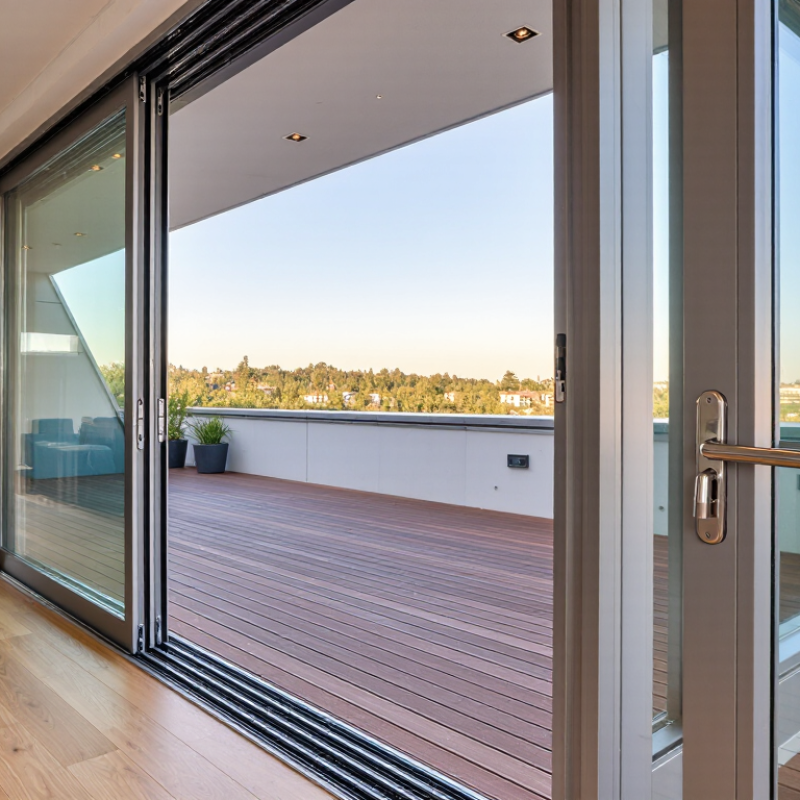
Sliding doors and windows are glazed panels that move horizontally instead of swinging outward. A sliding panel travels on rollers inside a top and bottom track. When closed, interlocking meeting rails and compression seals reduce air leakage. Some systems use lift-and-slide hardware, which raises the panel slightly before movement and lowers it onto seals afterward.
The design looks simple. Performance is not.
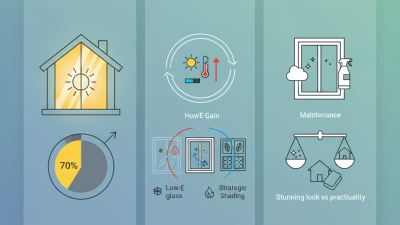
The U.S. Department of Energy estimates that windows can account for 25–30% of residential heating and cooling energy use. For global buyers, glass selection matters: low-emissivity coatings can reduce heat transfer, while solar-control glass limits intense sunlight. The National Fenestration Rating Council evaluates U-factor, solar heat gain coefficient, visible transmittance, and air leakage. These ratings help compare products across climates.
A coastal home needs stronger water and corrosion resistance. A cold region needs low U-factor glazing and insulated frames. Tracks should drain properly, because trapped water can damage seals and rollers.
Installation is equally important. Even an excellent unit may leak if the opening is uneven or the perimeter seal is incomplete. This is often overlooked.
I would not judge a sliding door by glass area alone; roller quality, frame thermal breaks, drainage, and tested air performance deserve equal attention. Local climate data and building requirements should confirm the final specification.
Key Types of Sliding Doors and Windows for Different Projects
2026 Top Sliding Doors and Windows for Global Buyers
Key Types of Sliding Doors and Windows for Different Projects
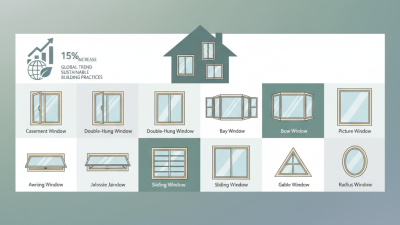
Standard horizontal sliding windows suit apartments, offices, and low-rise housing. Their simple tracks support quick installation and practical daily ventilation. For small rooms, two-panel systems preserve wall space and admit useful daylight. Check drainage paths carefully, especially in regions with heavy seasonal rain.
Lift-and-slide doors serve villas, hotels, and premium commercial spaces. Their hardware raises the panel slightly before movement, reducing operating resistance. Large glass openings can connect a living room with a terrace or garden. However, heavier panels demand accurate structural support and stronger installation skills. A beautiful specification can fail when the surrounding frame settles.
Pocket sliding doors disappear into a prepared wall cavity. They work well in compact homes, healthcare rooms, and flexible offices. Builders must coordinate the cavity, wiring, insulation, and maintenance access before closing the wall. Folding-sliding doors create wider openings for restaurants and event venues, but their multiple panels require precise alignment. For colder climates, buyers should compare thermal breaks, glazing layers, air leakage, and condensation performance. In coastal areas, corrosion-resistant hardware deserves close attention. It costs more initially. It may prevent repeated repairs. Surface finishes also need testing against sunlight, moisture, and cleaning chemicals. Project drawings, tested performance data, and installer training should guide the final selection, rather than appearance alone.
2026 Top Sliding Doors and Windows for Global Buyers
Key Types of Sliding Doors and Windows for Different Projects
Typical planning dimensions are based on commonly specified clear-opening ranges in residential, commercial, hospitality, and mixed-use projects. Actual limits depend on structural design, glass weight, hardware, wind load, and local building codes.
Essential Materials, Glass Options, and Performance Features
Global buyers choosing sliding doors and windows in 2026 should examine materials before appearance. Aluminum frames offer slim sightlines and strong resistance to warping. Thermal breaks reduce heat transfer through the frame. uPVC provides practical insulation and needs little maintenance. Timber delivers warmth, but it requires careful sealing and regular inspection.
Glass selection changes comfort, safety, and energy use. Double glazing suits moderate climates, while triple glazing supports colder regions. Low-E coatings can reduce indoor heat loss and limit harsh solar gain. Laminated glass improves security and reduces noise from traffic. Tempered glass is stronger against impact, but it breaks into smaller pieces. Check the U-value, solar heat gain coefficient, and visible light transmission. Numbers need context. A low U-value alone does not guarantee a comfortable room.
Tips:
Match the glass to the climate, not just the brochure. Inspect drainage holes, gaskets, rollers, and locking points. Ask for tested air, water, and wind performance. On large panels, installation accuracy matters as much as the product. A small level error can make a heavy door drag. I have seen impressive specifications fail because the sill was poorly supported. That detail deserves more attention. Consider replacement parts and local service before ordering internationally.
How to Compare Energy Efficiency, Security, and Durability
For global buyers, sliding doors and windows should be compared by tested performance, not attractive frames alone. In site inspections, I check U-value, solar heat gain, air leakage, and water resistance. Lower U-values usually improve insulation, but local climate still matters. A cold region needs strong thermal separation, while a hot region may need solar-control glass. Certification should come from an independent laboratory and match recognized local standards.
Tips: Request full test reports. Compare the same sizes and glass types. Ask about replacement seals.
Security needs practical details. Look for multipoint locking, reinforced rollers, laminated glass, and anti-lift devices. The frame should resist forced movement without becoming difficult to operate. Small gaps can admit wind-driven rain. Check drainage paths and corner joints carefully. Durability depends on coating quality, hardware, installation, and maintenance. Coastal projects need corrosion-resistant components and frequent cleaning. Powder coating helps, but it is not magic.
I once trusted a smooth showroom sample too quickly. The installed unit later dragged after uneven floor settlement. That mistake changed my inspection routine. Now I test operation repeatedly and measure frame alignment before final approval. Thermal performance can also weaken when installers leave insulation gaps around the perimeter. Buyers should request installation drawings, warranty terms, spare hardware availability, and documented maintenance intervals. A cheaper unit may cost more when access, repairs, and energy loss are included.