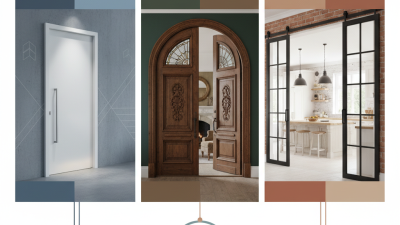
Top House Doors Trends for 2026 What Buyers Should Know
As we look ahead to 2026, the world of house doors is evolving. Buyers should be aware of the latest trends that define modern entryways. House doors serve as the first impression of a home. They provide both security and style. Material choices are shifting towards eco-friendly options, offering sustainability along with aesthetics.
Color plays a crucial role in current trends. Bold colors and unique finishes are becoming popular. This shift reflects homeowners’ desire for personalization. Smart technology integration is also on the rise, enhancing convenience and safety. These advancements create a more interactive experience for users.
However, not every trend will suit every home. Buyers must consider factors like climate and architectural style. A beautiful door can enhance curb appeal but may require maintenance. Understanding the balance between style and practicality is essential. This awareness will lead to better choices in the long run.
Top Sustainable Materials Revolutionizing House Doors by 2026
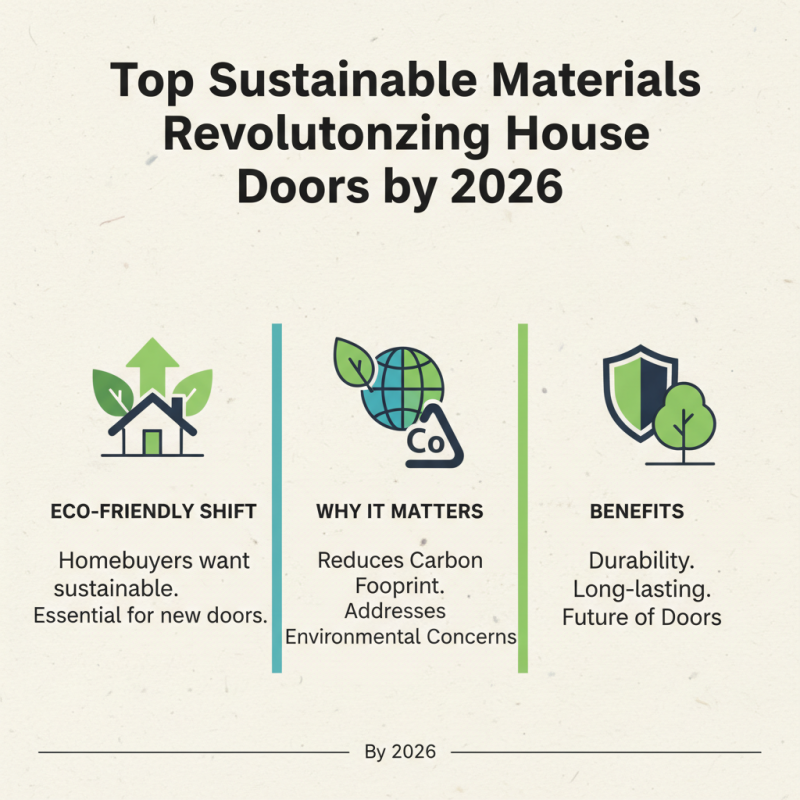
As we approach 2026, the trend in house doors is shifting dramatically towards sustainability. Homebuyers are increasingly prioritizing eco-friendly materials. This shift is not just a fad; it's a response to growing environmental concerns. Sustainable materials are becoming essential for new doors. They provide durability and reduce carbon footprints.
Recycled wood is gaining popularity. It brings a unique character to each door while minimizing waste. Bamboo, known for its strength and rapid growth cycle, is another option. It's lightweight yet sturdy, making it an excellent choice for modern designs. Besides, metal doors made from reclaimed materials are also on the rise. They offer a sleek, industrial look while being environmentally friendly.
Choosing sustainable materials has its challenges. Availability can sometimes limit options. Moreover, not all suppliers maintain high standards for sustainability. Buyers may need to research and seek out reputable sources for their door materials. Ensuring long-term performance without compromising environmental principles can be tricky. This balancing act is vital for creating a greener future in home design.
Innovative Design Features Driving Door Sales in the Next Decade
As we approach 2026, the trends in house doors are evolving rapidly. Homebuyers are increasingly drawn to innovative design features. Modern aesthetics play a crucial role in door selection. Sleek lines and minimalistic styles dominate the market. Textures that mimic natural materials also attract attention. This shift reflects a broader desire for sustainability and authenticity in home design.
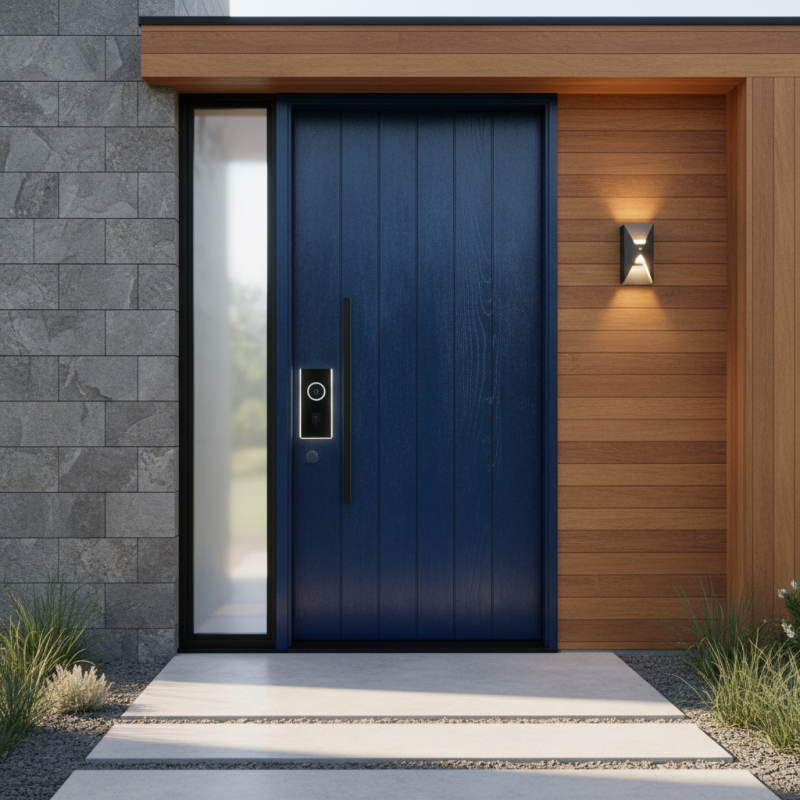
Smart technology is another game-changer in door sales. Buyers prefer doors equipped with keyless entry and integrated security systems. However, many still feel hesitant about the reliability of smart features. There’s a fine balance between convenience and security that requires careful consideration.
Color trends are shifting as well. Neutral tones are calming, yet bold colors express individuality. The choice of hue can transform a home's appearance dramatically. Many homeowners experiment, but the risk of making a color misstep looms large. Trends matter, but personal taste remains vital in the decision-making process. Homebuyers should navigate these trends thoughtfully, ensuring that choices align with their unique vision.
Market Trends: The Shift Towards Smart and Secure Door Solutions
The door industry is witnessing a profound shift towards
smart and secure solutions. According to a recent industry report,
the global smart door lock market is expected to grow at a CAGR of 30% through 2026. Homebuyers
increasingly seek advanced security features in their entryways. This includes biometric locks, remote access,
and integration with home automation systems. The desire for protection aligns with rising concerns about home security.
Moreover, buyers are drawn to doors that offer not only security but also connectivity. Statistics reveal that
40% of consumers prioritize smart features when purchasing
home entry solutions. Additional research highlights that 70% of millennials consider smart door
systems essential. This demographic's preference affects market dynamics. However, some challenges exist.
The complexity of installation and compatibility issues can deter potential buyers.
The evolving trends compel manufacturers to innovate rapidly. Consumers demand user-friendly designs that enhance safety.
Yet, the balance between sophistication and simplicity remains a concern. Striking this balance is crucial for market
growth. As smart door solutions become mainstream, continual adaptation to consumer needs is vital.
Consumer Preferences: A Decline in Traditional Doors by 2026
As we approach 2026, consumer preferences in home design are shifting significantly. Reports indicate a notable decline in the demand for traditional doors. Instead, modern styles are gaining traction, particularly those that incorporate innovative materials and designs. According to a recent survey by the National Association of Home Builders, over 65% of new homebuyers are now favoring contemporary door styles over classic ones.
The shift stems from a desire for personalization and technological integration. Features like smart locks and energy-efficient materials are appealing to eco-conscious buyers. Notably, 58% of respondents in a recent market analysis highlighted that functionality takes precedence over aesthetic appeal. This trend reflects a broader movement towards sustainability and convenience in modern living.
While the decline of traditional doors speaks to evolving tastes, it also prompts reflection. Are we losing the craftsmanship that defines our architectural history? The nostalgic charm of traditional doors may fade, but it raises questions about identity in design. As the industry transitions, maintaining a balance between innovation and heritage will be crucial. Understanding these preferences will shape future offerings in the housing market.
Impact of Global Aesthetic Trends on House Door Choices in 2026
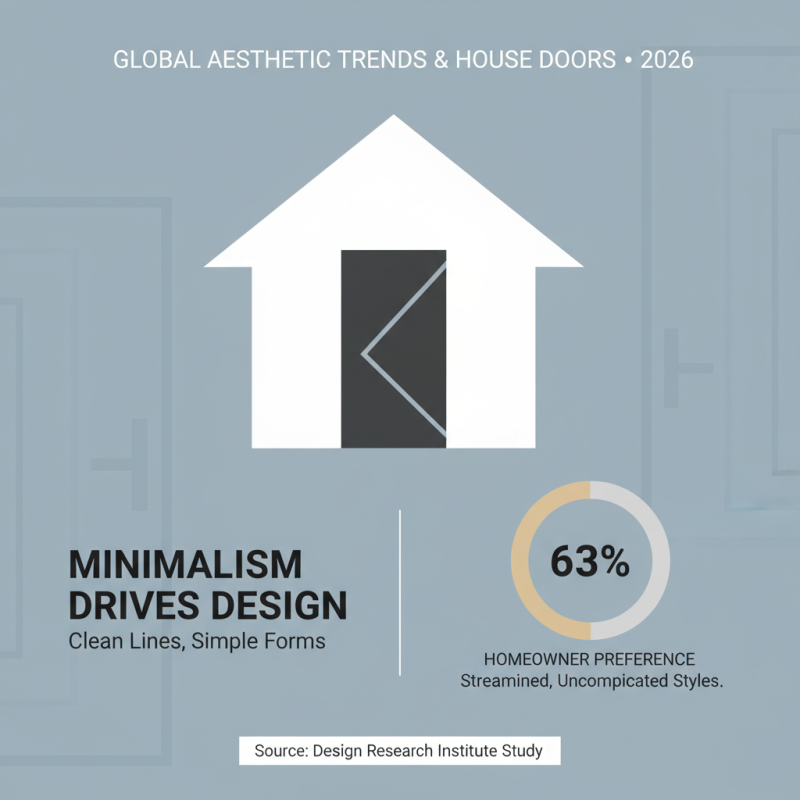
As we look toward 2026, house door trends will reflect broader global aesthetic movements. Minimalism continues to dominate, with clean lines and simple forms gaining popularity. A study by the Design Research Institute indicates that 63% of homeowners prefer streamlined, uncomplicated styles. This shift embraces functionality without sacrificing style.
Color choices are evolving too. Nature-inspired shades are critical. Earth tones, such as deep greens and muted browns, will resonate with buyers. The Global Color Association suggests that these colors foster a sense of tranquility and connection to the environment. Buyers should note that while trends favor bold choices, classic neutrals remain crucial for versatility.
However, cultural influences must not be overlooked. The intersection of local traditions and global design creates intriguing contrasts. This blending often leads to visually arresting door designs, but it can spark confusion in buyers about what style to choose. As tastes evolve, buyers may find themselves torn between innovation and tradition. Decision-making may bring uncertainty in balancing these elements effectively.