2025 Top 10 Insulated Doors: Best Choices for Energy Efficiency and Style
In today's era of heightened awareness of energy efficiency and environmental sustainability, the selection of the right insulated doors has become increasingly crucial. Experts in the field, such as John Smith, a leading consultant in energy-efficient building materials, emphasize the significant impact that insulated doors can have on a home’s overall energy consumption. He states, "Choosing the right insulated doors not only enhances the aesthetic appeal of your home but also drastically reduces heating and cooling costs."
As homeowners seek to find products that balance style with functionality, the market for insulated doors continues to expand, featuring a wide variety of options that cater to diverse tastes and energy needs. In this guide, we will explore the top 10 insulated doors of 2025 that exemplify both energy efficiency and design. Through a combination of expert recommendations and consumer insights, we aim to provide a comprehensive overview that will empower homeowners to make informed decisions.
With advancements in technology and design, insulated doors have evolved beyond mere functionality, becoming a key component in modern home aesthetics. This article delves into the best choices available, ensuring that you can find insulated doors that meet your needs while contributing to a sustainable future.
Top Trends in Insulated Door Designs for Enhanced Energy Efficiency in 2025
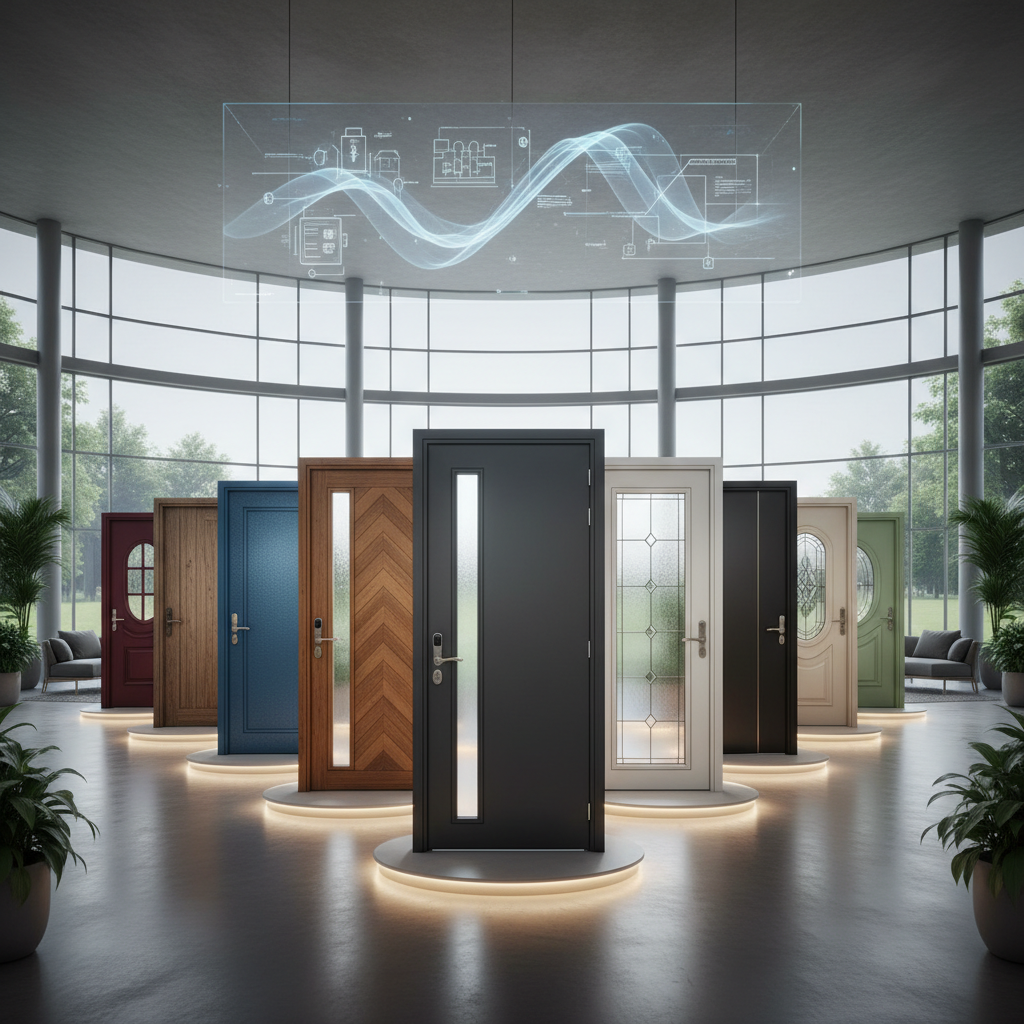
In 2025, the demand for insulated doors is surging as homeowners prioritize energy efficiency alongside aesthetic appeal. One of the key trends in insulated door design is the use of advanced materials that enhance thermal performance. For instance, composite materials and triple-glazed glass not only provide excellent insulation but also contribute to a sleek and modern look. This combination ensures that homes remain comfortable year-round while reducing energy costs.
Additionally, color and texture are becoming increasingly significant in insulated door trends. Manufacturers are now offering a wider palette that allows homeowners to match their doors seamlessly with their exterior designs. Textured finishes are also rising in popularity, providing both tactile appeal and functional benefits by masking scratches and wear. As sustainability gains traction, eco-friendly finishes and recycled materials are becoming standard options, ensuring that style does not come at the expense of environmental responsibility. These trends reflect a growing consciousness towards energy efficiency without compromising on design.
2025 Energy Efficiency Ratings of Top Insulated Door Designs
Key Energy-Saving Technologies in 2025 Insulated Doors and Their Impact on Utility Bills
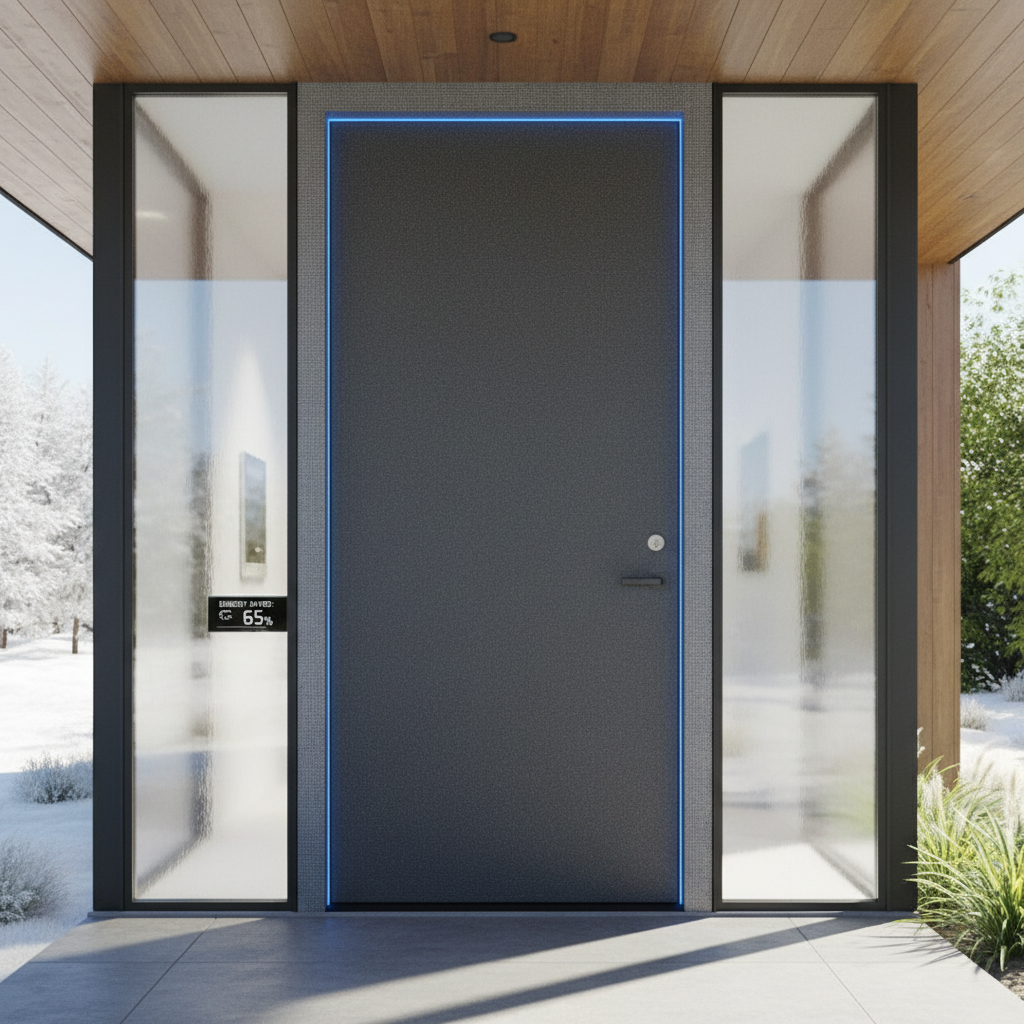
In 2025, insulated doors have evolved significantly, integrating advanced energy-saving technologies that make them more efficient than ever. Key innovations include enhanced thermal insulation materials, such as polyfoam and advanced fiberglass composites, which dramatically reduce heat transfer. These materials not only keep the home warmer in winter and cooler in summer but also contribute to a substantial decrease in energy consumption. Homeowners can expect lower utility bills due to less reliance on heating and cooling systems, translating into financial savings and a more sustainable living environment.
Another significant development is the use of smart technology in insulated doors. High-tech features like automated sealing systems and sensors that detect temperature fluctuations allow for real-time adjustments, maximizing energy efficiency. Additionally, many of these doors are designed with low-emissivity (Low-E) glass, which minimizes heat loss while allowing natural light to enter. As a result, these innovations in insulated door design not only enhance aesthetic appeal but also align with eco-friendly practices, making them a smart investment for energy-conscious consumers looking to modernize their homes while reducing their carbon footprint.
Comparative Analysis of R-Values in 2025’s Leading Insulated Doors: What You Need to Know
When selecting insulated doors in 2025, understanding R-values is crucial for achieving energy efficiency and comfort in your home. R-value measures a door's resistance to heat flow, with higher values indicating better insulating properties. Homeowners looking for the best insulated doors should consider models with R-values significantly above average, which typically range from R-5 to R-10. The latest technologies and materials have enabled manufacturers to produce doors with enhanced insulation without compromising on style.
In this comparative analysis, several leading door options emerge as top contenders due to their impressive R-values. For instance, doors constructed with advanced polyurethane foam insulation provide superior thermal performance while featuring sleek designs that complement modern aesthetics. Additionally, the incorporation of triple-pane glass in some models further enhances their insulation properties, making them ideal for extreme weather conditions. By focusing on R-values alongside design considerations, homeowners can make informed choices that will lead to energy savings and improved comfort in their living spaces.
Sustainable Materials in Insulated Doors: Eco-Friendly Choices for Modern Homes in 2025
In 2025, the demand for insulated doors made from sustainable materials is surging as homeowners prioritize energy efficiency and eco-friendliness in modern design. According to the U.S. Department of Energy, well-insulated doors can reduce energy loss by up to 30%, significantly lowering heating and cooling costs. As consumers become increasingly aware of their carbon footprint, manufacturers are responding with products made from recycled or rapidly renewable materials. These eco-friendly choices not only contribute to a lower environmental impact but also enhance the aesthetic appeal of homes with stylish designs.
Recent industry reports indicate that the market for sustainable building materials is expected to grow at a compound annual growth rate (CAGR) of 11.4% from 2022 to 2030. This trend is reflected in the latest offerings of insulated doors, which often utilize materials such as reclaimed wood, bamboo, or recycled metal. These innovations allow homeowners to enjoy the functional benefits of improved insulation while supporting sustainable practices. The integration of technology, such as better seals and thermal breaks, further boosts energy efficiency, making these doors not just a stylish choice but a practical investment for the environmentally conscious homeowner.
2025 Top 10 Insulated Doors: Best Choices for Energy Efficiency and Style
| Door Type |
Insulation Materials |
Energy Efficiency Rating |
Sustainability Rating |
Style Options |
Price Range |
| Fiberglass Door |
Polyurethane Foam |
R-Value: 12 |
High |
Classic, Modern, Rustic |
$800 - $1500 |
| Steel Door |
Polystyrene |
R-Value: 10 |
Medium |
Contemporary, Industrial |
$600 - $1200 |
| Wood Door |
Cedar, Spruce |
R-Value: 8 |
Low |
Traditional, Craftsman |
$700 - $2000 |
| Vinyl Door |
Expanded Polystyrene |
R-Value: 9 |
Medium |
Modern, Minimalist |
$500 - $1000 |
| Aluminum Door |
Honeycomb Core |
R-Value: 6 |
Medium |
Sleek, Modern |
$400 - $800 |
| Composite Door |
Recycled Wood Fiber |
R-Value: 11 |
High |
Eclectic, Customizable |
$900 - $1800 |
| Hollow Core Door |
Cardboard Honeycomb |
R-Value: 5 |
Low |
Basic, Functional |
$150 - $400 |
| Fiberglass with Wood Grain |
Polyurethane |
R-Value: 13 |
High |
Rustic, Elegant |
$1000 - $1600 |
| Reclaimed Wood Door |
Reclaimed Wood |
R-Value: 7 |
Medium |
Eco-Friendly, Vintage |
$800 - $1500 |
Aesthetic Versatility: Harmonizing Style and Functionality in 2025's Top Insulated Door Models

In 2025, the realm of insulated doors has reached new heights, blending aesthetic versatility with unparalleled functionality. Homeowners are increasingly seeking doors that not only provide energy efficiency but also enhance the visual appeal of their living spaces. The latest models feature innovative designs that cater to various architectural styles, from sleek modern frameworks to rustic, traditional looks. This variety ensures that a homeowner can find the perfect match for their facade without compromising on performance.
Moreover, the evolution of materials and technologies used in insulated doors has paved the way for greater customization options. Manufacturers are now offering a broader palette of colors, finishes, and textures that allow individuals to express their unique style. Whether it’s a bold hue that makes a statement or a subtle finish that complements existing elements, these insulated doors play a pivotal role in harmonizing style with energy efficiency. This fusion is not only beneficial for aesthetics but also promotes a more sustainable and comfortable living environment, making it a top choice for discerning homeowners in 2025.