How to Choose Windows for Your Home Effectively?

Choosing the right windows for your home is crucial. This decision impacts energy efficiency, aesthetics, and comfort. Expert Laura Harrington, a leading specialist in home design, says, “Windows for your home are not just openings; they define your space.” Selecting windows requires careful consideration of various factors.

Consider your climate. Windows must withstand different weather conditions. For colder climates, double or triple glazing can provide better insulation. In warmer areas, low-emissivity glass can reduce heat gain. Aesthetics also matter. Windows affect your home's curb appeal. Explore styles that blend well with your architectural design.

Yet, it's easy to overlook specific needs. You might focus on cost and forget about energy ratings. Many consumers feel overwhelmed by options, leading to suboptimal choices. Reflect on how well your choices support your lifestyle and budget. Thoughtful decisions about windows for your home can enhance both beauty and efficiency.

How to Choose Windows for Your Home Effectively?

Factors to Consider When Choosing Windows for Your Home

Choosing windows for your home involves several important factors. Energy efficiency is one major consideration. According to the U.S. Department of Energy, improperly installed windows can account for up to 30% of residential heating and cooling energy losses. Choosing double or triple-glazed windows can significantly reduce these energy costs.

Style also plays a crucial role. Your windows should match the architectural style of your home. Traditional windows may not suit a modern house. Additionally, consider maintenance needs. Some materials, like vinyl, require less upkeep. However, wood can provide a classic look but often needs regular painting or staining.

Finally, don’t overlook the importance of security. Windows are a main entry point for intruders. Installing impact-resistant glass can enhance safety. It’s essential to balance aesthetics, efficiency, and security. Evaluate these elements carefully; the right choices will resonate for years to come.

How to Choose Windows for Your Home Effectively? - Factors to Consider When Choosing Windows for Your Home

Factors Description Importance
Energy Efficiency Windows with good insulation help reduce energy costs. High
Material Common materials include vinyl, wood, aluminum; each has its own pros and cons. Medium
Style Different styles (casement, double-hung, sliding) affect aesthetics and functionality. High
Warranty A good warranty provides assurance of quality and durability. Medium
Cost Consider budget vs. long-term investment; sometimes low initial cost can lead to high energy bills. High
Installation Proper installation is critical for performance; can affect warranty. High
Noise Reduction Windows can block external sounds; important for homes in noisy areas. Medium

Types of Windows: Pros and Cons of Each Option

How to Choose Windows for Your Home Effectively?

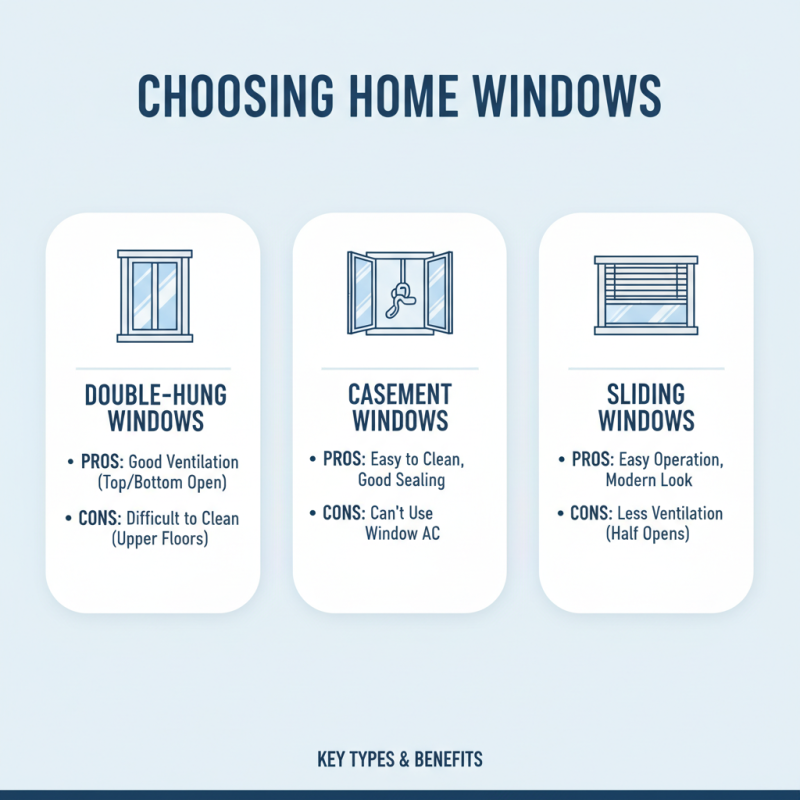
When choosing windows for your home, understanding the different types is crucial. Each type has its unique advantages and disadvantages. For instance, double-hung windows are common. They offer good ventilation. You can open the top or bottom sash easily. However, they can be tricky to clean, especially on upper floors.

Sliding windows are another popular choice. They provide expansive views and natural light. Their design makes them easy to operate. Still, they might not be the best for areas with high winds. They can also be less energy-efficient if not properly sealed. Then, there are casement windows. They open outward, allowing better airflow in many cases. However, their hinges are vulnerable to rust and wear over time.

With bay windows, the aesthetics can’t be beaten. They create a beautiful focal point in any room. However, installation is complicated and can be costly. You may face challenges if local codes aren’t followed. All in all, assessing the pros and cons of each window type is essential before making a decision. Each option requires careful consideration due to investment and long-term satisfaction.

Energy Efficiency Ratings: Understanding the Importance

When selecting windows for your home, energy efficiency ratings are crucial. These ratings help you understand how well a window can insulate your home. According to the U.S. Department of Energy, efficient windows can reduce energy bills by up to 30%. This means long-term savings and a more comfortable living environment.

The National Fenestration Rating Council (NFRC) provides valuable data on window performance. Look for ratings on U-factor, Solar Heat Gain Coefficient (SHGC), and Visible Transmittance (VT). U-factor measures insulation; lower is better. SHGC indicates how much heat from sunlight enters; a lower number is preferable for warmer climates. VT measures natural light; higher values are often desirable.

Tips: Always compare these ratings before purchasing. Look for windows with ENERGY STAR labels. Consider your local climate and decide what is essential for your needs. You might find that the perfect combination of energy efficiency and aesthetics can be challenging to achieve. Reflect on whether you prioritize cost savings over style, or vice versa. Balancing these aspects is often a nuanced endeavor.

Materials Used in Window Construction: A Comprehensive Overview

When choosing windows for your home, understanding the materials used in construction is crucial. Various options are available, each with unique advantages. Vinyl, for instance, is low-maintenance and energy-efficient. It resists fading and does not require painting. However, many find vinyl less visually appealing than wood.

Wood, on the other hand, offers a classic charm. It can be painted or stained in numerous finishes. Yet, wood windows require regular maintenance. They may warp or rot if not cared for properly. Aluminum frames are strong and durable. They offer a modern look but can conduct heat and cold, impacting energy efficiency.

Fiberglass windows combine strength and insulation. They mimic the look of wood, providing aesthetic flexibility. Their cost can be higher, which may not suit every budget. Reflecting on these options is essential. Each material has its pros and cons. Finding the right balance between durability, maintenance, and appearance can be challenging. Consider your home’s style, climate, and personal preferences before making a choice.

Window Material Comparison for Home Use

Budgeting for Windows: Cost-Effective Solutions for Homeowners

How to Choose Windows for Your Home Effectively?

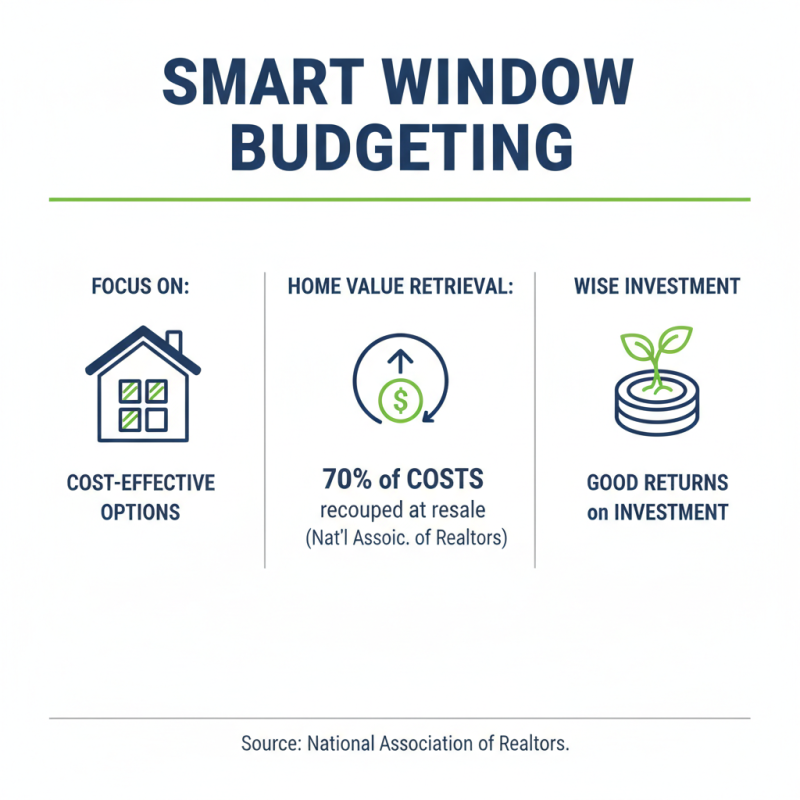
When budgeting for new windows, homeowners should focus on cost-effective options. According to the National Association of Realtors, replacement windows can recoup about 70% of their costs when selling a home. This shows that investing wisely can yield good returns.

Consider energy efficiency as a key factor in your decision. Energy Star-rated windows can save homeowners an average of 12% on energy bills annually. This adds up over time, making them a practical choice.

**Tips:** Research local incentives for energy-efficient upgrades. Also, gather multiple quotes from contractors. Trust but verify. Prices can vary significantly. Be aware of hidden fees. Budgeting carefully will lead to better selections. Making informed choices is essential. Think about your long-term needs and potential changes in lifestyle.