What is the Difference Between Window and Door Types?
In the realm of construction and design, understanding the distinction between window and door types is crucial. According to a recent report by the Window & Door Manufacturers Association, doors account for approximately 30% of the total energy loss in a home. This emphasizes the importance of selecting the right type to improve energy efficiency. Industry expert John Smith advises, "Choosing the right window and door types can enhance both aesthetics and functionality of any space."
Different styles and materials exist for windows and doors. For instance, double-hung windows provide ventilation, while sliding doors offer seamless transitions to outdoor areas. The choice can significantly impact a home's appeal and value. However, many homeowners overlook their importance. Furthermore, selecting the wrong type can lead to issues like drafts and structural problems.
It's not just about looks; performance matters too. Each window and door type has its own specifications and suitability. This often leads to confusion, as consumers may not be fully aware of the unique features. Understanding this can be a daunting task, necessitating expert guidance for optimal selections. Thus, a careful approach is essential when navigating the options in the Window & Door industry.
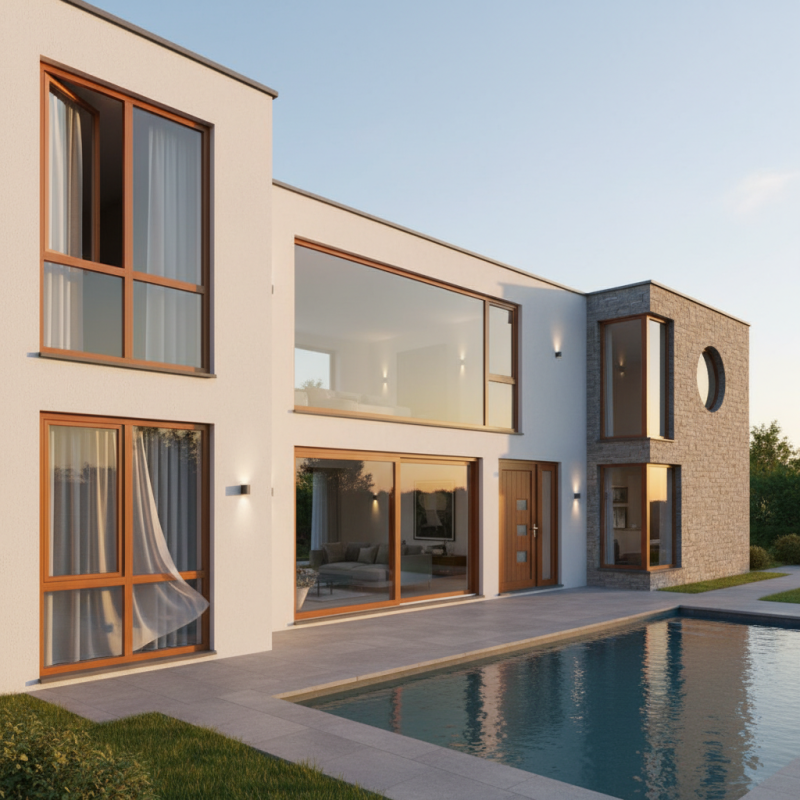
Understanding Window Types: Overview and Classification
When considering window types, understanding their classification is crucial. Different styles serve unique purposes. For instance, fixed windows do not open, offering views but limited ventilation. In contrast, operable types, like sliding or double-hung windows, allow airflow. According to the U.S. Department of Energy, windows account for about 30% of a home’s heating and cooling energy use. Selecting the right window type can significantly impact energy efficiency.
Casement windows swing open and provide excellent ventilation. They are often seen in modern homes. On the other hand, awning windows hinge at the top and open outward. This design allows airflow even in rain. A study by the National Fenestration Rating Council highlights that well-chosen window types can reduce energy bills by 15-25%. Yet, many homeowners still overlook the importance of this decision.
Furthermore, the aesthetics of window types affect overall home appeal. Bay and bow windows can enhance exterior design but may require more maintenance. Not everyone considers long-term upkeep. The choice often reflects personal taste rather than practicality. Therefore, careful thought should be given to both functionality and style. Each window type presents its own set of considerations, making the selection process complex.
What is the Difference Between Window and Door Types? - Understanding Window Types: Overview and Classification
| Window/Door Type | Description | Materials | Common Applications | Energy Efficiency |
| Double-Hung Window | A window with two sashes that slide vertically | Vinyl, wood, aluminum | Residential buildings | Moderate |
| Casement Window | A window that opens outward by turning a crank | Wood, fiberglass, aluminum | Modern homes, hard-to-reach areas | High |
| Sliding Door | A door that opens by sliding along a track | Vinyl, glass, wood | Patios, balconies | Moderate |
| Bi-Fold Door | A door made of multiple panels that fold inwards | Wood, aluminum, glass | Living rooms, outdoor areas | High |
| Awning Window | A window that hinges at the top and opens outward | Vinyl, wood | Bathrooms, kitchens | High |
Exploring Door Types: A Comprehensive Guide
When considering door types, there are several options to explore. Each type of door serves a unique purpose and fits different aesthetics. For example, sliding doors provide a sleek look, saving space while letting in natural light. On the other hand, traditional hinged doors offer more privacy and security.
Tips: Think about the flow of your space. An open layout can benefit from wider doors. However, they may not suit every room. Sometimes, a conventional door works better in a tight area.
Another aspect to think about is the material. Wooden doors exude warmth and charm, but they can warp over time. Steel doors are sturdy but might lack in design flexibility. Consider your needs carefully before making a choice.
Tips: Don’t rush your decision. Visit showrooms to see and feel the doors in person. Sometimes, the perfect fit isn’t what you initially envisioned. Reflect on colors and textures that resonate with your style.
Key Differences Between Window and Door Functionalities
When comparing windows and doors, their functionalities reveal distinct purposes. Windows primarily allow natural light into a space. They provide ventilation, creating a comfortable indoor climate. A study by the American Institute of Architects suggests that well-placed windows can reduce energy costs by up to 10%. This emphasizes their role in energy efficiency.
Doors, on the other hand, serve as entry points. They offer security and privacy, critical for any home. In a report by the National Home Builders Association, 65% of homeowners prioritize door security features. Yet, despite their importance, many overlook door maintenance, leading to potential security risks.
The interaction between windows and doors is also crucial. Both elements influence a home's overall aesthetic. For instance, cohesive styles enhance curb appeal and value. However, homeowners often neglect to consider how these elements work together. Windows and doors should not just function; they should enrich the living experience.
Material Considerations: Windows vs. Doors
When considering materials for windows and doors, several factors come into play. The choice often affects durability, insulation, and aesthetics. According to the 2023 National Association of Home Builders report, around 40% of homeowners prioritize energy efficiency in their selections. Windows typically utilize materials like vinyl, wood, and aluminum. Each has its own pros and cons. For example, wood offers natural beauty but requires more maintenance compared to vinyl.
Doors, on the other hand, are often made from fiberglass, steel, or wood. A recent survey highlighted that 55% of people choose steel doors for their strength and security. However, while steel is robust, it may not insulate as well as some other materials. The design aspect is crucial too. Many homeowners desire a cohesive look between windows and doors, prompting them to select similar materials across both elements. Yet, blending aesthetics with functionality can be challenging. Misjudging the thermal performance could lead to higher energy bills, making this a frequent oversight in home construction.
Material Considerations: Windows vs. Doors
Design Aesthetics: How Windows and Doors Differ
When designing a home, windows and doors each add unique character. Windows often showcase views and natural light. They can be large and expansive or small and cozy. Doors, on the other hand, are often more functional. They serve a purpose of entry and exit. However, they also contribute dramatically to a home's style.
Consider the style of your windows. Are they modern, traditional, or rustic? Choose frames that complement your overall theme. For doors, think about their material and color. A wooden door offers warmth, while a glass door provides elegance. These choices create a visual impact.
Tip: Mix different styles deliberately for variety. Pair modern windows with antique doors. This contrast can spark conversation. Pay attention to the details. Consider hardware and trim. Don’t overlook how these elements interact with each other. Sometimes, a mismatched look invites creativity, leading to stunning results.