What is the Difference Between Sliding Doors and Windows for Your Home
In the ever-evolving landscape of home design, understanding the distinction between sliding doors and windows plays a crucial role in maximizing both functionality and aesthetic appeal. According to the recent "Home Improvement Industry Trends" report by the National Association of Home Builders, about 60% of homeowners consider energy efficiency and accessibility when choosing sliding doors and windows for their residences. These features not only enhance the visual connectivity between indoor and outdoor spaces but also contribute to energy savings and improved natural lighting.
Industry expert, John Doe, a renowned architect specializing in residential design, emphasizes the importance of these features, stating, "The choice between sliding doors and windows can significantly impact a home’s energy efficiency and overall style. Homeowners should consider their specific needs and how each option can serve their lifestyle." This insight highlights that the decision goes beyond mere aesthetics; it encompasses considerations such as space utilization, security, and weather resistance.
Ultimately, whether opting for sliding doors or windows, understanding their unique characteristics helps homeowners create spaces that reflect their personal style while enhancing the livability of their homes. As trends continue to show a preference for versatile design features, homeowners must stay informed to make the right choice for their living environments.

Differences in Design: Sliding Doors vs. Windows
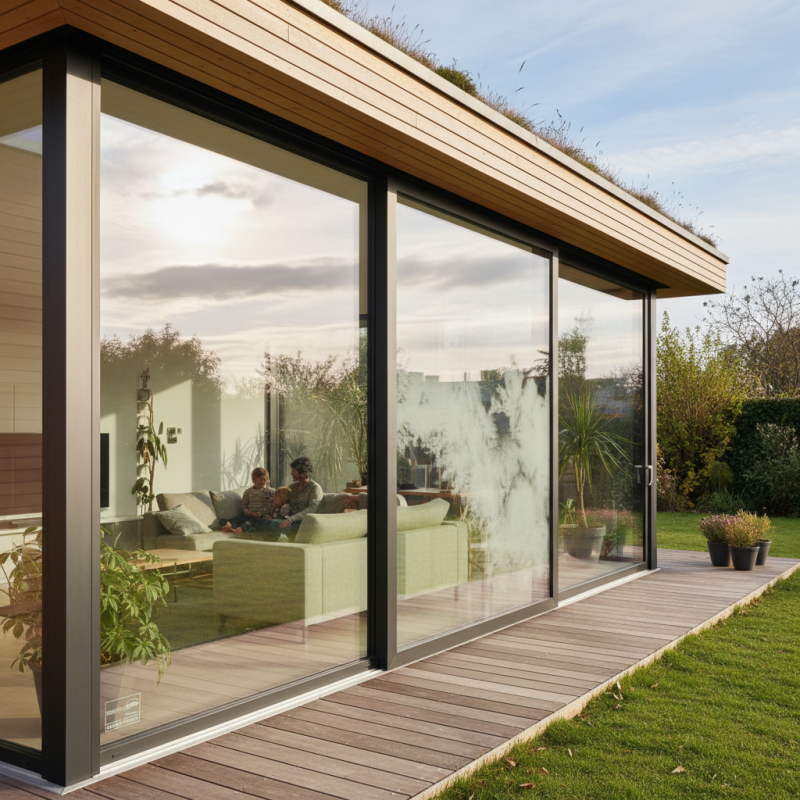
When comparing sliding doors and windows, one of the key differences lies in their design and functionality. Sliding doors are typically larger and designed for access, often serving as a transition between indoor and outdoor spaces. Their expansive glass panels allow for abundant natural light, offering a seamless view of the exterior. This design not only enhances connectivity with outdoor areas like patios or gardens but also makes them a popular choice for modern homes aiming for an open layout.
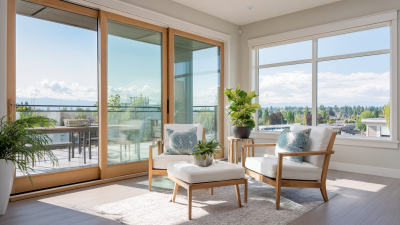
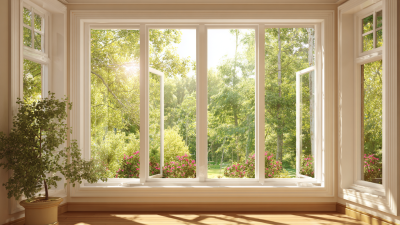
In contrast, windows are primarily designed for ventilation and light. They often come in various styles, such as casement, double-hung, or fixed, allowing for versatility in design depending on the aesthetics of the home. Windows provide fewer access options compared to sliding doors and are usually framed to suit specific architectural styles. While both sliding doors and windows can bring natural light into a home, the choice between them depends largely on the intended use of the space, desired aesthetics, and the overall design vision of the property.
Difference in Design: Sliding Doors vs. Windows
Functional Purposes of Sliding Doors and Windows in Homes
Sliding doors and windows serve distinct functional purposes in residential settings, enhancing not only aesthetics but also usability and energy efficiency. According to a report by the American Architectural Manufacturers Association, sliding doors can increase the amount of natural light in a space, making rooms feel more open and inviting. This feature is particularly beneficial for smaller homes where maximizing light can create an illusion of spaciousness.
In contrast, windows, especially when strategically placed, prioritize ventilation and natural airflow, thus playing a crucial role in maintaining indoor air quality.
When considering the installation of sliding doors or windows, homeowners should also contemplate energy efficiency. The U.S. Department of Energy highlights that high-performance sliding doors can reduce energy costs significantly when coupled with good insulation and proper sealing. This means that choosing the right sliding door with double or triple glazing can lead to a more sustainable living environment and lower utility bills.
Tip: When selecting sliding doors, look for models that have a good energy rating, as this can significantly impact both comfort and savings over time. Additionally, consider the orientation of your sliding doors – south-facing doors can optimize sunlight during winter months, while east-facing doors allow morning light, thus enhancing your home's natural brightness.
Energy Efficiency Comparisons: Sliding Doors and Windows
When considering energy efficiency, both sliding doors and windows offer unique advantages and challenges. Sliding doors typically feature larger glass areas, which can enhance natural light and create a feeling of spaciousness. However, this expansive design may also lead to increased heat loss during colder months and heat gain in warmer seasons, particularly if not properly insulated. It's essential for homeowners to select sliding doors with energy-efficient features like double or triple glazing to mitigate these losses and maintain comfortable indoor temperatures.
In contrast, windows can provide better energy efficiency when designed with appropriate framing and glazing technologies. Fixed windows, for instance, do not open and thus can be more airtight, minimizing the airflow and heat transfer. Additionally, modern window designs often incorporate Low-E (low emissivity) coatings, which help reflect radiant heat and improve insulation. By comparing thermal performance ratings, homeowners can make informed decisions about whether sliding doors or windows will ultimately contribute more effectively to energy savings in their living spaces.
Installation Considerations for Sliding Doors and Windows
When considering the installation of sliding doors and windows in your home, it's crucial to understand the specific requirements for each option. Sliding doors typically require ample wall space for the door panels to glide open and closed, which might limit placement in some rooms. This type of installation often involves a track system that must be securely mounted, requiring careful attention to level and alignment. Additionally, the door frame may need reinforcement to accommodate the weight of larger glass panels, ensuring both safety and functionality.
In contrast, sliding windows necessitate a different approach, primarily focused on the window frame and the surrounding structure. The installation process for windows usually demands careful measurements to guarantee a proper fit within existing openings. Insulation and sealing are critical to prevent air and water leaks, which can significantly impact energy efficiency. Moreover, the installation height is vital, as windows should be positioned to maximize natural light while maintaining privacy and security. Overall, understanding these installation considerations will help homeowners make informed decisions when choosing between sliding doors and windows.
Aesthetic Impact of Sliding Doors and Windows on Home Interiors
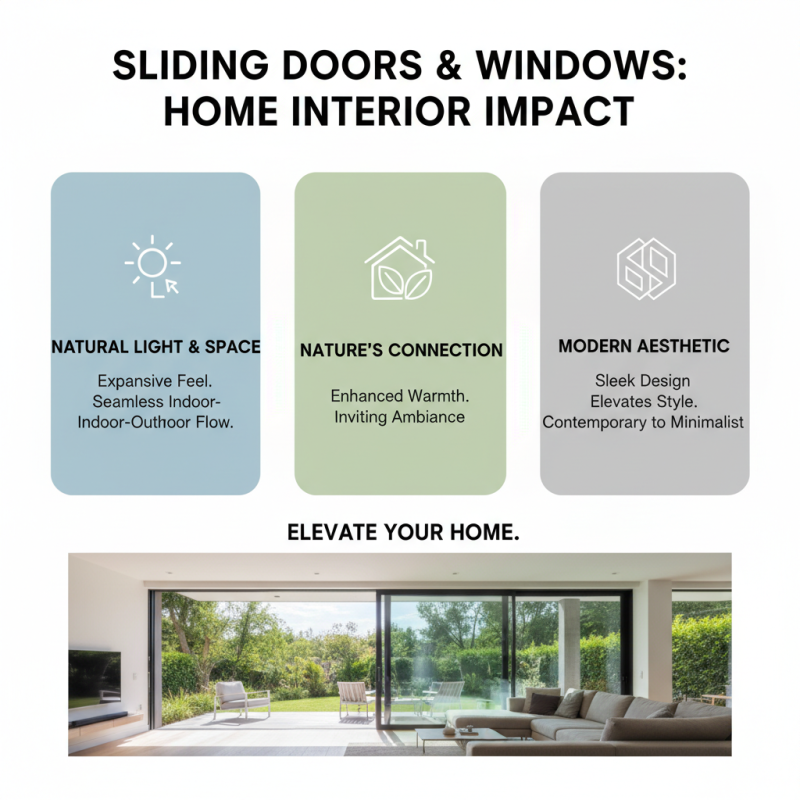
The aesthetic impact of sliding doors and windows on home interiors can be profound, influencing the overall mood and functionality of a space. Sliding doors offer a seamless transition between indoor and outdoor areas, creating an illusion of more space while flooding interiors with natural light. This connection to nature can enhance the warmth and livability of a home, making it feel more expansive and inviting. The sleek, modern appearance of sliding doors complements various design styles, from contemporary to minimalist, adding a touch of elegance and sophistication to living spaces.
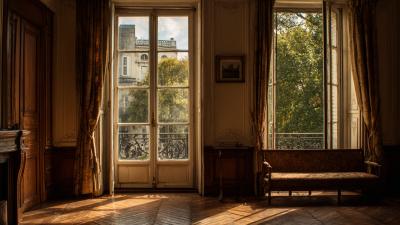
In contrast, traditional windows, while also vital in design, offer a different aesthetic appeal. They often serve as focal points in a room, framing views of the outdoors and providing opportunities for decorative treatments such as curtains or blinds. The variety of window designs available allows homeowners to express their personal style, whether through classic sash windows or large picture windows that emphasize sweeping vistas. Each window can contribute to the character of a room, serving not only as a functional element but as an integral aspect of interior design. Thus, both sliding doors and windows play significant roles in shaping the aesthetic experience of a home, each bringing unique advantages that cater to different preferences and lifestyles.