2026 How to Choose the Best Waterproof Awning for Your Needs?
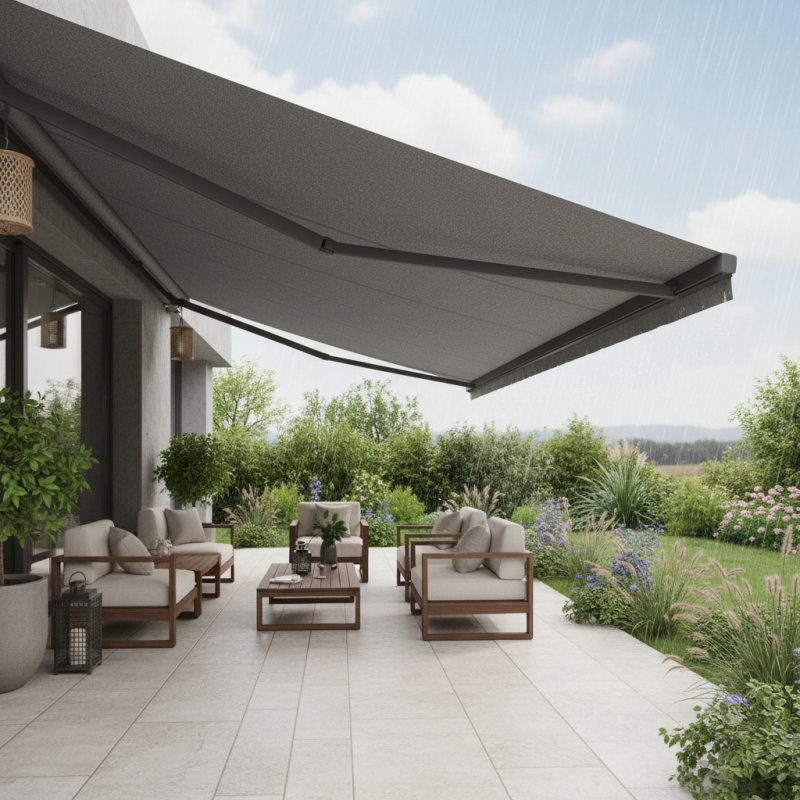
When choosing a Waterproof Awning, the options can feel overwhelming. Factors like size, material, and design require careful consideration. A well-selected waterproof awning enhances your outdoor space while providing necessary protection from unpredictable weather.
Understanding your specific needs is crucial. For instance, do you prioritize durability or aesthetic appeal? Not all waterproof awnings are created equal, and their effectiveness varies based on construction quality.
Consumer reviews can offer insight, but it’s wise to consult experts. They can help clarify the specifications that align with your personal requirements. Remember, a waterproof awning is not just a purchase; it’s an investment in your comfort and outdoor enjoyment. Reflecting on what matters most to you can lead to a more satisfying choice.
Understanding the Importance of Waterproof Awnings in Outdoor Spaces
Waterproof awnings play a crucial role in enhancing outdoor spaces. These structures provide shelter from rain and sun, creating a pleasant environment for relaxation and gatherings. As the market for outdoor living spaces expands, the importance of durable and weather-resistant materials grows. Recent studies indicate that over 70% of homeowners prioritize outdoor comfort, making waterproof awnings a popular choice.
Data shows that weather-related damage accounts for nearly 30% of property maintenance costs. Waterproof awnings can significantly reduce these expenses. They protect outdoor furniture and decor from moisture and UV rays, extending their life. Additionally, they help maintain temperature control, leading to energy savings indoors. This feature is especially crucial in regions with extreme weather conditions.
Not all waterproof awnings are created equal. The variety of materials can impact performance. Some options may not withstand heavy rainfall or strong winds. Therefore, choosing the right awning involves considering material quality and design. Homeowners should educate themselves on options available before making a final decision. This ensures they select a product that meets their specific needs while providing the desired protection.
Evaluating Your Specific Needs for a Waterproof Awning
When choosing a waterproof awning, it’s crucial to evaluate your specific needs. Begin by considering the purpose of the awning. Do you need shade for outdoor gatherings or protection for your vehicle? According to a 2022 report from the Outdoor Industry Association, 75% of consumers prioritize functionality over aesthetics when selecting outdoor solutions. This highlights the importance of understanding your individual requirements.
Also assess the size of your space. An oversized awning can overwhelm a small patio, while a too-small option may leave areas exposed. A recent survey by the American Society of Landscape Architects indicated that 60% of homeowners prefer customizable options to fit their unique environments. Customization allows you to address specific concerns such as wind resistance or UV protection.
Finally, consider durability. Materials significantly impact the lifespan and effectiveness of your awning. A study conducted by the International Shade Association showed that awnings made from high-quality fabrics could last over 10 years. However, not all materials perform equally in harsh weather conditions. Always remember, investing in a waterproof awning is about making a choice that suits your long-term needs and lifestyle.
2026 How to Choose the Best Waterproof Awning for Your Needs? - Evaluating Your Specific Needs for a Waterproof Awning
| Feature | Description | Recommendation |
| Material | The fabric's durability and water resistance level. | Look for materials like PVC or acrylic for superior waterproof quality. |
| Size | The dimensions required to cover your outdoor space. | Measure your space to determine the optimal size needed. |
| Installation Type | How the awning will be mounted (permanent vs. retractable). | Consider ease of use; retractable awnings provide flexibility. |
| Wind Resistance | How well the awning can withstand strong winds. | Choose awnings with a good wind rating for areas prone to gusts. |
| UV Protection | The ability of the fabric to block harmful UV rays. | Select fabrics with UV protective coatings for added safety. |
| Color Options | Variety of colors available to match your home decor. | Choose colors that complement your outdoor setting. |
Materials and Construction: Key Factors in Waterproof Awning Selection
Choosing the right waterproof awning involves understanding the materials and construction methods. Various fabrics serve distinct purposes. Polyester, for example, is often lightweight and affordable. However, it may not be the most durable option. Canvas is heavier and provides excellent protection but can be a challenge to maintain.
When it comes to construction, look for reinforced seams. This feature helps prevent water leaks, a common issue with less quality designs. Pay attention to the frame as well. Aluminum frames typically resist rust and corrosion, providing durability over time. Not all awnings can withstand extreme weather, so check the ratings.
Tips: Ensure your awning is UV resistant. This quality helps in prolonging its life. Regular maintenance is crucial. Clean the awning periodically to avoid mold or mildew buildup. Remember, the right choice depends on your specific needs and the environment where it will be used. These factors significantly influence the longevity and performance of your awning.
2026 Waterproof Awning Material Comparison
This chart compares the performance of different materials used in waterproof awnings based on their durability, UV protection, water resistance, and breathability. The data highlights the importance of choosing the right material for optimal protection and longevity.
Assessing Weather Resistance and Durability Features
When assessing weather resistance in waterproof awnings, material choice plays a crucial role. According to a report by the American Society for Testing and Materials (ASTM), fabrics should withstand extreme weather conditions. For instance, high-performance polyester often offers superior UV protection, reducing sun damage over time. Awnings made from this material can last up to 15 years, providing reliable coverage for outdoor spaces.
Durability features also contribute to an awning’s longevity. Reinforced seams and heavy-duty frames can increase an awning’s resistance to high winds and heavy rainfall. Research from the Outdoor Industry Association indicates that products adhering to strict quality standards lead to fewer customer complaints. Regular maintenance, such as cleaning debris and checking for wear, is often overlooked but essential for maximizing an awning's lifespan.
Understanding the limits of various products is equally important. No awning is completely impervious to the elements. Many users report issues after neglecting manufacturer care guidelines. It’s necessary to evaluate personal needs against possible limitations in manufacturing claims. A thorough analysis can guide choices, ensuring the best fit for varied weather conditions.
Comparing Costs and Long-term Value of Waterproof Awnings
When considering a waterproof awning, assessing costs and long-term value is crucial. Research indicates that homeowners can expect to spend anywhere from $1,500 to $5,000 on quality options, depending on size and materials. The market for outdoor awnings has seen a significant shift towards waterproof materials. A 2022 industry report revealed that waterproof awnings are favored by 68% of buyers for their durability and functionality.
Investing in a waterproof awning may seem steep initially, but this investment can lead to significant cost savings over time. Reports suggest that these awnings can reduce UV-related damage to outdoor furniture by up to 90%. This reduction can extend your furniture's life by several years, leading to fewer replacements. Additionally, waterproof options require less maintenance compared to traditional fabric awnings, which often need regular cleaning and potential replacement every few years.
Despite the benefits, it’s important to reflect on your specific needs. Some customers find that while waterproof awnings prevent water damage, they can also retain heat underneath. This effect may lead to uncomfortable conditions during warm days. Weighing these pros and cons is vital for making a well-informed purchase. Ultimately, understanding your environment and lifestyle will help you choose the right solution.