How to Choose the Best Residential Windows for Your Home?
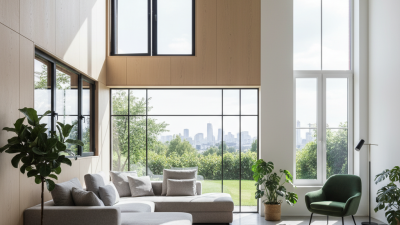
Choosing the best residential windows for your home can be a daunting task. With so many options available, it’s essential to make informed decisions. Sarah Thompson, a window installation expert with over fifteen years of experience, emphasizes, “Selecting the right windows can enhance energy efficiency and elevate the beauty of your home.” Her insight highlights the significance of this choice.
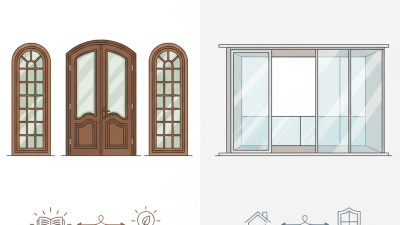
Residential windows come in various styles, materials, and energy ratings. Understanding these differences can be overwhelming. For example, wood windows provide aesthetic appeal but may require more maintenance. On the other hand, vinyl windows are durable and low-maintenance. It’s crucial to weigh the pros and cons of each material carefully. Every homeowner’s needs vary, making it essential to reflect on personal priorities.
Moreover, energy efficiency is a critical factor. Many homeowners overlook the importance of insulation and climate suitability. Upgrading to energy-efficient windows can reduce energy bills. However, the initial investment may feel burdensome. Reflecting on long-term savings can help guide this decision. Remember, the perfect fit for one home might not suit another.
Factors to Consider When Selecting Residential Windows
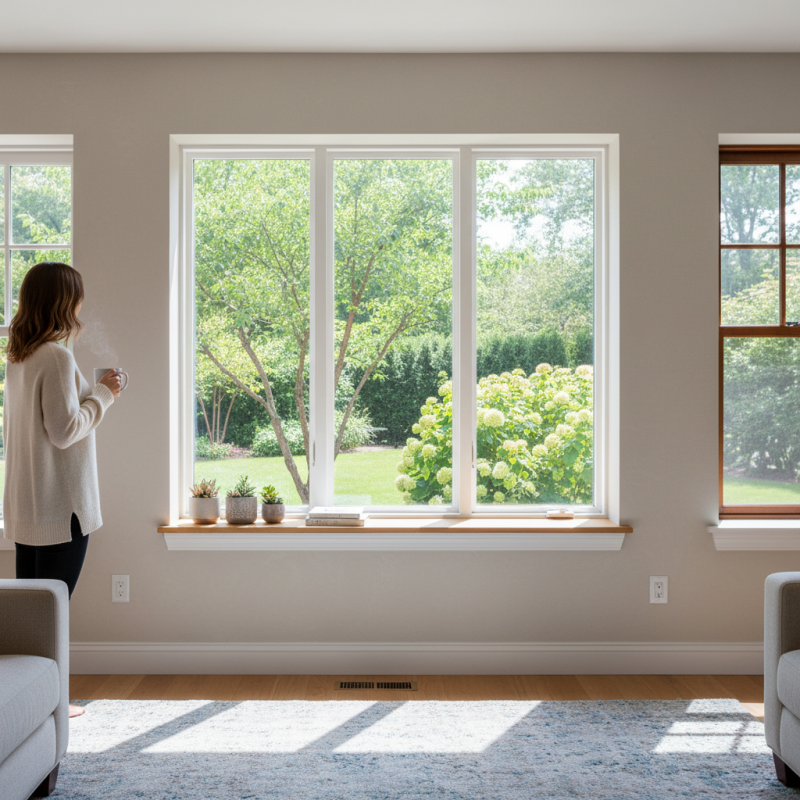
Choosing the right residential windows involves several crucial factors. Start with energy efficiency. Look for windows with good insulation and low U-values. They help maintain a stable indoor temperature, reducing energy bills. Consider the climate of your area. If your location experiences harsh winters or scorching summers, select materials that can withstand these conditions.
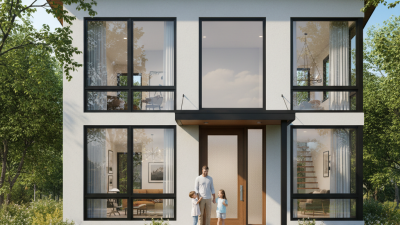
Next, think about aesthetics. Windows impact your home's curb appeal. Choose styles that match your home's architecture. Consider color and frame materials too. Each option offers different maintenance needs. Additionally, check the level of noise reduction. Soundproof windows can provide a quieter indoor environment, especially in busy neighborhoods.
Don't forget to factor in budget constraints. High-quality windows can be expensive, but investing now may save you more later. Reflect on the long-term benefits versus initial costs. Each window choice is important. Be prepared for compromises based on your priorities. This approach will help ensure you find the best fit for your home’s needs.
Types of Residential Windows and Their Benefits
When selecting windows for your home, it's essential to understand the various types available. One popular choice is double-hung windows. They feature two operable sashes that slide vertically. This design provides excellent ventilation and easy cleaning. Many homeowners appreciate the classic look, but they may require more maintenance than other styles.
Another great option is casement windows. These windows are hinged on one side and open outward. They offer unobstructed views and ample natural light. However, they can be challenging to clean, especially on higher floors. If security is a concern, casement windows tend to be more secure than many others.
Sliding windows are also worth considering. They glide open horizontally, making them easy to use. Ideal for rooms where space is tight, they can save on overall maintenance. However, they may not always provide the best insulation. Reflecting on the benefits and challenges of each type will help ensure you make an informed choice based on your needs and lifestyle.
Materials Used in Residential Windows: Pros and Cons
When selecting residential windows, understanding the materials is crucial. Each option comes with distinct advantages and drawbacks. For instance, vinyl windows are popular due to their affordability and energy efficiency. According to the U.S. Department of Energy, they can reduce energy costs by up to 30%. However, they can fade over time and may lack the aesthetic appeal of other materials.
Wood is often chosen for its natural beauty and excellent insulation properties. It can last for decades if properly maintained. Yet, wood windows require regular painting or staining. A 2021 study from the Window & Door Manufacturers Association highlighted that about 15% of homeowners regretted choosing wood due to maintenance issues.
On the flip side, aluminum frames are known for their strength and modern look. They offer durability but have poor insulation properties unless thermally broken.
Ultimately, the choice of window material reflects personal priorities. Some may prefer aesthetics over maintenance, while others prioritize energy efficiency. Researching each material's performance can aid in making a more informed decision. However, striking the perfect balance often requires compromise. Finding that balance can lead to more satisfaction and less regret in the long run.
Energy Efficiency and Window Performance Ratings
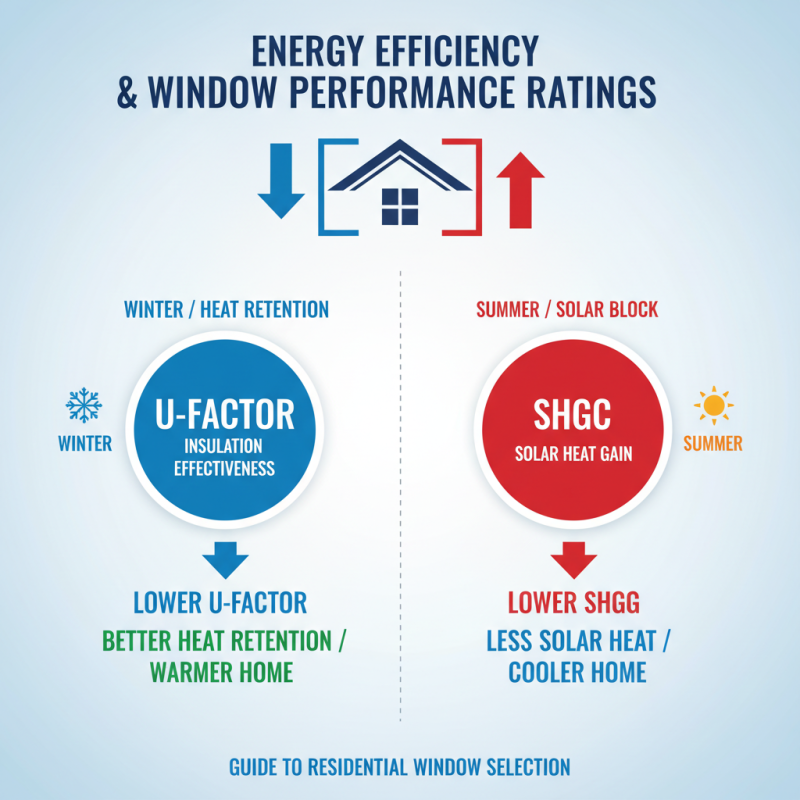
When selecting residential windows, energy efficiency is crucial. Understanding window performance ratings can guide your decisions. Look for the U-factor, which measures insulation effectiveness. A lower U-factor means better heat retention, keeping your home warm in winter. Conversely, the Solar Heat Gain Coefficient (SHGC) indicates how much solar heat enters. A lower SHGC is better for warm climates.
Pay attention to window labels. They often highlight energy ratings. For instance, windows certified by energy standards provide reliability. However, not all ratings are created equal. Some may not reflect real-world performance. Researching third-party evaluations helps ensure transparency and authenticity.
Installation also impacts energy efficiency. Poorly installed windows can lead to air leaks. This reduces overall insulation effectiveness. Even high-rated windows may underperform without proper installation. Regular maintenance is essential for long-lasting performance. While many windows promise superior efficiency, ongoing care is key to achieving the best results.
Installation Considerations for Residential Windows
When choosing residential windows, installation is key. Proper installation enhances performance and durability. A well-installed window reduces air leaks and improves energy efficiency. Poor installation can lead to significant issues, like drafts and moisture problems. Take time to research installation methods before making a choice.
Hire qualified professionals for the job. Their expertise ensures that windows fit properly into your home’s structure. They can advise on the best installation techniques for your specific type of windows. If you prefer a DIY approach, follow manufacturer guidelines carefully. Even minor mistakes can have lasting effects.
Consider the environment where you live. Certain climates may require unique installation techniques. For example, areas with heavy rainfall need special attention to sealing. Reflecting on local weather conditions can guide your decisions. Choose materials that offer durability against local elements. Ensure that every detail is thought through for the best outcome.
How to Choose the Best Residential Windows for Your Home? - Installation Considerations for Residential Windows
| Window Type |
Material |
Energy Efficiency |
Cost Range |
Maintenance Level |
Lifespan |
| Double-Hung |
Vinyl |
High |
$300 - $600 |
Low |
20 years |
| Casement |
Fiberglass |
Very High |
$400 - $800 |
Low |
30 years |
| Sliding |
Aluminum |
Moderate |
$300 - $700 |
Moderate |
15 years |
| Awning |
Vinyl |
High |
$350 - $750 |
Low |
25 years |
| Bay/Bow |
Wood |
High |
$800 - $1500 |
High |
20 years |