How to Choose the Best Residential Windows for Energy Efficiency and Style
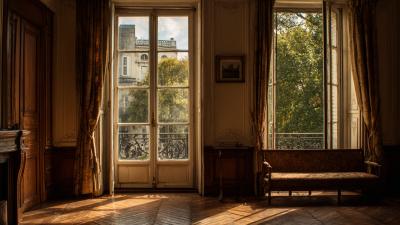
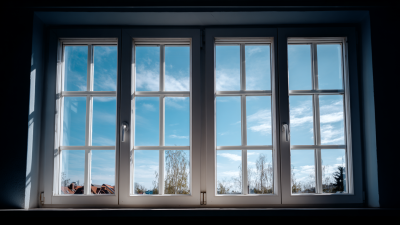
Choosing the best residential windows is a crucial decision that significantly impacts both energy efficiency and the aesthetic appeal of your home. With a vast array of options available in the market today, it can be overwhelming to find windows that not only meet performance standards but also enhance the overall style of your property. The right windows can transform your home into a comfortable, energy-efficient haven while adding value and charm to its exterior.
When selecting residential windows, it is essential to consider various factors including materials, insulation properties, and design styles. Energy-efficient windows are designed to reduce heat loss in the winter and keep your home cool during the summer, leading to lower utility bills and a reduced carbon footprint. Additionally, the aesthetic aspect should not be overlooked, as the right window design can greatly complement the architectural style of your home, making it more inviting and visually appealing.
In this guide, we will explore key elements to consider when choosing the best residential windows, helping you navigate through the plethora of choices available. By understanding the balance between energy efficiency and style, homeowners can make informed decisions that reflect their personal preference while contributing to a sustainable living environment.
Understanding Energy Efficiency Ratings for Residential Windows
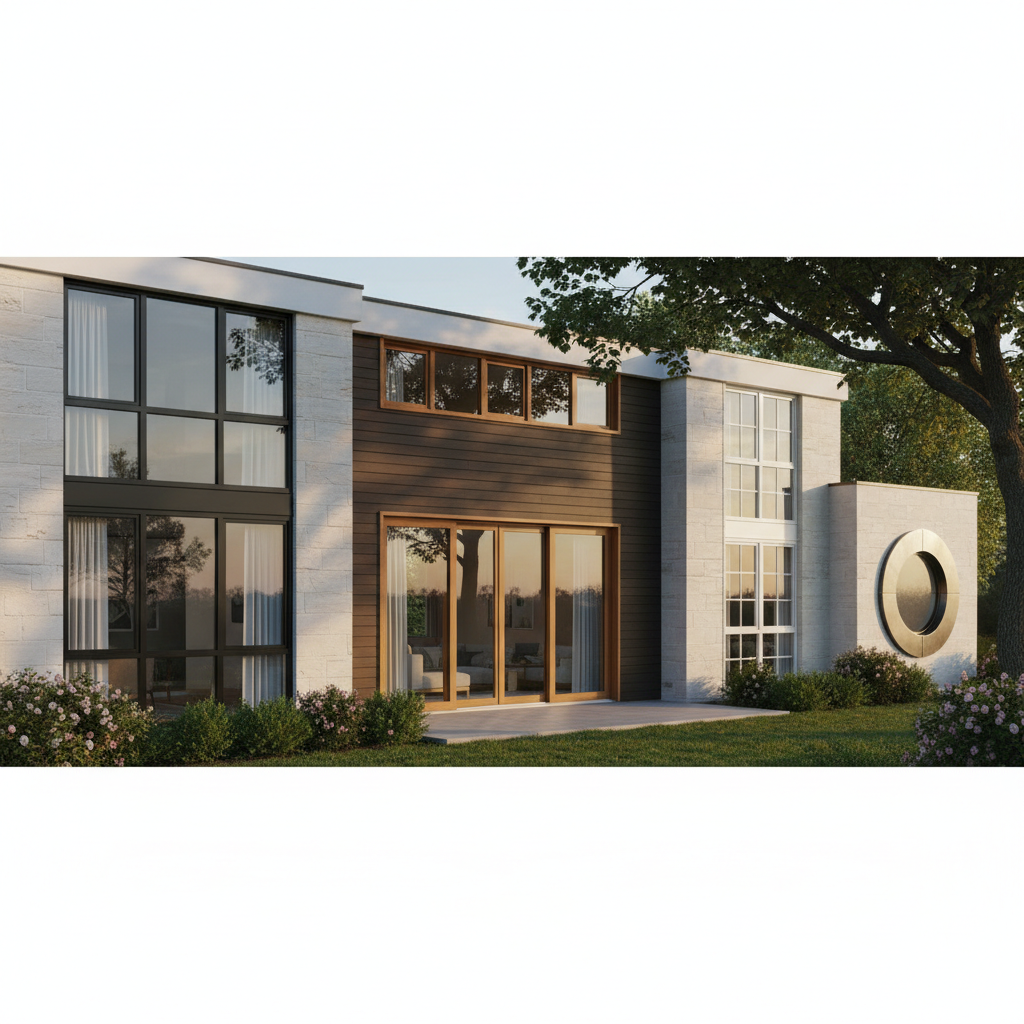
When selecting residential windows, understanding energy efficiency ratings is crucial for achieving both cost savings and environmental benefits. Windows are typically rated using the National Fenestration Rating Council (NFRC) standards, which provide essential metrics such as U-factor, Solar Heat Gain Coefficient (SHGC), and Visible Transmittance (VT). The U-factor measures how well a window insulates, while the SHGC indicates how much solar heat enters your home. High performance in these ratings can greatly reduce heating and cooling costs.
Tips: Look for windows with a low U-factor (ideally below 0.30) and a balanced SHGC that suits your climate. In colder climates, opt for windows that allow more solar heat to enter, while in warmer areas, choose windows with a lower SHGC to minimize heat gain. Additionally, consider the visible transmittance rating to ensure adequate natural light without sacrificing energy efficiency.
It's also important to consider the frame materials, as they contribute to insulation and durability. Vinyl and fiberglass frames generally offer better insulation than aluminum. When choosing windows, prioritize those with ENERGY STAR certification to ensure that they meet stringent energy efficiency standards. This certification can significantly impact your home's energy usage and aesthetic appeal.
Exploring Different Window Materials and Their Impact on Style
When selecting residential windows, the choice of material plays a significant role in both
energy efficiency and aesthetic appeal. Common materials include vinyl,
wood, aluminum, and fiberglass, each offering
unique benefits that can complement various architectural styles.
Vinyl windows, for instance, are renowned for their excellent insulation properties and low maintenance,
making them a practical choice for those prioritizing energy savings. Meanwhile, their sleek design can seamlessly blend with modern or
traditional home styles.
Wood windows, on the other hand, provide unmatched warmth and charm, appealing to homeowners
seeking a classic or rustic look. They offer natural insulation but require more maintenance to preserve their appearance and structural
integrity over time.
Aluminum windows, known for their durability and strength, best suit industrial or contemporary
designs, though they may not insulate as well as other options. Lastly, fiberglass windows combine
the best of both worlds, delivering energy efficiency alongside a wide range of aesthetic options, making them suitable for nearly any
home style. Careful consideration of these materials will ensure that homeowners achieve both style and functionality in their window selection.
The Role of Window Glazing in Maximizing Energy Savings
When selecting residential windows that maximize energy efficiency and aesthetic appeal, the type of glazing used plays a crucial role. Window glazing refers to the glass used in the window structure, and it significantly influences heat transfer, insulation, and overall energy performance. Different glazing options, such as single, double, or triple glazing, offer varying levels of thermal resistance. While single glazing is the least energy-efficient, double and triple glazing can greatly reduce energy loss by creating air pockets that insulate against outside temperatures.
Additionally, low-emissivity (Low-E) coatings can enhance energy efficiency by reflecting heat back into the home during winter and blocking unwanted solar heat during summer. This feature helps maintain a comfortable indoor climate while potentially reducing heating and cooling costs. Moreover, the choice of frame materials can complement the glazing options to create an energy-efficient window system that meets both functional and aesthetic needs. By focusing on glazing performance, homeowners can achieve an ideal balance of energy savings and stylish design in their living spaces.
How to Choose the Best Residential Windows for Energy Efficiency and Style - The Role of Window Glazing in Maximizing Energy Savings
| Window Type |
Glazing Type |
Energy Efficiency Rating (U-value) |
Solar Heat Gain Coefficient (SHGC) |
Aesthetic Appeal |
| Double Hung |
Low-E Double Glazing |
0.30 |
0.25 |
Classic Design |
| Casement |
Triple Glazing |
0.20 |
0.22 |
Modern Look |
| Slider |
Low-E Triple Glazing |
0.25 |
0.30 |
Sleek and Compact |
| Awning |
Double Glazing |
0.28 |
0.18 |
Charming Appearance |
| Picture Window |
Low-E Double Glazing |
0.30 |
0.24 |
Stunning Views |
Design Considerations for Enhancing Curb Appeal with Windows
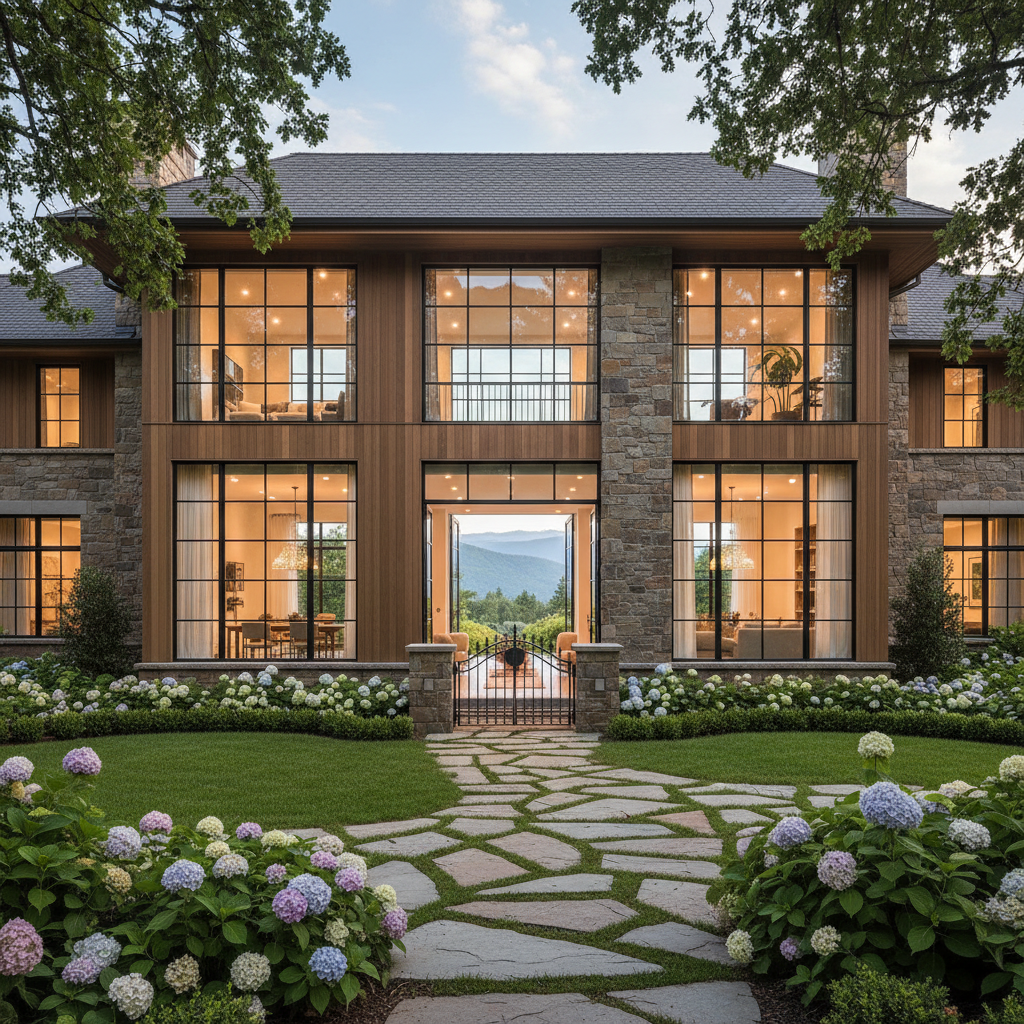
When selecting residential windows, enhancing curb appeal is as critical as energy efficiency. According to the American Institute of Architects, homeowners recognize that stylish windows can boost property values by up to 15%. Choosing the right window design can significantly improve the aesthetic impact of your home. For example, opting for larger windows allows natural light to flood the interiors, creating a welcoming atmosphere while beautifully framing outdoor views.
Tips: Consider using multi-pane windows, which not only contribute to a sleek design but also improve insulation, keeping energy costs down. Additionally, window styles such as casement or double-hung can complement traditional and contemporary homes alike.
Integration of color is another aspect that can elevate curb appeal. A recent study by the National Association of Home Builders reveals that homes with coordinated window trims and siding colors typically sell faster and at higher prices. Selecting window frames in colors that contrast with your exterior can make a bold statement, drawing the eye and enhancing the overall elegance of your property.
Tips: When in doubt, stick to a color palette that reflects the architectural style of your neighborhood. This approach not only boosts visual appeal but also ensures a harmonious look that can be tempting to prospective buyers.
Balancing Functionality and Aesthetics in Window Selection
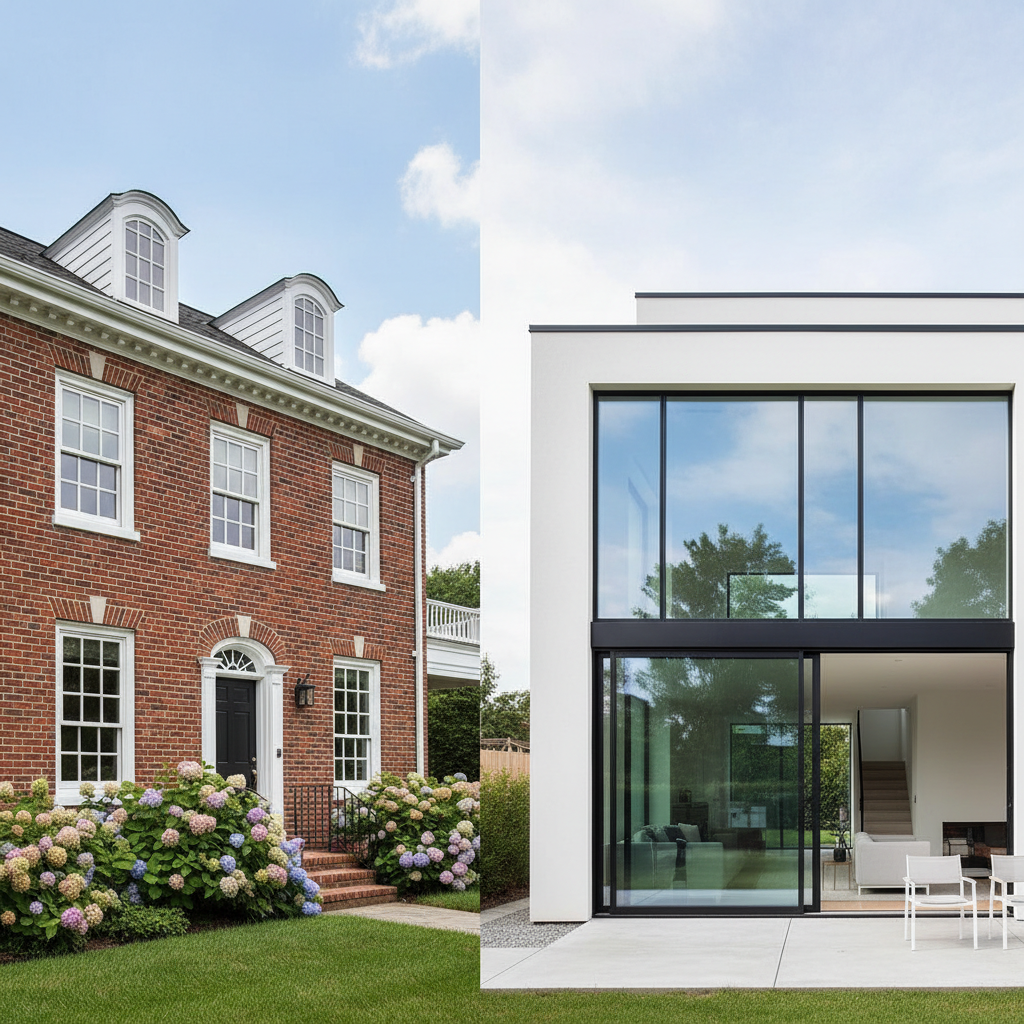
When selecting residential windows, it’s essential to strike a balance between functionality and aesthetics. Windows are not only vital for energy efficiency but also contribute significantly to the overall look of your home. Consider the architectural style of your property when choosing window designs; for instance, traditional homes often benefit from classic double-hung windows, while modern designs might call for sleek, minimalist frames.
Tips: Always look for designs that complement your home’s style while providing optimal insulation. Choose windows with low U-values to reduce heat transfer, but don't sacrifice your preferred aesthetic. Finishes and colors can enhance the exterior, making windows a focal point rather than an afterthought.
Another consideration is the type of glass used in your windows. Double or triple panes can enhance energy efficiency while reducing noise. Additionally, features like gas-filled spaces between panes can improve insulation further, ensuring that you remain comfortable regardless of external conditions.
Tips: Investigate Low-E coatings for your windows, which can help keep your home cool in summer and warm in winter. Balancing these functional aspects with stylish designs will ultimately create a cohesive and inviting atmosphere in your home.