2026 How to Choose the Best Residential Doors for Your Home?
Choosing the best residential doors for your home is a critical decision. Doors are more than just entry points; they enhance security, curb appeal, and energy efficiency. According to a report from the National Association of Home Builders, residential doors account for 15% of a home's exterior and contribute significantly to its overall aesthetics.
Industry expert John Anderson emphasizes, “The right residential doors can define a home’s character.” With countless options available, selecting the perfect door can be overwhelming. Styles, materials, and features vary widely. Homeowners often find it challenging to balance design with functionality. Their choices should align with both personal taste and practical needs.
Additionally, considerations like climate and local architectural trends play essential roles. Sometimes people overlook vital factors such as insulation and durability. This can lead to regret later. Ultimately, making informed decisions is key. Quality residential doors are an investment worth the time and research.

Factors to Consider When Selecting Residential Doors
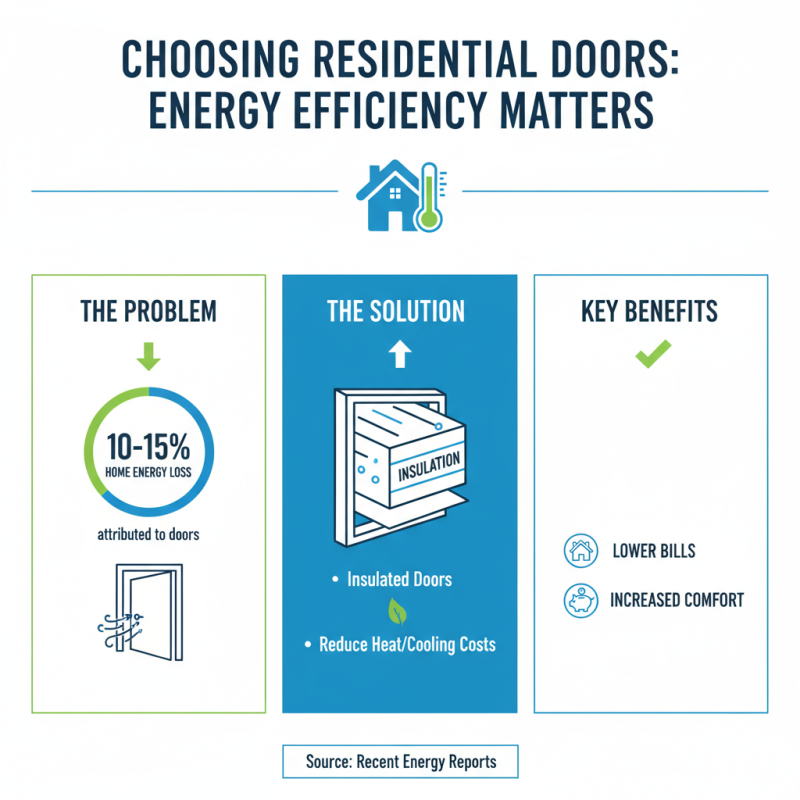
Choosing residential doors can be daunting. Several factors should influence your decision. A crucial element is energy efficiency. According to recent reports, doors account for 10-15% of a home's energy loss. Opting for insulated doors can significantly reduce heating and cooling costs.
Security is another major concern. The FBI reports that burglary happens every 26 seconds in the U.S. A solid core door with sturdy locks can enhance your home’s security. Look for doors with a high security rating. They should withstand forced entry.
**Tip:** Measure the rough opening carefully. An ill-fitting door can lead to drafts and security issues.
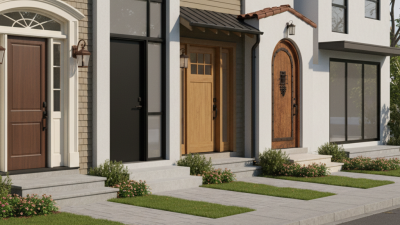
Aesthetics also play a role. The right door enhances curb appeal. However, don’t compromise on durability for looks. Weather-resistant materials often perform better over time.
**Tip:** Consider maintenance requirements. Some doors need more upkeep than others. Balancing beauty and functionality is essential.
Keep these factors in mind as you navigate your choices. Every detail matters when creating a safe and inviting home.
Types of Residential Doors and Their Benefits
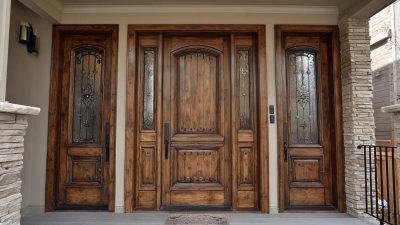
When selecting residential doors, consider the various types available. Each style offers unique benefits. For instance, a solid wood door brings warmth and natural beauty. It can enhance your home's curb appeal but may require more maintenance. Meanwhile, fiberglass doors mimic wood’s appearance while providing durability and energy efficiency.
A steel door is another option. It is known for its strength and security features. Steel doors resist dents and weather damage. However, they can be less visually appealing than wood or fiberglass. Think about style and practicality.
Tip: Measure your door frame precisely before purchasing. A well-fitting door improves insulation and security.
Another option is a sliding glass door. This design allows natural light into the home. It connects indoor and outdoor spaces seamlessly. Yet, keep in mind that these doors may offer less privacy and security compared to solid doors.
Finally, consider your climate. Your choice should reflect your environment. A door that performs well in one region may not suit another. Make sure to think through these details before making your final decision.
2026 How to Choose the Best Residential Doors for Your Home? - Types of Residential Doors and Their Benefits
| Type of Door |
Material |
Benefits |
Average Cost |
| Wooden Door |
Solid Wood |
Aesthetic appeal, natural insulation, durability |
$800 - $2,000 |
| Fiberglass Door |
Fiberglass |
Energy efficient, low maintenance, resistant to warping |
$400 - $1,500 |
| Steel Door |
Steel |
High security, energy efficient, durable |
$300 - $1,200 |
| Sliding Glass Door |
Glass & Aluminum |
Maximize natural light, aesthetic appeal, easy access |
$700 - $2,500 |
| French Door |
Wood or Vinyl |
Elegant design, great light, connectivity between spaces |
$600 - $3,000 |
Materials Used in Residential Door Construction
When choosing the best residential doors, materials play a crucial role. There are several types commonly used in construction, each offering unique benefits.
Wood doors provide a classic look and good insulation. However, they require regular maintenance to prevent warping or rot.
Steel doors are another popular choice. They are sturdy and resistant to damage. However, they can be prone to rust if not properly coated.
Fiberglass doors offer a strong alternative. They can mimic wood's appearance while being low-maintenance. But their initial cost can be high.
Tips: Consider your local climate when choosing a door material. If you live in a humid area, wood may not be the best choice.
Think about your home’s style too. The right door should enhance your home's appeal while meeting your security needs.
Important Security Features for Home Doors
When selecting residential doors, security features should be a top priority. A robust door can deter burglars. Look for doors made from solid wood or metal. These materials provide superior strength. Thicker doors usually enhance security. Consider doors with reinforced frames. They are harder to break into.
Lock mechanisms are crucial too. Deadbolt locks offer added protection. They are more secure than standard locks. Keyless entry systems can be convenient. However, they may also have vulnerabilities. Always think about the trade-offs.
Windows in the door can be beautiful but risky. Ensure they are made of tempered glass. This type is harder to break. Use blinds or shades to enhance privacy. Finally, regular maintenance of doors is needed. Check for wear and tear often. A little attention can make a big difference.
Energy Efficiency Considerations for Residential Doors
When choosing residential doors, energy efficiency is crucial. An efficient door can significantly affect your home's energy consumption. Look for doors with insulation features like foam cores. They help keep the cold air out and the warm air in.
Consider the material as well. Fiberglass and steel are generally better insulators. Wooden doors can require more maintenance and might have gaps over time. Weatherstripping is another small detail that can make a big difference. Properly sealed doors can prevent drafts and heat loss.
Think about the design and placement, too. A heavily shaded door may perform better in hot climates. However, you might need to reflect on how this choice impacts natural light indoors. Not all doors are created equal. Investing time to choose wisely can pay off in comfort and cost savings.