How to Choose the Best Exterior Doors for Your Home?
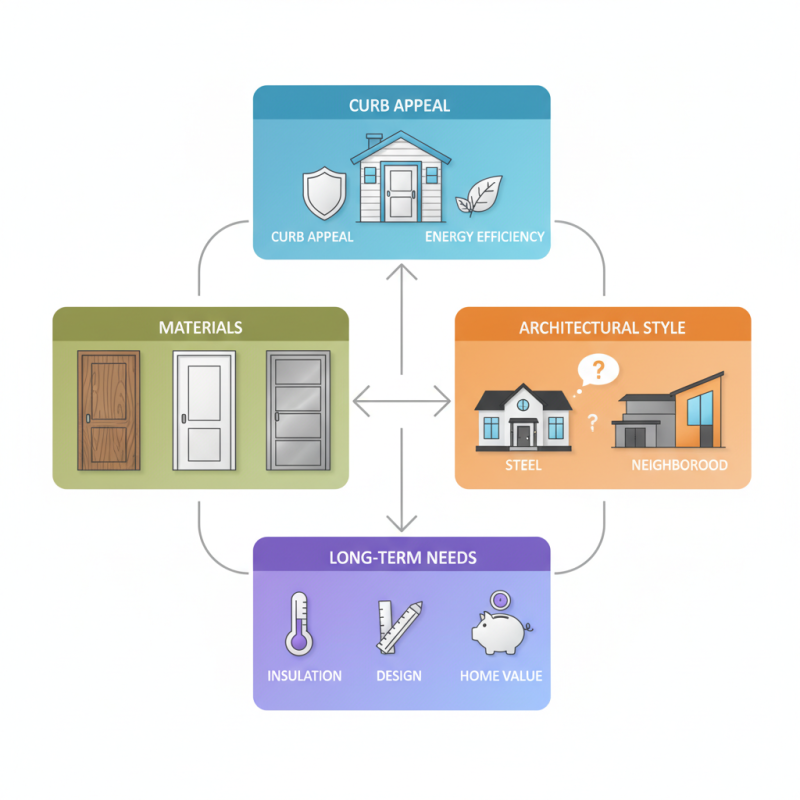
Choosing the right exterior doors for your home can be daunting. With numerous options, how do you make the best choice? According to Mike Duffy, a renowned expert in home improvement, "The right exterior doors can not only enhance your home’s curb appeal but also provide security and energy efficiency." His insight highlights the importance of selecting doors that meet both aesthetic and functional needs.
Exterior doors come in various styles, materials, and colors. You might consider fiberglass, wood, or steel doors. Each option has its benefits and drawbacks. For instance, while fiberglass can withstand harsh weather, it might not offer the classic look of solid wood. You may find yourself questioning which attribute matters most to you.
Choosing also involves considering your neighborhood and the architectural style of your house. A contemporary home may not suit a traditional wooden door. It’s essential to reflect on your long-term needs. Are you prioritizing insulation or design? Taking the time to weigh these factors can lead to a decision that complements your lifestyle and enhances your home’s value.
Factors to Consider When Choosing Exterior Doors for Your Home
Choosing exterior doors for your home involves multiple factors. First, consider the material. Options include wood, fiberglass, and steel. Each material has its pros and cons. Wood offers beauty but requires maintenance. Fiberglass is durable and weather-resistant, while steel provides security but may rust.
Think about energy efficiency too. Doors with good insulation help save on energy bills. Check for Energy Star ratings when shopping. The size and design of your door impact the overall look of your home. A large front door can make a statement. In contrast, a more subtle design might suit a cozy cottage.
Don't overlook security features. Look for features like multi-point locking systems. Safety is paramount for any home. Finally, factor in your budget. High-end doors are appealing but might stretch finances. Make sure to find a balance between aesthetics and affordability. Each choice will contribute to the long-term comfort and security of your home.
How to Choose the Best Exterior Doors for Your Home? - Factors to Consider When Choosing Exterior Doors for Your Home
| Material |
Energy Efficiency Rating |
Security Features |
Maintenance Level |
Aesthetic Appeal |
| Wood |
Moderate |
Standard locks; customizable |
High (requires regular sealing) |
Highly customizable and classic look |
| Fiberglass |
High |
Multi-point locks; durable |
Low (resistant to dents and corrosion) |
Available in many styles |
| Steel |
Very High |
High-security options available |
Medium (prone to rust) |
Sleek and modern appearance |
| Aluminum |
Moderate to High |
Standard security |
Low (durable and resistant) |
Contemporary look; minimal maintenance |
| Vinyl |
High |
Standard options available |
Very Low (easy to clean) |
Variety of colors and finishes |
Understanding Different Types of Exterior Doors: Materials and Styles
Choosing the right exterior door is important. There are a few common materials to consider: wood, steel, and fiberglass. Each material offers different benefits and challenges. Wood doors are beautiful and customizable but can warp or rot. Steel doors provide excellent security but may not have the same aesthetic appeal. Fiberglass doors are durable and energy-efficient, yet they can be more expensive.
Styles also play a crucial role in your decision. Traditional panel doors evoke classic elegance. Modern styles may incorporate glass for a sleek look. Some homeowners prefer rustic designs for a warm, welcoming feel. Consider how each style complements your home’s architecture. Look at your current decor too. It could be easy to overlook how mismatched styles can affect the overall look of your home.
Evaluate your lifestyle when making a choice. Do you have kids or pets? If so, durability should be a priority. Reflect on maintenance as well. Some materials require more upkeep than others. Remember, the right door should look great but also fit your needs. Balancing aesthetics, functionality, and personal taste is essential.
How to Choose the Best Exterior Doors for Your Home?
This chart illustrates the popularity of different exterior door materials based on recent survey data. Understanding these options can help you make an informed decision for your home.
Energy Efficiency Ratings for Exterior Doors: What You Need to Know
When selecting exterior doors, energy efficiency is crucial. Energy-efficient doors can significantly impact your home's heating and cooling costs. According to the U.S. Department of Energy, an exterior door can account for up to 25% of your home’s energy loss if not properly insulated. This highlights the importance of choosing doors with high energy efficiency ratings.
Look for doors with a National Fenestration Rating Council (NFRC) label. This label provides information about the door's thermal performance. A door with a low U-factor is desirable; typically, a U-factor below 0.30 is efficient. In addition, doors with Energy Star certification can reduce energy bills by 7-15%. Despite these standards, some homeowners overlook the importance of proper installation, which is vital for maximizing efficiency. Poor installation can lead to air leaks, canceling out the benefits of an energy-efficient door.
Consider the material of the door as well. Fiberglass and steel doors generally provide better insulation compared to wooden ones. However, wood doors often require more maintenance and may not perform as well long-term. It's worth reflecting on your choice, as a decision made for aesthetics could lead to unnecessary energy costs. Balancing style with function is key in making a responsible choice for your home.
Security Features in Exterior Doors: Enhancing Your Home's Protection
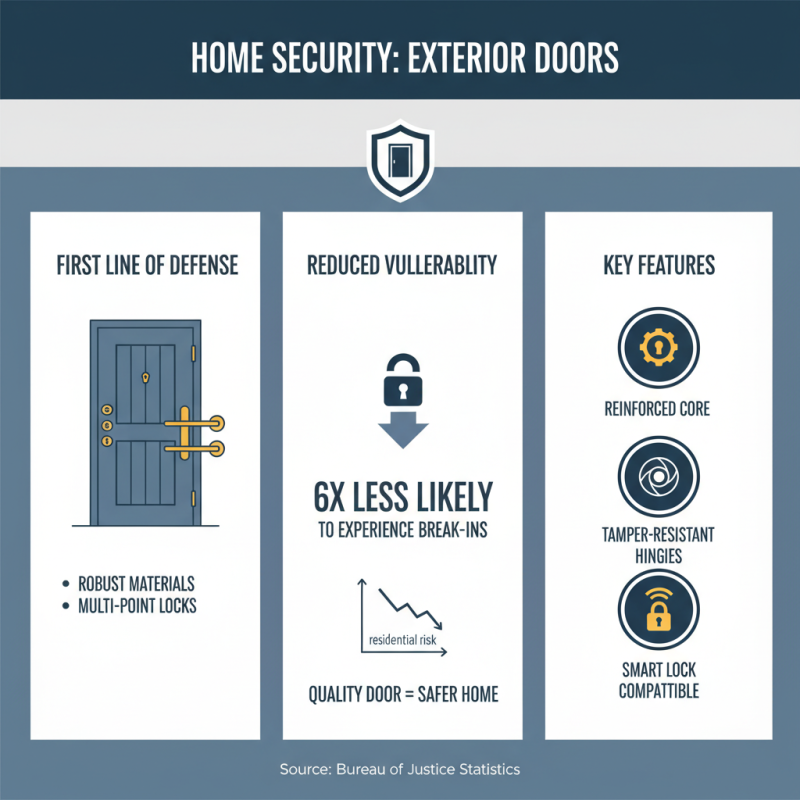
When choosing exterior doors, security features play a crucial role. A robust door can serve as the first line of defense for your home. According to a report by the Bureau of Justice Statistics, residential properties are at higher risk of break-ins. An exterior door with quality materials significantly reduces this vulnerability.
Look for solid wood or fiberglass doors. These materials offer strength that can withstand forceful entry. Steel doors are also an excellent choice. A door with a multi-point locking system can enhance protection further. These systems lock at multiple points, making it harder for intruders to breach. Ensure the door frame is made from durable materials. A weakened frame can compromise even the sturdiest door.
Tip: Always check for the latest security ratings. Consider doors that meet or exceed standards set by the American National Standards Institute (ANSI). Installing a peephole or a smart lock can add extra layers of security. Remember, even the best doors might fail if paired with weak locks. Evaluate your entire entry system holistically. Prioritize solutions that address your specific security needs, rather than opting for generic options.
Cost Analysis: Budgeting for Quality Exterior Doors and Installation
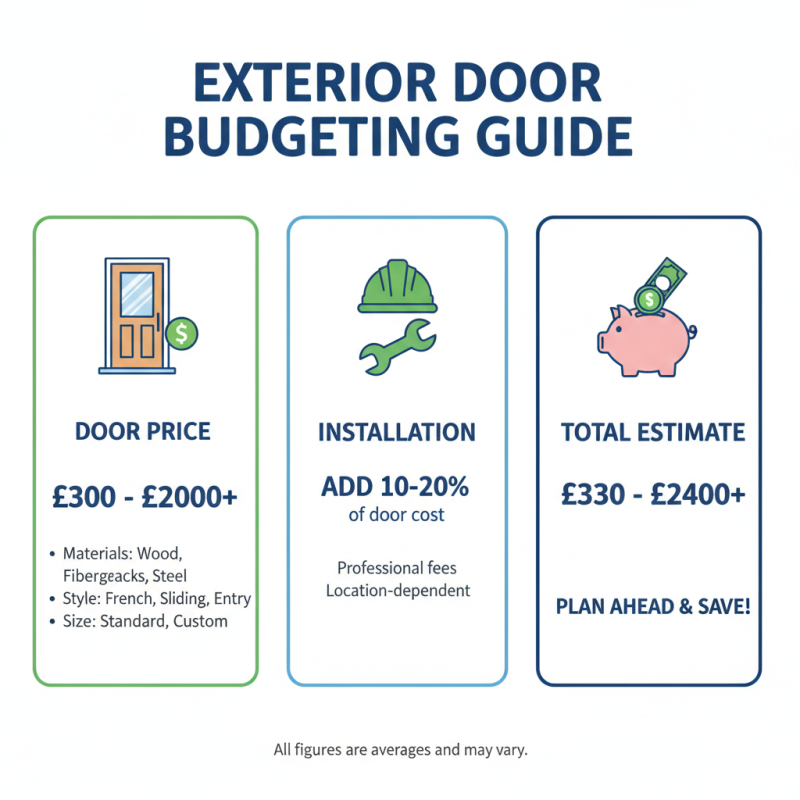
When planning to install exterior doors, budgeting is crucial. Quality doors can vary greatly in price. On average, expect to spend anywhere from a few hundred to a couple of thousand dollars. This range depends on materials, style, and size. Don't forget to include installation costs in your calculations. Hiring professionals may add around 10-20% to your total cost, depending on your location.
Consider your lifestyle needs. If you live in a harsh climate, investing in insulated doors might save money on heating or cooling. A cheap door may wear out quickly. Sometimes, it’s better to spend more upfront to avoid frequent replacements. Reflect on security features too. A good door with solid locks can prevent break-ins. However, it often comes with a higher price tag.
Don’t rush into a decision. Take time to explore options. Visit local showrooms or browse online for inspiration. Compare prices, but also consider the long-term value. In the end, the best door is one that fits both your budget and your home’s needs. Make informed choices for lasting satisfaction.