China Top Fireproof Insulation Suppliers for Global Buyers

Global buyers are paying closer attention to fire safety, thermal performance, and supply reliability. Fireproof Insulation now supports safer walls, roofs, façades, HVAC systems, and industrial equipment. The pressure is measurable. The United Nations Environment Programme’s 2023 Global Status Report for Buildings and Construction states that buildings consumed about 30% of global final energy in 2022. They also produced approximately 26% of global energy-related emissions. Better insulation can reduce energy loss, but fire performance cannot be treated as a secondary feature.

China has become an important manufacturing base for mineral wool, rock wool, glass wool, calcium silicate, ceramic fiber, and aerogel insulation products. However, “fireproof” is not a universal technical classification. A dependable supplier should provide test reports, production traceability, and clear temperature ratings. Buyers should compare EN 13501-1, ASTM E84, ASTM E119, and GB/T 8624 results carefully. These standards measure different properties. A product passing one test may not satisfy another project specification.

Industry reports from Grand View Research and MarketsandMarkets identify construction growth, industrial safety requirements, and energy-efficiency policies as major insulation market drivers. Their market boundaries differ, so published forecasts should be read cautiously. That is worth remembering. In practical sourcing, factory audits, batch samples, moisture checks, density verification, and packaging inspections often reveal more than a sales brochure. This guide examines China’s leading Fireproof Insulation suppliers through product quality, certification evidence, customization capability, export experience, and after-sales support. The evaluation is not perfect. Supplier data can change, and local project conditions still require independent engineering review.
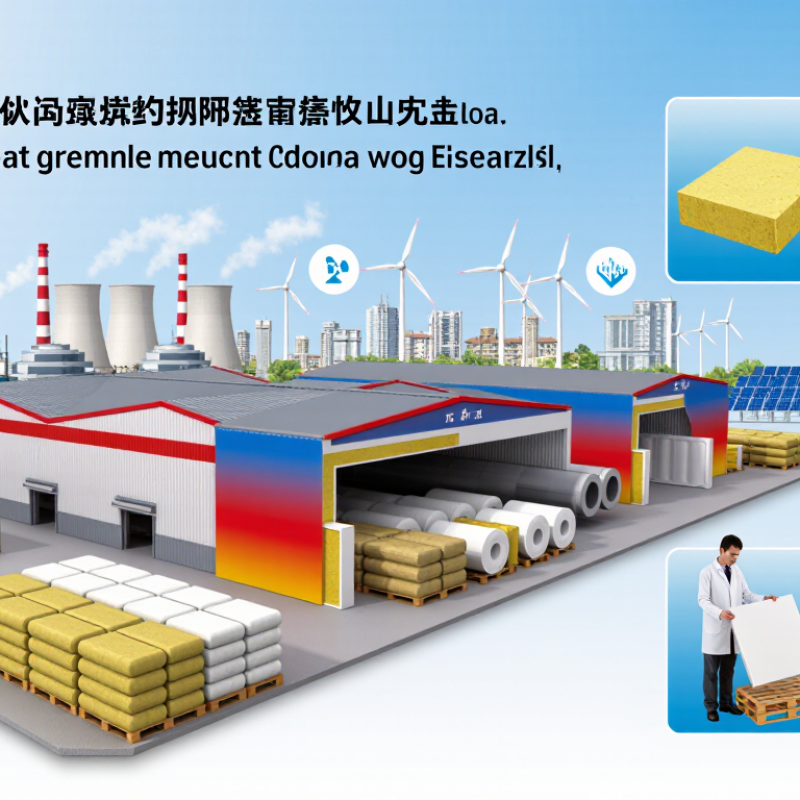
China Top Fireproof Insulation Suppliers for Global Buyers

Fireproof Insulation Materials: Classifications and Resistance Above 1,000°C

Fireproof insulation above 1,000°C requires more than a high temperature label. Ceramic fiber blankets, boards, and modules are lightweight options for furnace linings and kiln doors. They reduce heat loss and respond quickly to temperature changes. Calcium silicate boards provide stronger shape retention at lower temperatures. However, many grades are not suitable for continuous exposure above 1,000°C.

Refractory castables and dense firebricks handle intense heat, mechanical wear, and direct flame contact. Vermiculite boards offer low density and useful insulation, but they may shrink under severe heating. Microporous panels can limit heat transfer sharply. They need careful protection from moisture and site damage. Some products tolerate short peaks above 1,000°C, yet their continuous service rating may be lower. That difference matters.

Experienced buyers should request test reports, chemical composition, bulk density, thermal conductivity, shrinkage data, and working-temperature limits. Check the hot face, backup layer, joints, anchors, and installation method together. A 1,200°C material can fail early when moisture remains inside the lining. It can also crack after repeated cycling. Real projects are less tidy. Supplier claims should be compared with independent testing and the furnace’s actual atmosphere. Oxidizing, reducing, and corrosive gases can change performance. During inspection, look for edge erosion, gaps, fiber dust, and warped panels. The cheapest quotation is rarely the safest specification.

Key Performance Metrics: Thermal Conductivity Below 0.040 W/m·K

China Top Fireproof Insulation Suppliers for Global Buyers

For global buyers, thermal conductivity below 0.040 W/m·K is a practical screening benchmark. Lower conductivity can reduce heat transfer through walls, roofs, ducts, and industrial equipment. However, the reported value needs context. Ask whether testing used dry samples, controlled temperatures, and consistent thickness. A laboratory number may not match performance on a humid construction site.

Experienced suppliers should provide technical data, test reports, and clear production records. Look for stable density, accurate dimensions, low water absorption, and reliable fire resistance. Materials must retain their shape near joints and around penetrations. Small gaps can reduce the real insulation effect. They can also create weak points during a fire.

Site experience matters. Installers often notice problems that laboratory testing misses. For example, compressed edges may increase heat flow and complicate fitting. A supplier should explain storage, cutting, sealing, and installation limits. Independent testing adds credibility, especially when values fall below 0.040 W/m·K. Yet even certified data deserves review. Test methods differ, and older reports may not represent current production. This is easy to overlook. Buyers should compare samples, inspect packaging, and request batch-level quality records before approving large orders.

Fire Ratings and Tests: ASTM E84, EN 13501-1, and ISO 1182

For global buyers, fire performance begins with the test method, not a sales claim. ASTM E84 measures surface flame spread and smoke development in a controlled tunnel. It is useful for comparing insulation surfaces, but it does not represent every wall or roof assembly. Ask suppliers for the complete report, including specimen thickness, facing, orientation, and test date.

EN 13501-1 classifies reaction to fire from A1 to F. It can also record smoke production and flaming droplets. A product’s classification depends on its exact composition and installation condition. ISO 1182 examines non-combustibility inside a heated furnace. The test observes temperature changes, flames, and mass loss. It supports high-level material assessment, yet it cannot replace an assembly fire test. Small details matter.

Experienced purchasing teams check laboratory accreditation and report scope. They compare the tested product with the delivered product, including coatings, foil layers, adhesives, and density. A factory may provide excellent samples, while later batches vary slightly. That possibility deserves attention. Keep batch numbers and technical data together. Request conditioning details, language-clear certificates, and independent verification when projects carry serious risk. “Fireproof” is often too absolute. Fire resistance depends on design, workmanship, exposure, and local code requirements. A careful supplier explains these limits instead of promising effortless compliance. Insist on evidence.

Evaluating China Suppliers: Capacity, Quality Systems, and Lead Times

China’s top fireproof insulation suppliers should be evaluated beyond product brochures. Capacity is a practical question. Ask for monthly output, active production lines, shift patterns, and recent export volumes. A supplier may promise 5,000 panels monthly, yet produce much less during peak seasons. Request production records and inspect storage areas. Raw material buffers matter, especially for mineral wool, calcium silicate, or ceramic fiber products.

Quality systems need visible evidence. Review incoming-material checks, batch identification, dimensional inspections, and fire-resistance test reports. Confirm that testing matches your project standards and local building requirements. ISO 9001 certification can support reliability, but it does not replace factory verification. A sample may look excellent. The full batch can still vary. This is where many buyers become too confident.

Tips: Ask for a factory video call, then arrange an independent inspection before shipment. Compare sample results with mass-production records. Confirm packaging, moisture protection, and labeling details. Lead times should include production, testing, packing, and port handling. Many suppliers quote 15 to 30 days for standard orders, but customized sizes may add weeks. Put every milestone in writing. A small pilot order is safer than a large first shipment. It may cost more initially. That trade-off deserves honest review.

Global Buyer Checklist: Certifications, MOQ, Pricing, and Export Compliance

Global buyers should verify performance before comparing supplier prices. The IEA’s Buildings report states that buildings consume about 30% of global final energy. Better insulation can reduce operating demand, but only when installation matches the tested system. Request product-specific fire classification, thermal conductivity, density, water absorption, and service-temperature data. EN 13501-1 and ASTM E84 may apply in different markets, so a certificate alone is insufficient. Check the test standard, specimen thickness, assembly, laboratory, and validity date.

MOQ affects both pricing and project risk. Ask for the minimum quantity per thickness, facing, and packaging format. Obtain a quote with Incoterms, freight assumptions, pallet dimensions, payment terms, and replacement procedures. A low quote can still be expensive. The IEA and UNEP GlobalABC reports continue to identify energy efficiency as central to reducing building-sector emissions, increasing demand for reliable insulation performance. However, published market averages rarely reflect custom fire ratings or export packaging.

Export compliance needs a document trail. Request the technical datasheet, safety data sheet, certificate of origin, commercial invoice, packing list, and declared HS code. For chemical-based products, verify destination requirements such as REACH or equivalent rules. Confirm labeling, language, fumigation, and container limitations before production. ISO 9001 supports process control, but it does not prove fire performance. I would also inspect retained samples or arrange third-party testing. Some checklists miss this step. That weakness matters. Manufacturer declarations should match the shipped batch, not merely an older sample.

China Top Fireproof Insulation Suppliers for Global Buyers - Global Buyer Checklist: Certifications, MOQ, Pricing, and Export Compliance
Insulation Product Category Typical Density Thermal Conductivity
(λ, W/m·K)
Typical Fire Performance Relevant Product Standards Indicative MOQ Indicative Export Price
(USD/m³)
Core Export Documents and Compliance Global Buyer Verification Checklist
Stone Wool / Rock Mineral Wool Boards 60–180 kg/m³ 0.034–0.041 A1 or A2-s1,d0
Non-combustible grades are available; the final rating depends on facing, density, thickness, and tested assembly.
EN 13162
EN 13501-1
ASTM C612
ASTM E136 or equivalent non-combustibility testing
Usually 1 × 40-foot container or approximately 300–1,000 m³, depending on thickness and packing density. Approximately $80–$220 Commercial invoice, packing list, bill of lading, certificate of origin, product technical data sheet, SDS where applicable, fire-test report, and destination-market declaration or conformity documents.
  • Confirm density tolerance and thickness tolerance.
  • Request fire classification for the exact facing and thickness.
  • Check water-repellent treatment and dimensional stability.
  • Verify pallet dimensions and container loading plan.
Glass Wool Rolls and Boards 10–64 kg/m³ 0.032–0.044 A1 or A2-s1,d0
Unfaced mineral glass wool is generally highly fire resistant; kraft paper, foil, or other facings can change the classification.
EN 13162
EN 13501-1
ASTM C665
ASTM E84 for applicable surface-burning tests
Usually 1 × 40-foot container or approximately 500–2,000 m³, depending on compression packaging. Approximately $45–$150 Invoice, packing list, bill of lading, certificate of origin, product datasheet, SDS where required, fire-performance report, and packaging declaration for the destination country.
  • Check recovery thickness after unpacking.
  • Confirm roll length, width, and compression ratio.
  • Review binder, facing, and indoor-air-emission information.
  • Confirm whether the destination requires formal product marking.
Expanded Polystyrene (EPS) Boards 15–30 kg/m³ 0.032–0.040 Usually Euroclass E
Fire-retardant formulations and tested façade systems may achieve improved classifications; the board alone should not be assumed to be non-combustible.
EN 13163
EN 13501-1
ASTM C578
ASTM E84 for applicable assemblies
Approximately 500–1,500 m³ or 1–3 containers, depending on thickness, cutting format, and packaging. Approximately $35–$95 Invoice, packing list, bill of lading, certificate of origin, technical datasheet, SDS or chemical information where required, fire-test report, and applicable environmental or recycled-content declarations.
  • Confirm flame-retardant grade and fire test scope.
  • Check compressive strength at the specified deformation.
  • Verify dimensional stability and water absorption.
  • Check whether the destination restricts certain blowing agents or additives.
Extruded Polystyrene (XPS) Boards 28–45 kg/m³ 0.029–0.036 Usually Euroclass E
Fire performance varies by formulation, skin, facing, and installation system; XPS is combustible and must be assessed in the complete assembly.
EN 13164
EN 13501-1
ASTM C578
ASTM C518 for thermal conductivity testing
Approximately 300–900 m³ or 1–2 containers, depending on board size and thickness. Approximately $90–$190 Invoice, packing list, bill of lading, certificate of origin, technical datasheet, SDS where applicable, fire and thermal test reports, and destination-specific chemical or environmental declarations.
  • Check compressive strength and long-term creep performance.
  • Confirm water absorption and freeze-thaw suitability.
  • Verify edge profile, surface texture, and board flatness.
  • Request blowing-agent and regulatory information where required.
Polyurethane / Polyisocyanurate (PUR/PIR) Boards 30–45 kg/m³ 0.022–0.028 Commonly B-s1,d0 to E
Results depend strongly on core chemistry, foil or facing, joints, thickness, and the complete tested construction.
EN 13165
EN 13501-1
ASTM C1289
ASTM E84 for applicable assemblies
Approximately 200–600 m³ or 1–2 containers, depending on panel size and facing configuration. Approximately $140–$340 Invoice, packing list, bill of lading, certificate of origin, technical datasheet, SDS, fire-test report, thermal-aging data, and applicable chemical or construction-product declarations.
  • Check declared thermal conductivity and aged thermal performance.
  • Confirm foil facing type, adhesion, and vapor-control properties.
  • Review fire classification for the exact panel construction.
  • Verify storage, handling, and temperature limitations.
Phenolic Foam Boards 35–45 kg/m³ 0.020–0.025 Often B-s1,d0 or better in tested systems
The declared classification depends on the facing, thickness, joints, and installation configuration.
EN 13166
EN 13501-1
Applicable national building regulations and reaction-to-fire test methods
Approximately 150–500 m³ or 1 container, depending on dimensions and thickness. Approximately $180–$380 Invoice, packing list, bill of lading, certificate of origin, technical datasheet, SDS, fire classification report, thermal-performance report, and destination-market conformity documents.
  • Confirm dimensional stability and edge integrity.
  • Request smoke and flame-spread test details.
  • Check compatibility with adhesives, membranes, and coatings.
  • Verify whether the project requires a specific national approval.
Calcium Silicate Fire-Protection Boards 200–900 kg/m³ 0.050–0.120 Typically A1
Frequently used for passive fire protection, shaft walls, duct enclosures, and high-temperature applications; system testing remains essential.
EN 13501-1
EN 1363 and relevant fire-resistance test methods
ASTM E119 or equivalent project-specific testing
Approximately 100–400 m³ or 1 container, depending on board thickness and project requirements. Approximately $180–$550 Invoice, packing list, bill of lading, certificate of origin, technical datasheet, SDS where applicable, fire-resistance test report, installation manual, and project approval documentation.
  • Check fire-resistance duration for the complete tested system.
  • Confirm board density, moisture content, and machining tolerance.
  • Review screw, joint, sealant, and framing requirements.
  • Verify suitability for humid or exterior environments.
General Export Compliance Checklist Applies across product categories Fire classification must match the exact product, thickness, facing, and end-use assembly. Product standard, test method, destination building code, and required conformity route must be confirmed before purchase. Agree in writing before production: trial order, pallet quantity, container quantity, or annual contract volume. Compare like-for-like pricing on an agreed Incoterm, packaging basis, and currency.
  • Commercial invoice and packing list
  • Bill of lading or sea waybill
  • Certificate of origin, when required
  • Product datasheet and SDS, where applicable
  • Fire, thermal, mechanical, and dimensional test reports
  • Export customs declaration and correct HS classification
  • Destination-market conformity or declaration documents
  • Confirm Incoterm, payment terms, lead time, and claim procedure.
  • Check whether the quoted price includes packaging, testing, palletization, and documentation.
  • Require a pre-shipment inspection or independent laboratory verification for critical projects.
  • Ensure the importer of record understands local fire, chemical, labeling, and building-code requirements.
Important buyer note: Pricing and MOQ figures are indicative planning ranges only, not supplier quotations. Actual values vary according to raw-material costs, board thickness, density, facings, packaging, order volume, testing requirements, destination, Incoterm, exchange rates, and freight conditions. Fire classifications must always be verified against a valid report covering the exact product and installed system.