10 Best Residential Doors for Homes Worldwide?

Choosing among the 10 best residential doors for homes worldwide requires more than comparing attractive photographs. A front door faces rain, heat, dust, wind, insects, and daily use. It also shapes security, comfort, accessibility, and the first impression of a home. The strongest choice depends on local climate, wall construction, budget, maintenance habits, and available installation skills. A solid timber door may suit a protected entrance, while fiberglass or insulated steel can perform better in demanding weather.

Door and hardware educator Gary Katz has said, “A door is only as good as its installation.” That practical warning deserves attention. Even a premium door can leak air when its frame is poorly aligned. Hinges may loosen. Weather-stripping may compress unevenly. These small failures become obvious beside a cold hallway or a damp threshold. Our comparison therefore considers the complete system, including the slab, frame, hinges, locks, seals, glazing, and installation method.

The list will examine popular residential doors used across different regions, from classic wood designs to modern composite, steel, aluminum, and glass options. It will discuss appearance, thermal performance, durability, repair needs, security features, and value over time. No single door wins everywhere. That is the uncomfortable truth. A beautiful design can still be impractical in coastal air or extreme sunlight. Product ratings also vary by manufacturer and installer. Readers should verify local building requirements and obtain professional measurements before ordering. The goal is not to promote one universal answer, but to make a more informed, realistic decision.
10 Best Residential Doors for Homes Worldwide?

Residential Door Basics and Their Role in Home Design

Residential doors shape more than first impressions. They control movement, daylight, airflow, privacy, and thermal comfort. The U.S. Department of Energy reports that windows, skylights, and doors account for 25% to 30% of residential heating and cooling energy use. A poorly sealed door can create a cold strip near the floor. That detail affects comfort every day.

The best door depends on climate and room function. Insulated exterior doors suit cold regions, while ventilated screen doors support airflow in warmer areas. Glass panels can brighten a narrow hallway, but they may increase heat gain without suitable glazing. The International Energy Agency’s Buildings 2023 report states that buildings consume about 30% of global final energy. Door selection is a small design decision with wider consequences. Check the U-factor, weatherstripping, threshold, and solar-control properties before judging appearance. Numbers matter.

They also influence how a home feels. A wide, low-threshold entrance improves access for strollers, luggage, and many older residents. A pocket door can recover floor space in a compact bathroom. Sliding doors connect a living room with a garden, though their seals require careful installation. Experience shows that attractive doors often underperform when the frame is uneven. That is easy to miss. I would not treat any “best door” list as universal. Local rain, wind, dust, maintenance skills, and daily habits can change the answer. A durable timber door may feel warm and repairable, yet it needs more attention than a composite alternative.

Key Criteria for Comparing the World’s Best Residential Doors

Choosing among ten residential doors worldwide requires more than attractive photographs. Climate, construction methods, and daily routines change the result. A door that performs well in a dry mountain town may swell near a humid coast. Start with verified data: thermal transmittance, air leakage, water resistance, acoustic performance, and tested security ratings. Ask for certificates from recognized laboratories, not vague sales claims. Measure twice. Installation often decides whether laboratory performance survives real weather.

Material selection should match exposure and maintenance capacity. Engineered timber can provide warmth and stability when sealed correctly, while steel offers strength but needs protection against corrosion. Fiberglass may resist moisture and temperature changes, yet its frame and hardware still deserve inspection. Look for continuous weather seals, adjustable hinges, reliable multipoint locking, and low thresholds where accessibility matters. Check the glazing, too; weak glass can undermine an otherwise robust assembly. Details matter.

Compare lifecycle value, not only purchase price. Review warranty terms, repair access, replacement parts, cleaning instructions, and expected service intervals. Local building codes should guide fire separation, ventilation, and emergency egress decisions. Experienced installers can identify wall movement, poor drainage, or an uneven threshold before problems appear. I would also test the sample myself: close it repeatedly, listen for rattling, and inspect daylight around the seal. No ranking is permanent. A visually impressive door may disappoint after one wet winter, and expert advice can still miss a household’s habits. Good comparisons leave room for uncertainty.

Ten Leading Residential Door Types for Different Homes and Climates

Ten Leading Residential Door Types for Different Homes and Climates

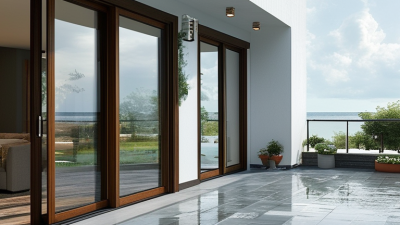
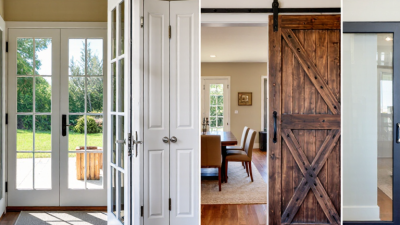
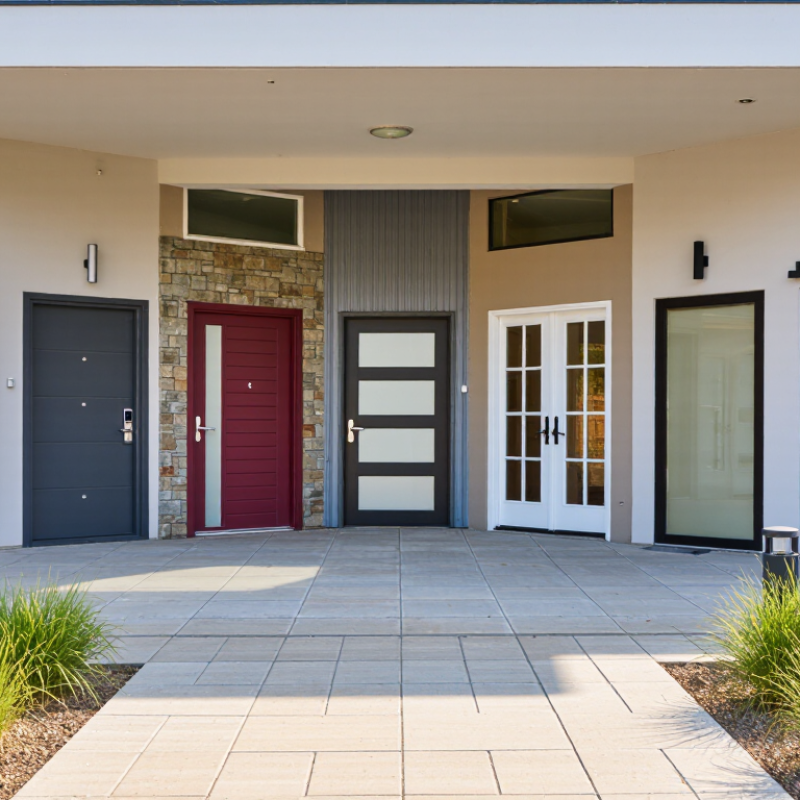
No door performs best in every climate. The right choice depends on rain, sunlight, security, ventilation, and maintenance. Solid-core exterior doors suit cold regions because they reduce drafts. Fiberglass doors resist moisture and usually need little upkeep. Steel doors offer strong security, though damaged coatings may rust. Insulated glass patio doors bring daylight into cooler homes. Sliding doors save space, but their tracks need frequent cleaning. French doors improve airflow and character. Dutch doors support controlled ventilation in mild climates. Louvered doors work well in hot, dry areas. Storm doors add another protective layer in windy regions. Impact-rated doors suit coastal homes facing severe storms.

The U.S. Department of Energy reports that windows account for about 25–30% of residential heating and cooling energy use. Poorly sealed glazed doors can create similar comfort problems. Look for low-emissivity glass, insulated frames, compression seals, and properly installed thresholds. The International Energy Agency notes that buildings consume roughly 30% of global final energy, according to its 2023 buildings analysis. Small envelope decisions matter.

Local weather data should guide the final selection. Coastal homeowners need corrosion-resistant hardware and tested water resistance. Cold-climate homes need low air leakage and insulated cores. Warm, humid homes need durable finishes and ventilation. A beautiful door can still perform badly when installed unevenly. That detail is often overlooked. Standards help, but workmanship remains difficult to measure. Check the product’s thermal, air, and water ratings before purchase, and ask an experienced installer to inspect the opening.

10 Best Residential Doors for Homes Worldwide? - Ten Leading Residential Door Types for Different Homes and Climates

No. Residential Door Type Best-Suited Climates Typical Materials Key Advantages Potential Limitations Energy & Weather Performance Best Home Styles Typical Maintenance
1 Insulated Fiberglass Door Cold, hot, humid, coastal, and mixed climates Fiberglass-reinforced skin, insulated core, composite or timber frame Resists moisture, corrosion, dents, and warping; can imitate painted or stained wood Severe impacts can damage the outer skin; lower-quality finishes may fade in strong sunlight High
Low-conductivity cores and perimeter seals can reduce heat transfer and drafts
Contemporary, traditional, suburban, and coastal homes Clean periodically; inspect weatherstripping and refinish painted surfaces when needed
2 Insulated Steel Door Cold, windy, and mixed climates; suitable for many dry regions Galvanized or coated steel skins with polyurethane or polystyrene insulation Strong, secure, dimensionally stable, and generally cost-effective Exposed scratches or cut edges can rust; steel conducts heat if insulation is inadequate High
Good insulation is available, but thermal bridging may occur through the steel shell
Modern, minimalist, utility, and traditional homes Keep the finish intact; repair chips promptly and check seals annually
3 Solid Hardwood Door Dry, temperate climates; protected entrances in humid areas Engineered or solid timber, often combined with protective coatings Natural appearance, strong acoustic performance, repairability, and design flexibility Can absorb moisture, swell, shrink, or warp when poorly sealed or exposed to driving rain Medium to High
Heavy timber provides useful insulation, but performance depends on thickness, glazing, and seals
Traditional, craftsman, heritage, farmhouse, and luxury homes Inspect for moisture damage; maintain paint or exterior-grade stain and renew seals
4 Engineered Wood Door Temperate, cold, and moderately humid climates Layered wood veneers, composite cores, and protective exterior finishes More dimensionally stable than many solid-wood constructions; consistent appearance and good insulation Water intrusion at exposed edges or failed finishes can cause delamination or swelling High
Layered construction and insulated cores support stable thermal performance
Contemporary, classic, Scandinavian, and transitional homes Keep surfaces sealed; check bottom edges, joints, and weatherstripping regularly
5 Aluminum-Clad Wood Door Wet, snowy, coastal, and high-sun climates Interior wood core with exterior aluminum cladding and insulated glazing where applicable Combines a warm interior appearance with improved resistance to rain, ultraviolet exposure, and insects Usually more expensive; damaged cladding and complex hardware may require specialist repair High
Thermally broken frames and insulated panels help limit heat transfer
Contemporary, premium, timber, and architect-designed homes Wash exterior surfaces; keep drainage paths clear and inspect joints and seals
6 Thermally Broken Aluminum Door Hot, sunny, humid, and coastal climates; also suitable for mild cold regions Powder-coated or anodized aluminum with a polyamide thermal barrier Lightweight, corrosion-resistant, slim-profile, and available in large glazed designs Standard aluminum conducts heat readily; performance depends heavily on the thermal break and glazing Medium to High
Thermal breaks, low-emissivity glazing, and airtight seals improve performance
Modern, industrial, minimalist, and Mediterranean homes Clean with mild soap; inspect coatings, drainage, rollers, and seals
7 uPVC Door Wet, humid, cold, and moderate climates Multi-chamber unplasticized PVC profiles, reinforced cores, insulated panels, and glazing Low maintenance, moisture resistance, corrosion resistance, and good air sealing Can expand with temperature changes; dark finishes may experience greater heat gain or movement High
Multi-chamber profiles and compression seals generally provide good thermal insulation
Contemporary, apartment, suburban, and coastal homes Wash surfaces; lubricate moving hardware and adjust seals as required
8 Glass Panel Door Warm, mild, and sunny climates; suitable for cold climates with high-performance glazing Tempered or laminated safety glass in timber, aluminum, steel, or composite frames Brings daylight indoors, creates visual openness, and supports indoor-outdoor living Potential privacy, glare, overheating, and security concerns if the glass and hardware are poorly specified Variable
Low-emissivity, double- or triple-glazed units perform much better than single glazing
Modern, coastal, courtyard, contemporary, and garden-facing homes Clean glass and tracks; inspect gaskets, drainage, hinges, and locking points
9 Sliding Patio Door Warm, mild, and mixed climates; high-performance models suit colder zones Glass panels with aluminum, uPVC, fiberglass, or timber frames Space-saving operation, wide openings, natural light, and convenient access to patios or gardens Tracks can collect dirt; large glass areas may increase solar heat gain and reduce privacy Medium to High
Performance depends on glazing, frame design, interlocks, and perimeter seals
Contemporary, accessible, open-plan, and garden-oriented homes Vacuum and clean tracks; lubricate rollers and check locks and weather seals
10 Storm-Resistant Exterior Door Hurricane-prone, cyclone-prone, high-wind, and driving-rain regions Reinforced fiberglass, steel, aluminum, impact-rated glazing, and heavy-duty frames Designed for increased resistance to wind pressure, windborne debris, rain penetration, and forced entry Typically heavier and more expensive; installation must match local building requirements High
Insulated cores and compression seals can provide strong weather performance when correctly installed
Coastal, tropical, contemporary, and storm-exposed homes Inspect anchors, hinges, locks, thresholds, and seals before severe-weather seasons
Performance varies according to construction quality, glazing, frame design, installation, orientation, local exposure, and applicable building standards. Always verify regional wind, fire, security, accessibility, and energy-code requirements.

How to Match Door Materials, Styles, and Security Features to Your Home

Choosing among the 10 best residential doors worldwide starts with your home’s exposure, not appearance. A coastal house needs corrosion-resistant aluminum, fiberglass, or treated hardwood. A mountain home benefits from insulated cores and weather seals. According to the U.S. Department of Energy, uncontrolled air leakage can significantly increase heating and cooling demand, so installation quality matters as much as the door material.

Security should match the actual risk. The FBI Crime Data Explorer recorded more than 847,000 burglary offenses in the United States during 2022. A solid-core door, protected hinges, a reinforced frame, and a properly installed multi-point lock create stronger resistance than a decorative panel alone. For tested performance, compare products against standards such as EN 1627 or ASTM impact and forced-entry requirements. Certification details deserve careful checking.

Style still matters. A narrow glazed door can brighten a dark hallway, but large glass areas need laminated or security-rated glazing. Sliding doors suit compact patios, while inward-opening doors may simplify emergency access in some layouts. Check local requirements first. Small gaps matter. A beautiful door can fail through poor fitting, weak screws, or an unprotected frame. I would not choose based on photographs alone. Touch the surface, inspect the threshold, and question the warranty exclusions. Reports guide decisions, but climate, family routines, and installer skill often change the final answer.

Installation, Maintenance, and Long-Term Performance Considerations

10 Best Residential Doors for Homes Worldwide?

Choosing among the ten best residential door types means more than comparing appearance. Installation determines much of a door’s future performance. The U.S. Department of Energy estimates air leakage can represent 5–30% of a home’s heating energy use. A poorly fitted door can waste energy through a narrow, invisible gap. Installers should check the rough opening, sill drainage, frame plumb, and threshold compression. A two-millimeter misalignment may become noticeable when the door scrapes after seasonal movement. This is easy to overlook.

Long-term performance also depends on measurable ratings. The National Fenestration Rating Council evaluates U-factor and solar heat gain coefficient, helping buyers compare thermal behavior across climates. The International Energy Conservation Code provides regional requirements, although local adoption varies. In coastal or high-wind areas, impact testing and water-resistance evidence deserve equal attention. Do not trust appearance alone.

Maintenance should be practical. Inspect weatherstripping, hinges, fasteners, and drainage paths every year. Clean thresholds before grit turns into abrasion. Recoat exposed timber when the finish begins to crack, not after swelling starts. Steel may resist impact well, yet damaged coatings can invite corrosion. Fiberglass usually moves less with humidity, but its seals still age. The Door and Hardware Institute promotes documented installation and hardware practices, but real homes remain imperfect. Even good advice needs checking against local weather, wall construction, and daily use.

How to Read This Comparison

Service-life figures are typical planning ranges represented by midpoint estimates for properly installed residential doors. Installation complexity and maintenance demand use a practical 1–5 scale, where 1 is low and 5 is high. Actual performance depends on climate, exposure, hardware quality, installation accuracy, and maintenance routines.