What is the Best Material for House Doors?
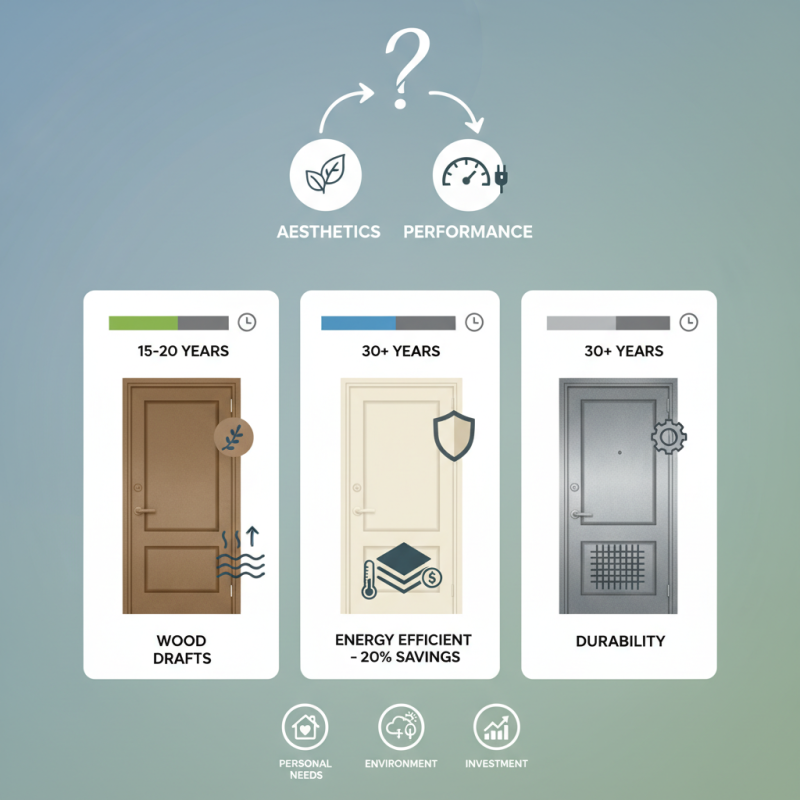
When choosing house doors, material is a critical factor. A recent study by the National Association of Home Builders reveals that over 60% of homeowners prioritize durability and energy efficiency in their choices. Doors made from fiberglass or steel often outlast wooden options. A fiberglass door can provide a lifespan of over 30 years, while traditional wood doors may only last 15 to 20 years.
Additionally, energy-efficient doors can reduce utility costs by up to 20%. Material choice affects not just longevity but also insulation. A well-insulated door can prevent drafts and improve comfort. Many homeowners overlook these aspects when selecting house doors, leading to costly replacements. Understanding materials is essential for long-term satisfaction.
Ultimately, while aesthetics matter, performance should guide decisions. Choosing the best material impacts both maintenance and efficiency. Reflecting on personal needs and the environment can lead to better choices. An informed decision can transform your home's entryway into a lasting investment.
Types of Materials Commonly Used for House Doors
Choosing the right material for house doors is crucial. Each material has its unique benefits and drawbacks.
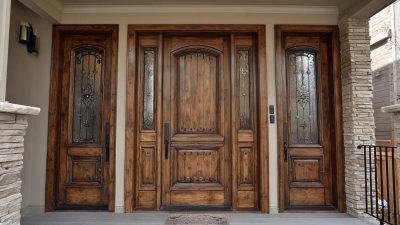
Wood is a classic choice, offering warmth and charm. However, it can warp or swell with changing humidity. Care is required to maintain its beauty.
Steel doors provide excellent security. They are durable and resistant to dents. But they might not offer the same aesthetic appeal as wood. Homeowners may find them less inviting. Fiberglass doors are a modern alternative. They mimic the look of wood but resist fading and cracking. Still, they can be more expensive upfront.
Other options include aluminum and composite materials. Aluminum is lightweight and resistant to rust, yet can be prone to dings. Composite doors blend materials for strength and insulation. But some may question their long-term durability. Choosing a door material involves trade-offs, and each option has its challenges. It's important to weigh these factors carefully before making a decision.
Benefits and Drawbacks of Wood Doors for Homes
When considering wood doors for homes, there are notable benefits and drawbacks. Wood doors bring warmth and character to any entrance. Studies show that wooden doors can improve a home’s aesthetic appeal by up to 50%. Their natural grains and textures make each door unique, appealing to many homeowners.
However, wood doors require regular maintenance. They can warp, crack, or swell with temperature changes. A report from the American Wood Council highlights that 30% of all wood doors may need replacement or repair within just five years. This can lead to unexpected costs for homeowners. Also, wood doors may not offer the same security level as steel or fiberglass options. They tend to be easier to breach without proper reinforcement.
While wooden doors present a classic charm, they also pose challenges. Homeowners must weigh the beauty against the practicalities of upkeep. The choice should be informed by personal preference and environmental considerations. Would the aesthetics weigh more than the potential maintenance hassles? Only a careful evaluation can lead to the best decision.
The Advantages of Steel Doors in Residential Properties
Steel doors are gaining popularity among homeowners for several reasons. They offer durability that can withstand various weather conditions. Unlike wood, steel does not warp or crack easily. This durability translates to long-term savings as they do not require frequent repairs or replacements.
Another significant advantage is security. Steel doors provide an excellent barrier against intruders. Their robust structure makes forced entry much more difficult. Homeowners can have peace of mind knowing that their entry points are fortified. Additionally, steel doors often come with advanced locking mechanisms for added safety.
While aesthetics can be a concern, modern designs offer a variety of styles. These doors can be painted or finished to match diverse home façades. However, some may find them heavier than traditional doors. This weight can complicate installation, requiring more effort than lighter materials. It’s worth reflecting on whether the benefits of steel outweigh these minor inconveniences.
Comparing Fiberglass and Vinyl Doors for Durability
When choosing between fiberglass and vinyl doors, durability is a key consideration. Fiberglass doors stand out due to their strong resistance to extreme weather. They can withstand heavy winds and harsh temperatures. These doors don’t warp or crack easily. On the other hand, vinyl doors are lightweight and resistant to rust. However, they can be more prone to fading over time. This can lead to less visual appeal, especially in sunny areas.
Fiberglass doors generally require less maintenance. They resist dents and scratches effectively. Yet, some homeowners find them a little heavier to handle. In contrast, vinyl doors may need to be replaced sooner due to wear and tear. This is a factor worth contemplating as replacements can add up over the years. Ultimately, the decision between these materials might depend on regional climate conditions or personal aesthetics. Balancing durability with other factors is essential. What works perfectly for one home may not be ideal for another.
What is the Best Material for House Doors? - Comparing Fiberglass and Vinyl Doors for Durability
| Criteria |
Fiberglass Doors |
Vinyl Doors |
| Durability |
Excellent - Resistant to dents, rust, and corrosion |
Good - Generally robust but can warp in extreme heat |
| Insulation |
Highly insulating with energy efficiency |
Moderate insulation properties |
| Maintenance |
Low maintenance - Easy to clean and doesn’t need repainting |
Low to moderate - May require cleaning and occasional painting |
| Cost |
Higher initial cost but longer lifespan |
Generally lower cost upfront |
| Aesthetic Options |
Available in various styles and finishes |
Limited styles but can mimic wood grain |
Factors to Consider When Choosing Door Material for Homes
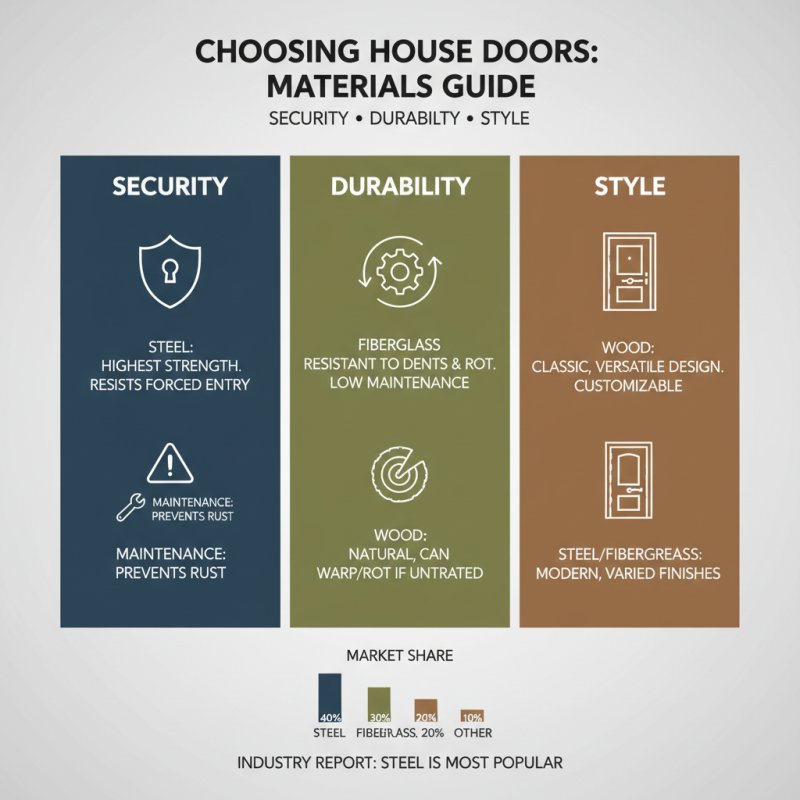
Choosing the right material for house doors involves careful consideration. Security, durability, and style are key factors. According to industry reports, steel doors are the most popular due to their strength. They provide excellent resistance against forced entry. However, they can be prone to rust if not properly maintained.
Wood doors offer natural beauty and warmth. They are widely available in various designs. Yet, wood requires regular upkeep to prevent warping and fading. Some homeowners prefer fiberglass doors. These doors mimic wood but are more resistant to weather changes. They don’t crack or split easily, making them a practical choice.
Energy efficiency is another aspect to consider. A study showed that insulated doors can reduce energy costs by up to 20%. A good seal is crucial for maintaining interior temperature. While aesthetics matter, it's essential not to overlook functional aspects. Every material choice has its trade-offs. One should weigh the benefits against potential drawbacks carefully, ensuring the best fit for their home.