What is the Best Doors for Security in Your Home?
Choosing the right doors for security is crucial in safeguarding your home. Recent studies indicate that homes without secure doors are three times more likely to be broken into. Expert Gary McCallister notes, "Fortifying your entry points can deter even the most persistent intruders." This emphasizes the significance of investing in high-quality doors for security.
Steel and fiberglass doors offer resistance to forced entry. They not only enhance safety but also improve energy efficiency. However, many homeowners overlook the importance of door frames and locks. Weak frames can compromise even the strongest doors. A door with a sturdy lock system is essential for overall security.
It’s essential to balance aesthetics and security. Sometimes, homeowners choose style over substance, potentially jeopardizing their safety. Reflecting on the choices made in securing homes can lead to better security solutions in the future. Ensure that every entry point is fortified with reliable doors for security.
Types of Doors that Enhance Home Security
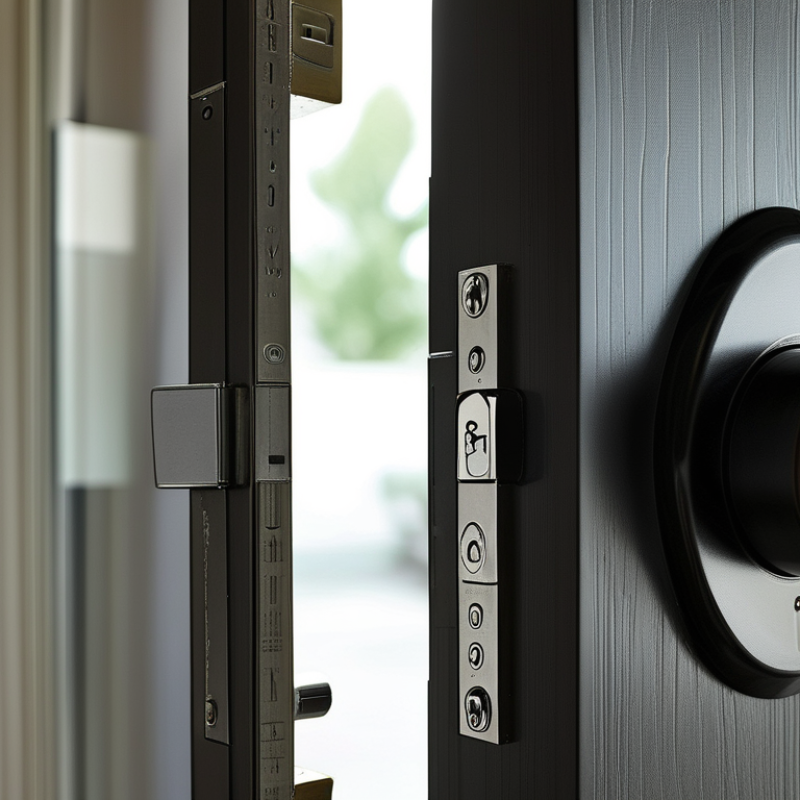
When it comes to enhancing home security, choosing the right doors is crucial. Entry doors made of solid wood or fiberglass can provide a strong barrier against intruders. They are less likely to warp, crack, or break compared to hollow-core doors. Reinforced steel doors are another solid option. They are tough and add an extra layer of protection.
A door without proper locks is like a gateway inviting trouble. Invest in high-quality deadbolts. They are harder to pick or break. Consider adding smart locks for added convenience. These locks can be controlled from your phone. Don’t forget about door frames. Reinforce them with steel plates to prevent kicking.
Tips: Always double-check the installation of your door and locks. A poorly installed door can be an easy target. Regularly inspect your doors for wear and tear. Look for gaps that can weaken security. Finally, consider installing a door viewer or peephole. This adds an extra layer of awareness before opening the door.
Materials for High-Security Doors: Pros and Cons
When considering high-security doors for your home, various materials offer distinct advantages and drawbacks. Steel doors are known for their durability and resistance to forced entry. Their solid build can deter most intruders effectively. However, they can be heavy, making installation more complex. Steel requires careful maintenance to prevent rust, especially in humid areas.
Fiberglass doors provide another good option. They mimic the appearance of wood while offering superior security. These doors resist warping and splitting, making them ideal for varying climates. Yet, some homeowners may find them less robust compared to steel doors. The initial cost can be higher, but they often require minimal upkeep.
Tips: Always assess the door frame's strength alongside your chosen material. A high-quality lock is crucial, regardless of the door type. Consider adding security features like deadbolts or smart locks for enhanced protection. Regularly inspect your doors for wear and tear. This simple action can ensure that your home remains secure over time.
What is the Best Doors for Security in Your Home? - Materials for High-Security Doors: Pros and Cons
| Material |
Pros |
Cons |
| Steel |
Highly durable, Resistant to forced entry, Fire-resistant |
Can be heavy, Susceptible to rust without treatment |
| Fiberglass |
Lightweight, Low maintenance, Excellent insulation properties |
Can be more expensive, Less sturdy than steel |
| Wood |
Aesthetic appeal, Good insulation, Can be fortified with metal |
Prone to warping, Requires regular maintenance, Can be easy to breach |
| Aluminum |
Lightweight, Corrosion-resistant, Easy to maintain |
Less strong than steel, Can be dented easily |
| Composite |
Strong and durable, Insulation benefits, Variety of designs |
Can be expensive, Quality varies widely |
Features to Look for in Secure Home Doors
When considering security doors for your home, several key features stand out. Durability is crucial; steel or solid wood doors offer the best protection. Thin doors can easily be breached. Reinforced frames can resist forced entry attempts. Look for doors with multiple locking points. Standard locks won't deter determined intruders.
Another vital aspect is the door's design. A door that appears strong is often a better deterrent. Consider models with minimal glass inserts. While glass can add beauty, it compromises security. Security screens or grilles can enhance visibility while protecting against break-ins.
Ventilation is also important. Doors should not only protect but also allow airflow. Use adjustable vents that maintain security. Regular maintenance matters too. Check for wear and tear annually. An overlooked door may become a weak point. Reflect on your current doors. Are they genuinely secure? Evaluate their performance consistently.
Best Door Features for Home Security
Installation Tips for Maximizing Door Security
When it comes to maximizing door security, proper installation is critical. The FBI reports that 61% of burglaries involve forcible entry through doors. This emphasizes the need for strong, secure installations. Begin with a solid core door, preferably made of metal or hardwood. Next, focus on quality hinges. Non-removable screws can greatly enhance strength. A heavy-duty strike plate further fortifies entry points.
According to a survey by the National Association of Home Builders, nearly 25% of homeowners overlook door frame reinforcement. This small detail can make a significant difference. Use door jammers for extra support; they are an affordable option. Many builders recommend positioning security cameras near entrances. Visibility can deter potential intruders.
Don't forget about locks. Deadbolts are vital, but consider smart locks for upgraded security. Statistics show that homes with smart locks see a 30% decrease in break-ins. Regularly check your door hardware. Even minor wear can compromise security. Engaging a professional installer's help can enhance overall effectiveness. Balancing all these factors is crucial to a secure home.
Maintenance Practices to Ensure Long-lasting Security Doors
When considering security doors, maintenance practices play a crucial role.
Regular inspections can identify wear and tear before they become significant issues.
Check hinges and locks for rust or damage. Ensuring that these components function properly can prevent break-ins.
Cleaning security doors is also important.
Dirt and grime can accumulate, affecting their appearance and functionality.
A simple wash with mild soap and water can preserve their finish.
Use a soft cloth to avoid scratching the surface.
Sealing gaps is another key aspect of maintenance.
Ensure that seals around the doorframe are intact. Weatherstripping can prevent drafts and keep your home secure.
If you notice any cracks, consider applying fresh caulk.
These proactive measures can help maintain the longevity and effectiveness of security doors.